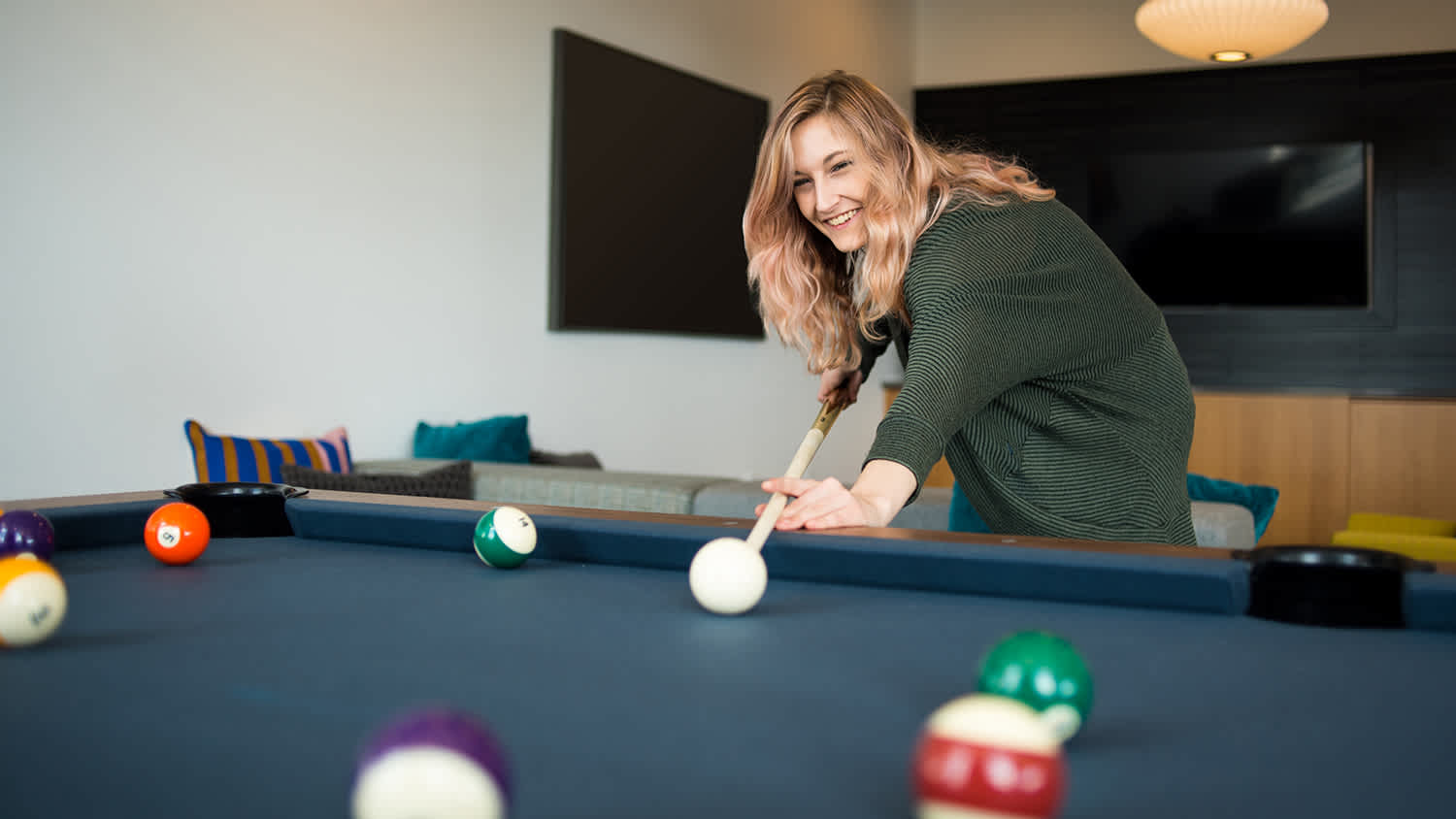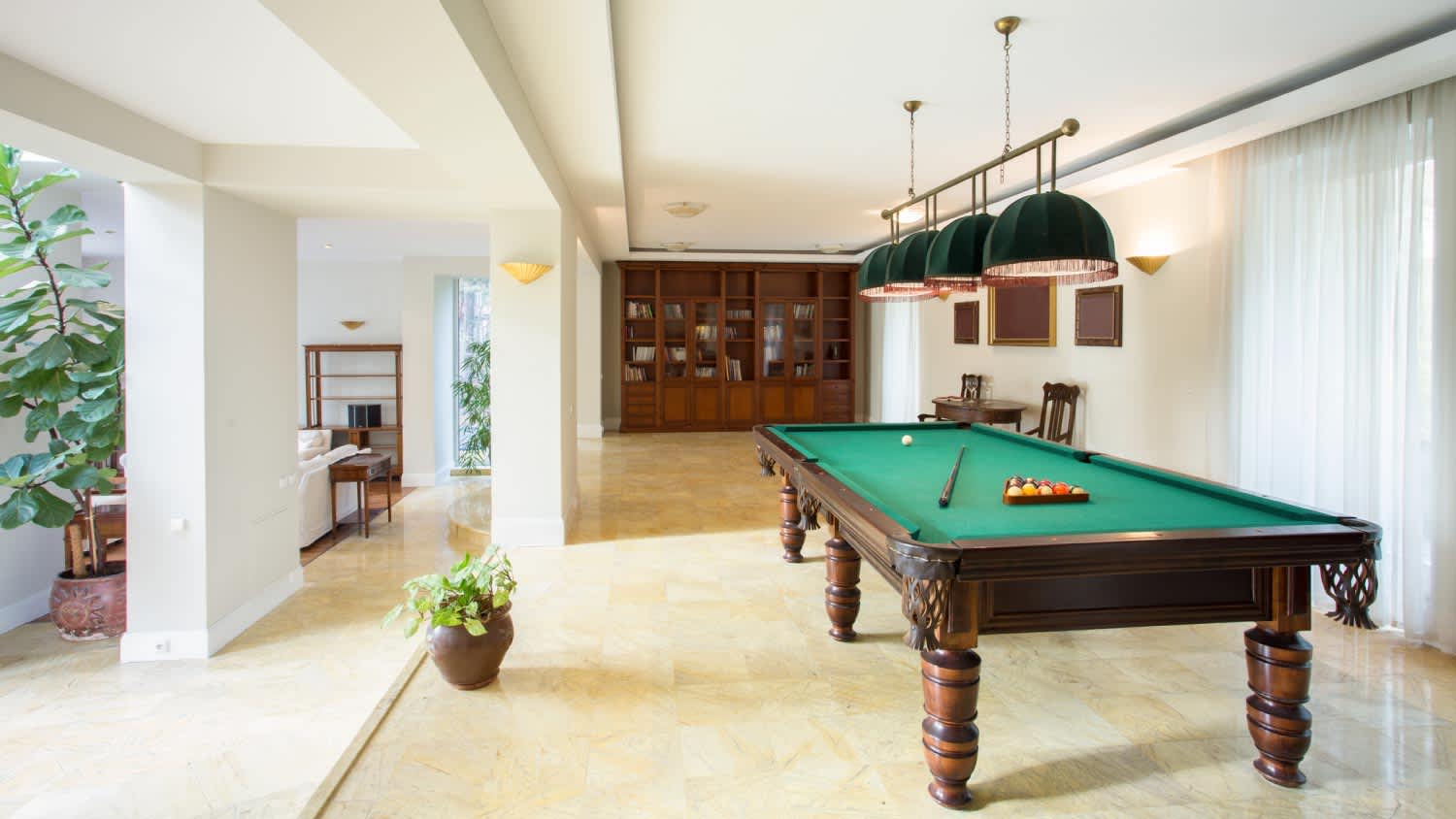





Top-rated pool table assembly pros.

Get matched with top pool table assembly pros in Nashville, IN

Enter your zip and get matched with up to 5 pros

Need a pro for your pool table assembly project in Nashville, IN?

Select your specific project to find the pro for you.

TRUSTED BY NASHVILLE, IN HOMEOWNERS

  • Average homeowner rating star icon4.5
    Average homeowner rating
  • Verified reviews icon438
    Verified pool table assembly services reviews

Find Pool table assembly pros in Nashville

Avatar for Witsman's Home Improvement
Witsman's Home Improvement
4.8(
2
)
Handyman for Multiple Small Projects

Serving Nashville, IN and surrounding areas

Approved

In business since 2018

Free estimates

Emergency services offered

Witsmans Home Improvement should be your top choice when it comes to all of your electrical needs. We specialize all aspects. including new construction and panel upgrades. We provide all of our customers with a strong combination of excellent customer service and top quality products! Let us accommodate your needs with our qualified staff. When you are looking for the best, don't settle for less!! Call on Wink Electric when you want the job done right the first time, every time!

Recommended by100%of homeowners
...
Showing 1-10 of 138
Pool Table Assembly questions, answered by experts

You should wait at least six hours after adding baking soda before swimming in your pool. Even better, wait at least 24 hours to ensure it’s fully mixed in and dissolved. While it’s likely not harmful, if you get in the pool too early, the baking soda may irritate your skin or eyes if you’re sensitive to it.

When you’re winterizing your pool, you need to drain some of the water to prevent cracking and warping from ice. Nonetheless, you should never drain all of the water. Ideally, you’ll lower the water level to anywhere from four to six inches below the skimmer. This will protect the structural integrity of the walls, help prevent your pool liner from warping, and reduce damage from debris.

Pool leaks most commonly occur at joints or where different materials meet. The most frequent leak spots include:

  • The Pool Skimmer: Where the plastic skimmer meets the pool's liner or shell.

  • The Pool Liner: Tears can develop in vinyl liners, especially those between 5 and 20 years old. Leaks also occur around the liner's edge.

  • Fittings and Accessories: Areas around return lines, the main drain, and pool lights are common culprits.

  • Pool Equipment: The pump, filter, and filter housing can also leak.

While leaks in underground pipes are less common, they can be costly to fix. It's usually best to check the more common spots before investigating the plumbing system.

There are many factors to consider when building an in-ground concrete pool. This includes the pool’s primary purpose (relaxation or exercise) if you live in a warm or cold climate (how often it’ll be used), and if you have the budget for chemical treatments and pool maintenance. In-ground pools are often more costly than aboveground pools, but they’re considered more luxurious and hold more value.

The number of gallons in your pool will determine how much chlorine you’ll need to add to your pool for the first time. Chlorine levels should fall between 1 and 3 ppm. It's crucial to read the instructions on your chlorine packet to determine the number of tablets to put in the water based on your pool's capacity.

The Nashville, IN homeowners’ guide to pool table assembly services

From average costs to expert advice, get all the answers you need to get your job done.