


Top-rated radon detection and reduction specialists.

Get matched with top radon detection and reduction specialists in Greendale, IN

Enter your zip and get matched with up to 5 pros

Need a pro for your radon detection and reduction project in Greendale, IN?

Select your specific project to find the pro for you.

Find Radon detection and reduction specialists in Greendale

Avatar for The Ohio Home Inspections Co
The Ohio Home Inspections Co
4.0(
7
)
Radon Gas - AbatementRadon Gas - Testing

Serving Greendale, IN and surrounding areas

In business since 2003

Free estimates

Credit card accepted

"Kevin was very thorough, easy to work with, and provided an excellent report. He also continues to send monthly newsletters at no additional charge that have very helpful tips and information about home maintenance."
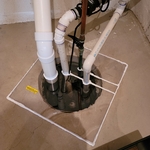
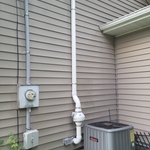
Additional Photos
Additional Photos
Recommended by71%of homeowners
Radon Detection and Reduction questions, answered by experts

Installing a mitigation system reduces radon levels, which can cause lung cancer, providing peace of mind and long-term health benefits. It can also increase your home’s value, as many buyers prefer properties with radon safety measures in place. The investment is relatively low compared to the potential health risks associated with prolonged radon exposure.

If high radon levels are detected, steps include sealing entry points, installing a mitigation system, and retesting the air regularly to ensure reduced levels.

Radon enters your home when warm air begins to rise and exits through the roof, creating a vacuum that pulls cooler air from under the foundation. Part of that air is radon, which is an invisible, odorless gas that develops naturally when radioactive particles are deep within the ground. Those particles usually come from decaying matter in soil and rocks.

The average radon mitigation system uses about 876 kWh of electricity per year, although the exact amount of electricity used will vary depending on the size of the radon fan. Once the system is installed, the annual increase to your energy bill could range from $30 to $300 per year, again depending on the size of the fan.

The lifespan of a radon mitigation system depends on the type of system and its maintenance. With proper care, a system can last for many decades. Passive systems tend to last longer as they have fewer components that require replacement. Active systems, which have more moving parts like fans, generally have a shorter lifespan. For instance, water filtration devices and active pressurization systems require more frequent maintenance. While the system as a whole is durable, the radon fan in an active system typically has a lifespan of 5 to 10 years and will need to be replaced. As long as the fan is working, the mitigation system should function correctly.

The Greendale, IN homeowners’ guide to radon detection and reduction services

From average costs to expert advice, get all the answers you need to get your job done.