



Top-rated paving pros.

Get matched with top paving pros in Geneva, IN

Enter your zip and get matched with up to 5 pros

Need a pro for your paving service project in Geneva, IN?

Select your specific project to find the pro for you.

Find Paving pros in Geneva

Avatar for Black sheep asphalt and seal coat
Black sheep asphalt and seal coat
New to Angi
Asphalt Paving - InstallAsphalt Paving - Repair or PatchGravel or Loose Fill Paving - Install, Spread or Scrape

Serving Geneva, IN and surrounding areas

Approved

Free estimates

Small jobs welcome

Credit card accepted

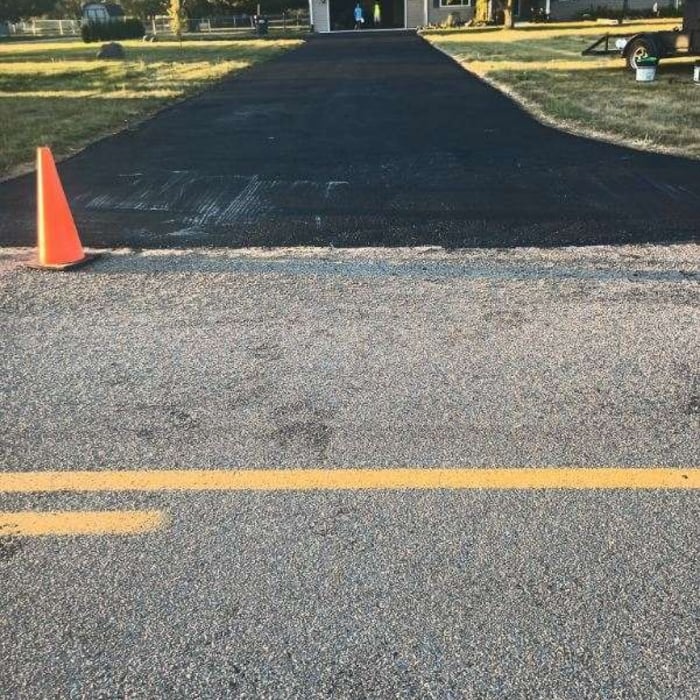
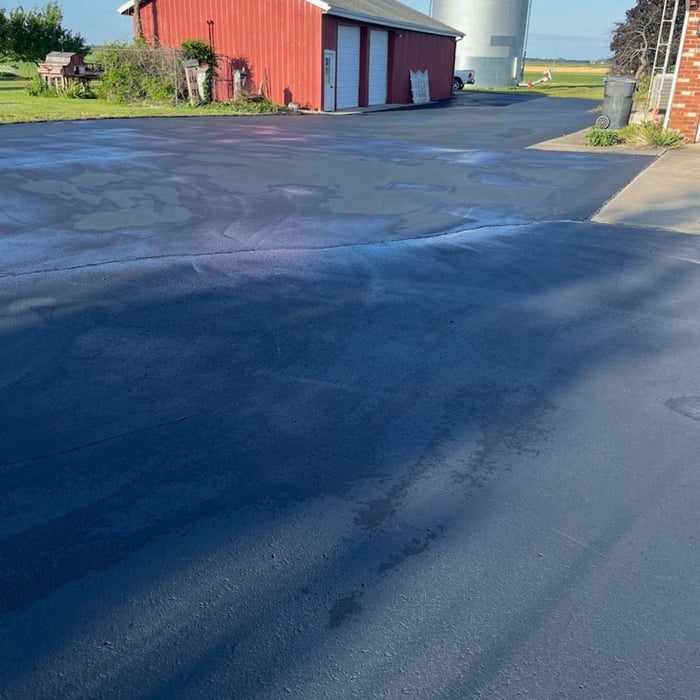
We are a small family owned company. With the ability to handle large scale jobs if needed. We offer a wide range of asphalt services like pot hole filling, crack repair, seal coat and line striping. Licensed and insured and the best cost to quality in the area.

2 neighbors recently requested a quote
Showing 1-10 of 44
Paving Services questions, answered by experts

Yes, you can put thin pavers over a concrete driveway. However, it's always best to talk to a driveway installer before starting. You'll need to ensure that the concrete below is in good enough shape to hold the pavers and that the driveway will still meet local building codes.
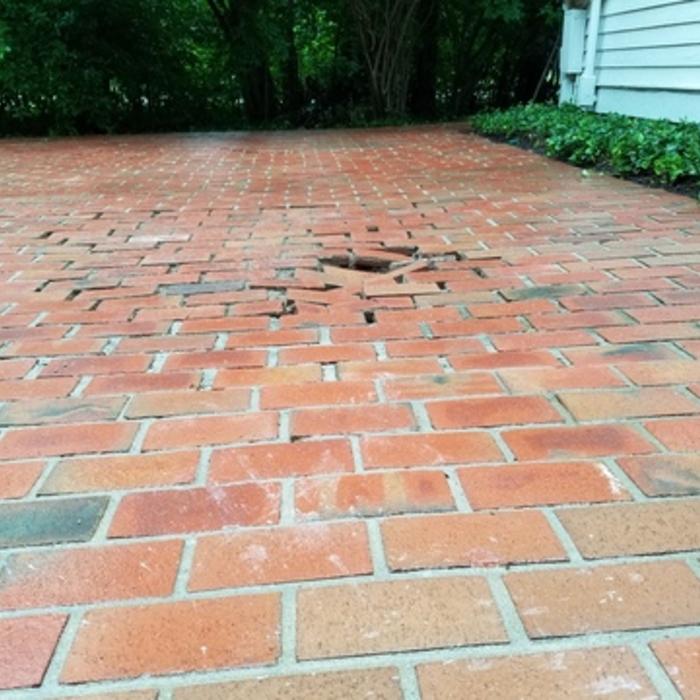
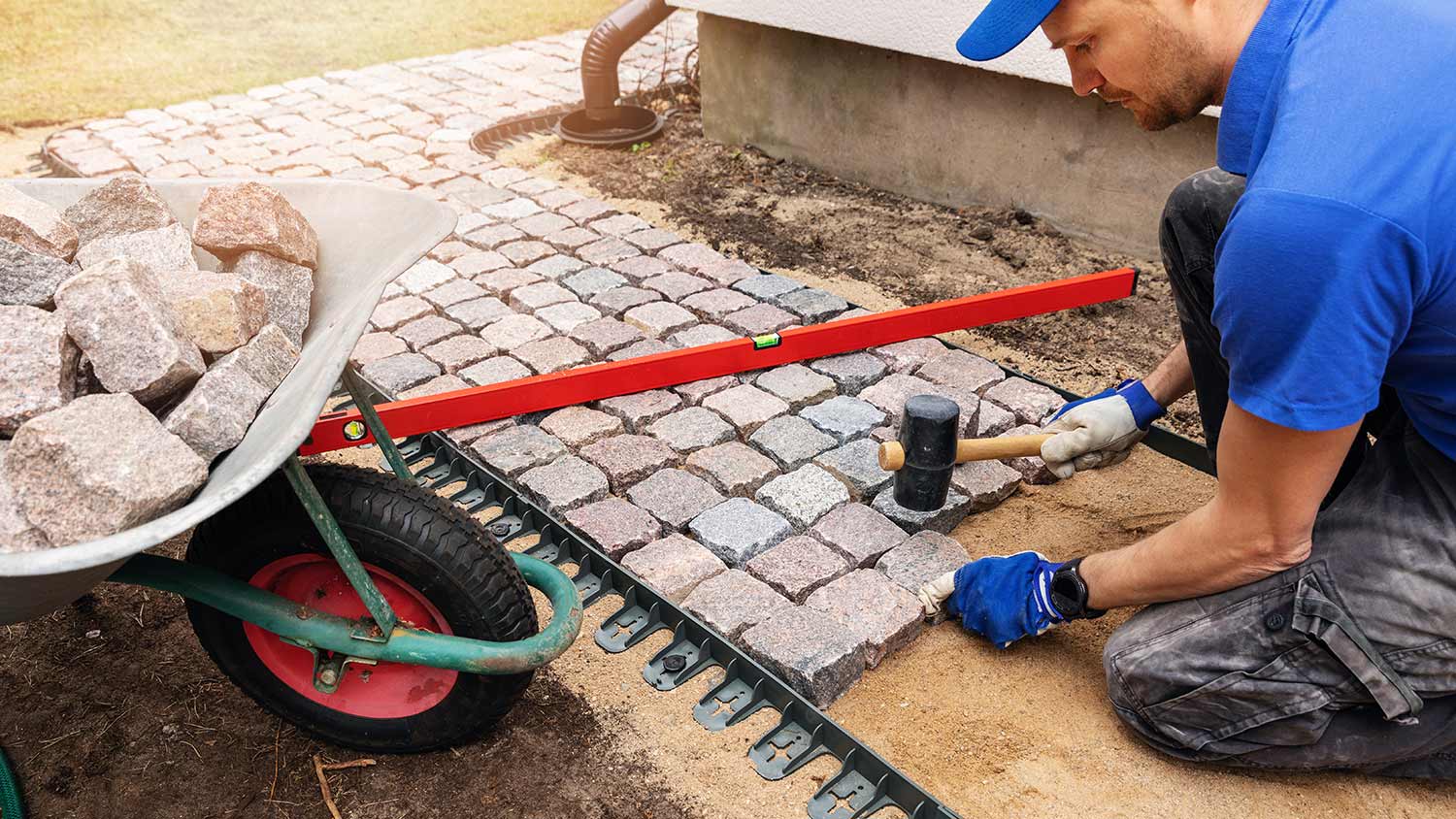
To adhere pavers to concrete, you can use either mortar or a concrete-specific adhesive. For border pavers, a polyurethane-based adhesive is a good choice as it expands and contracts with temperature changes, keeping them firmly in place. For the non-border pavers, polymeric sand is used between the joints to prevent shifting. In most cases, it is also recommended to lay a permeable sand layer below the pavers to ensure proper stability and drainage. Before starting, always take the proper preparatory steps for a professional result.
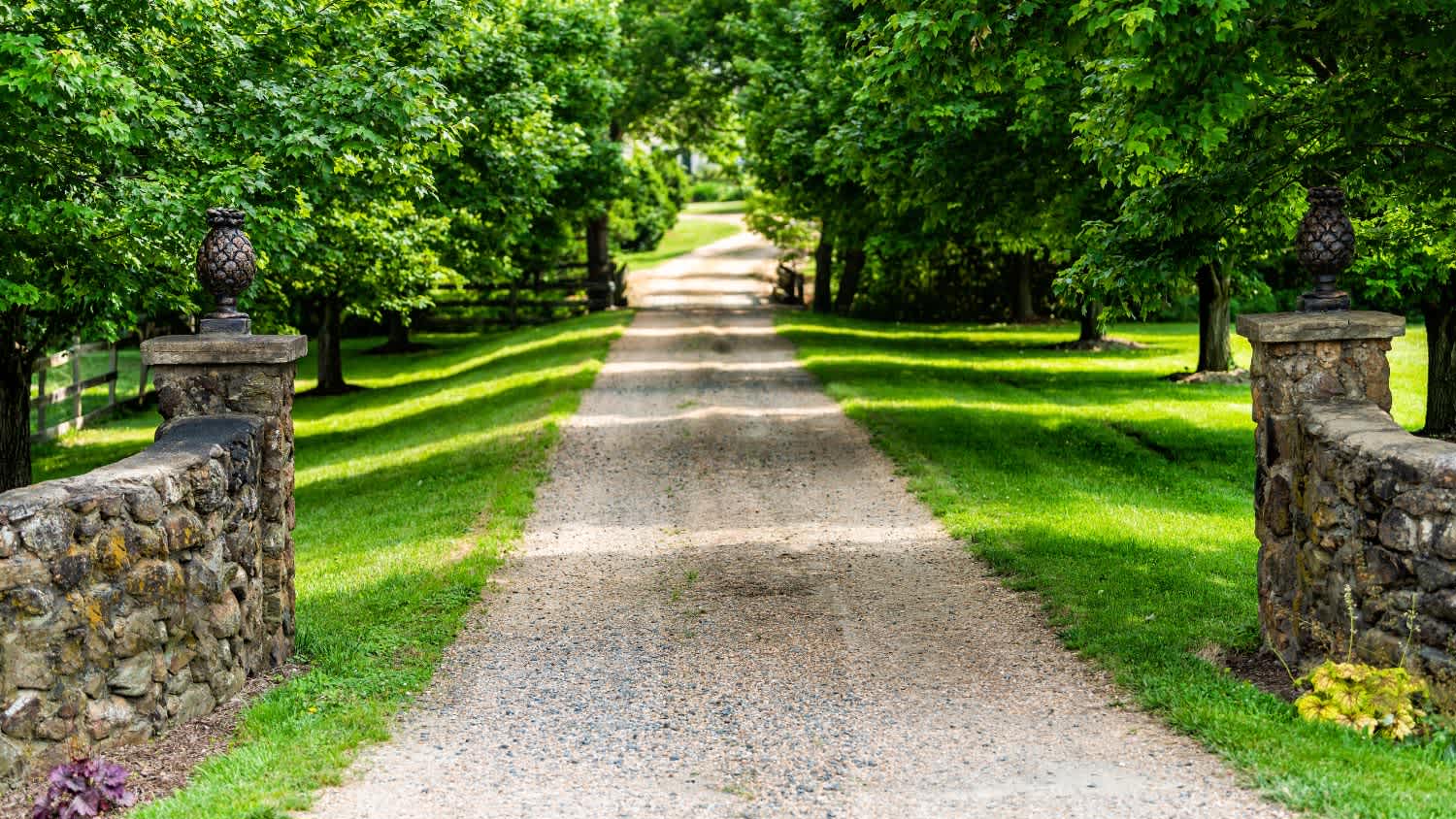
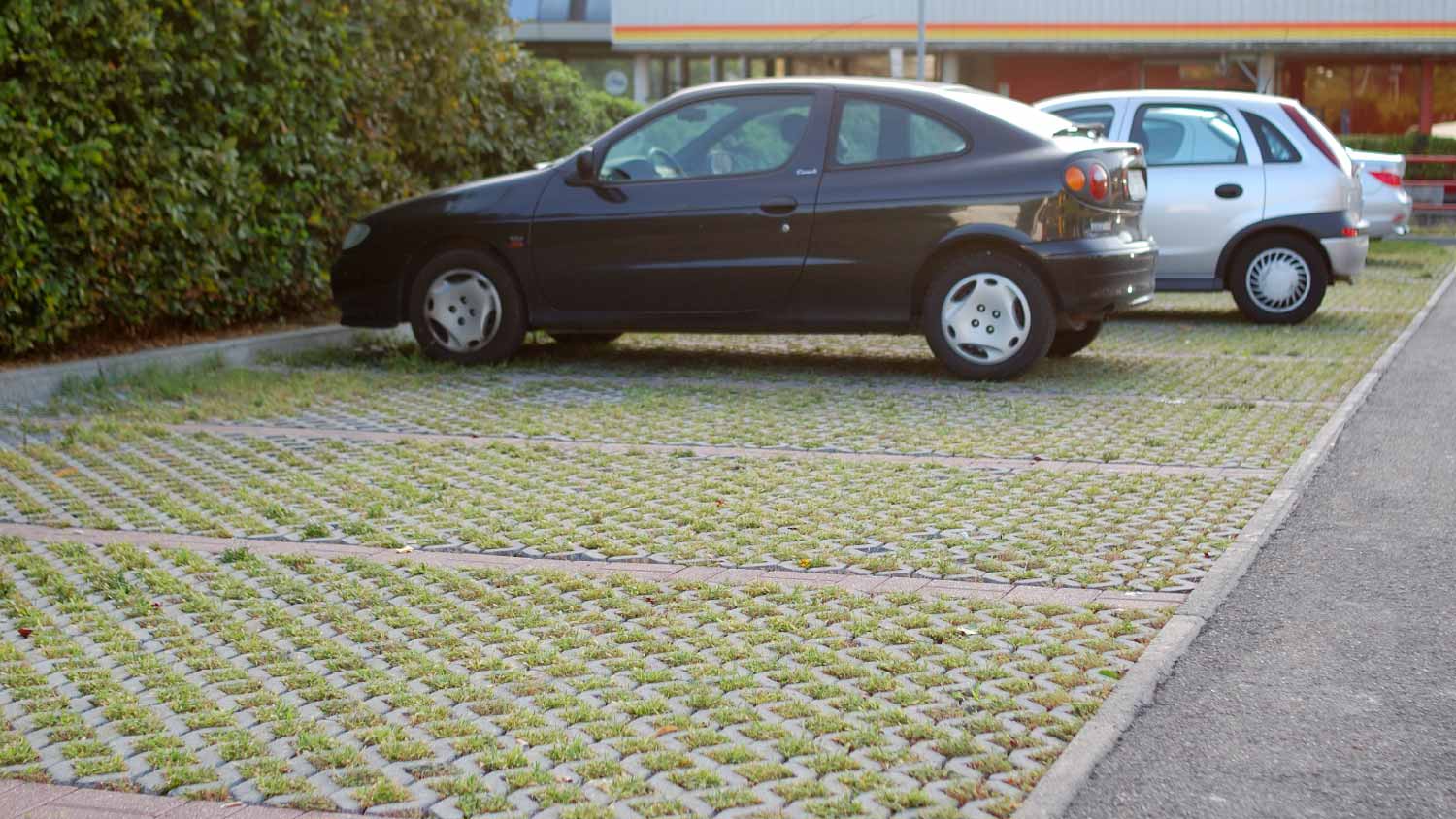
Professional installers often include a deep layer of crushed gravel under permeable pavers to allow more runoff to soak through into the soil below. Many installations will include multiple layers of gravel, with coarser aggregate at the base and finer aggregate that sits on top of that bottom layer. Above the gravel, you’ll often find coarse sand that helps reduce paver shifting over time. Some permeable paver designs include a water collection system set into the gravel layer to route runoff to a safe area for disposal.

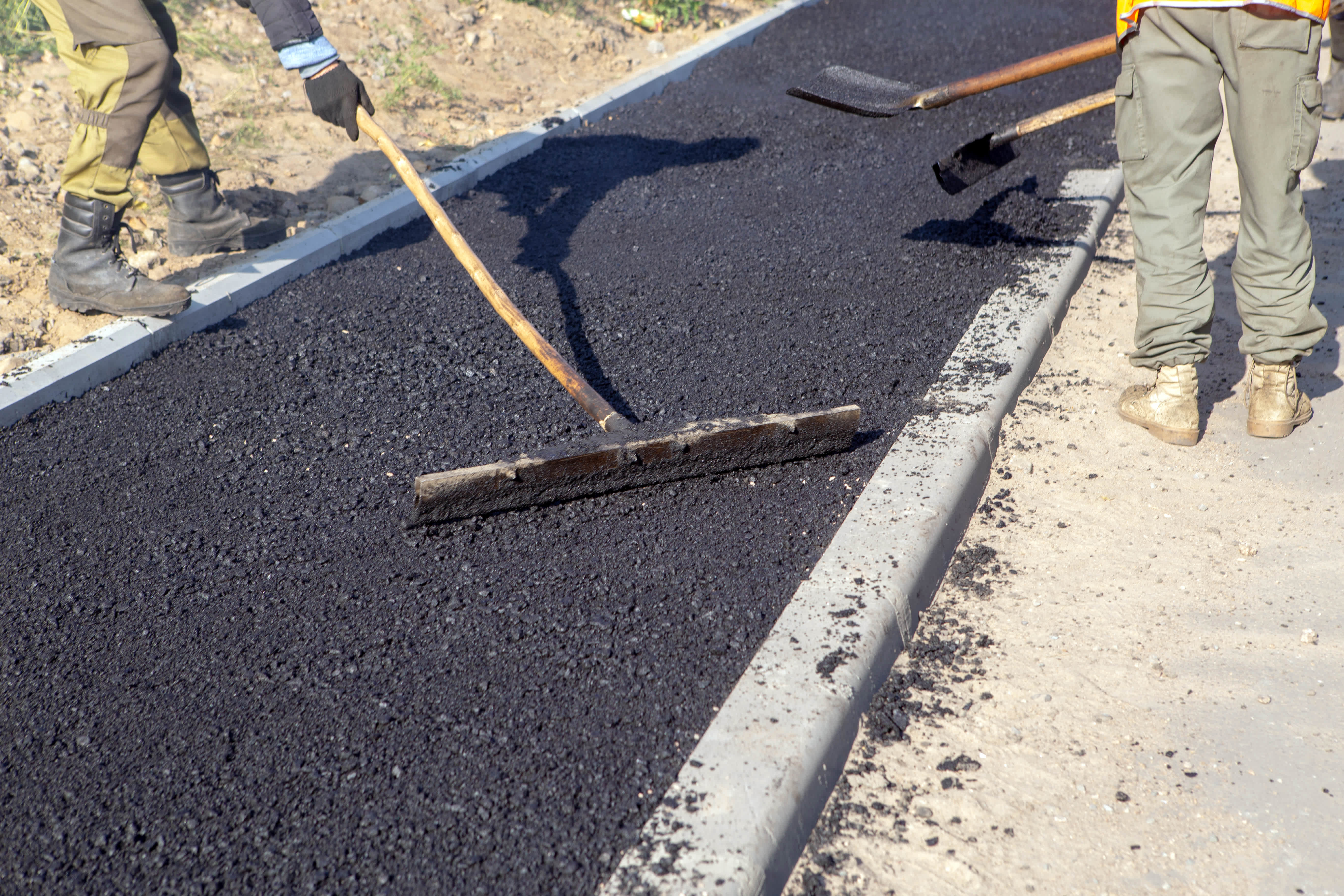
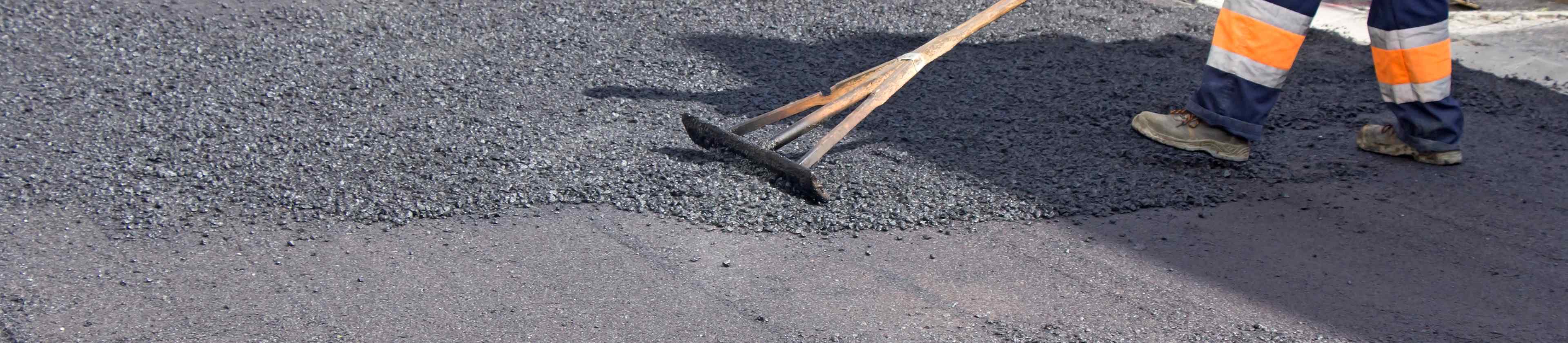
While blacktop is a type of asphalt, the terms should not be used interchangeably, as not all asphalt qualifies as blacktop. The primary differences are in their composition, production process, and ideal applications. Blacktop contains more stone than other types of asphalt and is heated to a higher temperature during production—300°F or more—while hot-mix asphalt is heated to between 275°F and 300°F. The ratio of bitumen (a tar-like crude oil) is a key differentiator, though sources vary: some state blacktop has less bitumen, making it less durable, while others claim it has a higher ratio. Due to these differences, asphalt is generally more durable and better for high-traffic areas like highways and streets, while blacktop is more suitable for playgrounds and residential driveways. For a driveway project, it is best to consult a professional to determine the most appropriate material.

The layer of polymeric sand under the pavers plus the polymeric sand that gets swept into the joints between your pavers holds them in place in a few ways. For one, the gritty texture of the sand helps lock the pavers together. Polymeric sand also contains bonding agents that get activated by water. Polymeric sand will take between 24 and 48 hours to fully cure, so do not walk on your paver walkway before this time.

The Geneva, IN homeowners’ guide to paving services

From average costs to expert advice, get all the answers you need to get your job done.