

Top-rated arborists.

Best arborists near French Lick, IN

Enter your zip and get matched with up to 5 pros

Need a pro for your arboricultural service project in French Lick, IN?

Select your specific project to find the pro for you.

TRUSTED BY FRENCH LICK, IN HOMEOWNERS

  • Average homeowner rating star icon4.9
    Average homeowner rating
  • Verified reviews icon25
    Verified arboricultural services reviews

Top-Rated Arborists in French Lick - Updated Nov 2026

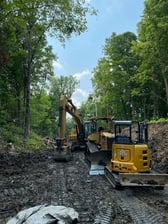
Avatar for KEH Excavating
KEH Excavating
5.0(
1
)
Tree Removal

Serving French Lick, IN and surrounding areas

Approved

In business since 2021

Free estimates

Offers commercial services

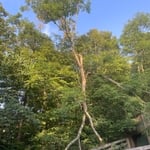
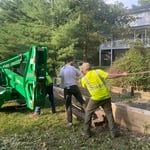
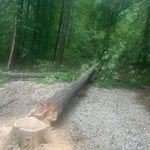
"Very fast work, have had them do a bunch of jobs for me! Always have the finished product exactly how I plan on it looking. Would definitely trust them to do any kind of work for me!"
Multiple projects
Multiple projects
Multiple projects
Multiple projects
Multiple projects

+4

4 neighbors recently requested a quote
Highline Excavation
New to Angi
Tree RemovalTree Stump - RemoveTree Trimming

Serving French Lick, IN and surrounding areas

Approved

Hi, I'm Isaiah, owner of Highline Excavation. I provide dependable excavation services throughout Owensboro, Bowling Green, Henderson, Evansville, and the surrounding areas. Whether you need a building pad, grading/sloping, trenching, gravel driveway installation or repair, land clearing, small demolition, or junk removal, I show up on time, work hard, and treat every job like it's my own property. If you're looking for honest work, fair pricing, and someone who takes pride in doing the job right the first time, I'd love the opportunity to earn your business. Reach out for a free estimate!\n

Modoc industries
New to Angi
Tree RemovalTree Stump - RemoveTree Trimming

Serving French Lick, IN and surrounding areas

Approved

Welcome to Modoc Industries.\nAt Modoc Industries, we believe in doing things the right way—the first time. Built on hard work, experience, and integrity, we provide dependable, high-quality service while maintaining the highest safety standards on every project.\nWe know trust is earned, which is why we treat every client like family. From the first conversation to the final walkthrough, you can expect honesty, professionalism, and a commitment to exceeding expectations. Our goal is not just to complete a job, but to build lasting relationships with the people and communities we serve.\nWith years of hands-on industry experience, we take pride in quality workmanship that stands the test of time. No shortcuts, no excuses—just reliable results and attention to detail from start to finish.\nThank you for considering Modoc Industries. We look forward to earning your trust and showing you the difference experience, dedication, and quality craftsmanship can make.

...
Showing 1-10 of 52
Arborists FAQs, answered by experts

The shepherd’s tree, native to the Kalahari Desert in Africa, holds the record for the deepest known tree roots at over 230 feet deep. Some African communities refer to it as the “Tree of Life” since it provides food, shade, and medicinal properties to the surrounding community.

If your palm tree has spots on the leaves, rotting buds, or is beginning to turn yellow, then you have a sick tree on your hands. You should contact a palm tree specialist to identify the problem and help treat the tree if possible. Preventing diseases and pests is key to a healthy palm tree, and it's essential to take action as soon as possible if your tree is showing signs of being sick.

Tree roots can take weeks to years to die, depending on the method you use. Chemical herbicides take the least amount of time—typically between three and four weeks—while homemade methods, like covering an old stump with leaves, could take between seven and eight years. If you’re unsure which method to use or how quickly you need to act, consulting with a pro is always a good idea.

It depends on the problem, the affected part of the tree, the risk of the pathogen spreading, and the overall health of your tree. Many diseases, fungal infections, and insect infestations can be successfully treated, especially if the issue is only in a few branches. However, if a disease is too widespread, too severe, too easily spread, or in the roots, the tree will likely need to be removed.

Ideally, you should wait to prune until trees have gone dormant in late fall to early winter. The worst times to prune trees are early fall and late summer, as pruning them so close to dormancy makes it difficult for the tree recover before it goes dormant for the season.

The French Lick, IN homeowners’ guide to arboricultural services

From average costs to expert advice, get all the answers you need to get your job done.