



Top-rated radon detection and reduction specialists.

Get matched with top radon detection and reduction specialists in Fairview Park, IN

Enter your zip and get matched with up to 5 pros

Need a pro for your radon detection and reduction project in Fairview Park, IN?

Select your specific project to find the pro for you.

Find Radon detection and reduction specialists in Fairview Park

Avatar for BreathSafe Radon and Moisture Control
BreathSafe Radon and Moisture Control
4.2(
9
)

Serving Fairview Park, IN and surrounding areas

In business since 2023

Free estimates

Emergency services offered

"It went great! I have a home where the system was not easy to install, but they stayed until it was finished. A test kit was left to see if it was working properly, but they added that they would return if our radon wasn't lowered. IT WAS!! Money very well spent"
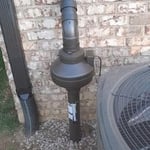
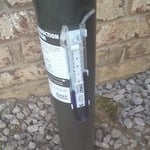
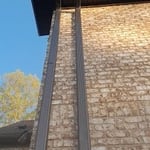
Additional Photos
Additional Photos
Additional Photos
Additional Photos
Additional Photos

+5

Recommended by85%of homeowners
Radon Detection and Reduction questions, answered by experts

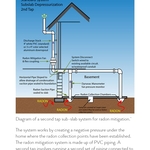
The natural breakdown of uranium in soil, rock, and water can cause radon to appear in a home. The gas seeps into homes through cracks in foundations, walls, or floors, as well as through gaps around pipes or construction joints. Radon levels are influenced by soil composition, building materials, and ventilation. Poorly sealed or airtight homes can trap radon, allowing it to accumulate.

Mitigation reduces radon levels, protecting your health and complying with safety standards.

No level of radon is technically safe, but since it is naturally present everywhere, it is impossible to avoid entirely. The average radon level in homes across the United States is 1.3 picocuries per liter (pCi/L). The Environmental Protection Agency (EPA) recommends taking action to reduce radon levels if your home's test results are between 2 and 4 pCi/L or higher.

Radon is a cancer-causing radioactive gas that poses serious health risks, infiltrating homes through foundation cracks and unnoticed spaces.

Keeping radon from getting into your home is much better than having to get rid of it once it's already indoors. While there may not be a way to fully prevent radon from getting into your home, there are things you can do to reduce the gas's ability to enter. 

Sealing foundation cracks and openings can help keep the gas from seeping inside. Improving air flow, such as by opening windows, can also be helpful. If you're building your home from scratch, talk to your contractor about using radon-resistant construction to keep the gas out.

The Fairview Park, IN homeowners’ guide to radon detection and reduction services

From average costs to expert advice, get all the answers you need to get your job done.