



The cost of a radon mitigation system depends mostly on the type of system being installed. Use this guide to learn about your options.

*The Angi rating for Radon Detection And Reduction companies in Westville, IL is a rating based on verified reviews from our community of homeowners who have used these pros to meet their Radon Detection And Reduction needs.
*The HomeAdvisor rating for Radon Detection And Reduction companies in Westville, IL is a rating based on verified reviews from our community of homeowners who have used these pros to meet their Radon Detection And Reduction needs.
Last update on September 16, 2026
From average costs to expert advice, get all the answers you need to get your job done.
The cost of a radon mitigation system depends mostly on the type of system being installed. Use this guide to learn about your options.
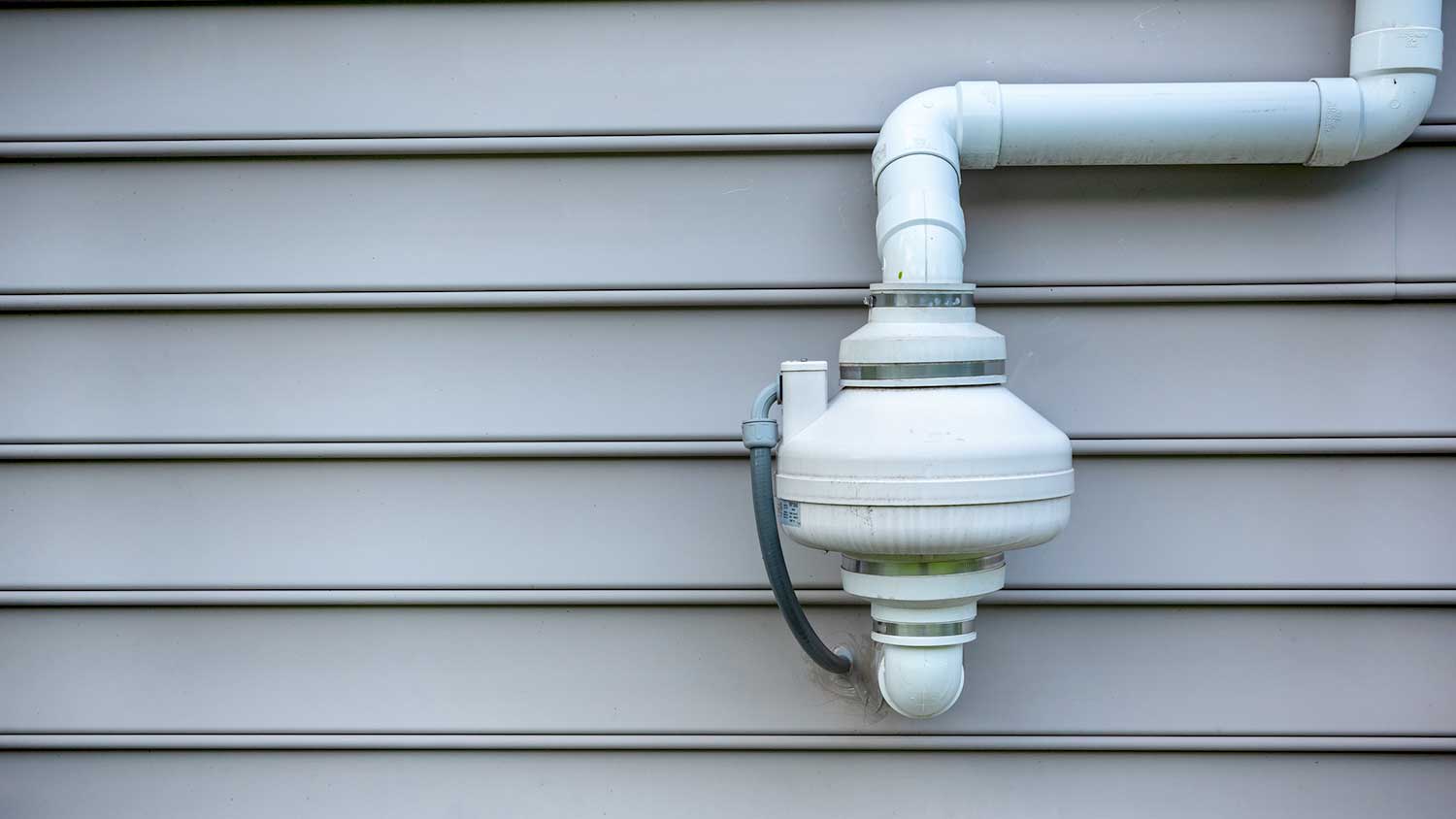
Get clear answers on how much radon remediation costs, including average prices, key cost factors, and tips to save money on your home’s radon mitigation.
Find out what impacts radon testing costs, including average prices for DIY kits and professional services, so you can protect your home and budget confidently.

Radon is a gas that you can't see or smell and is harmful to your health. If your home has radon, you need to know who installs radon mitigation systems.
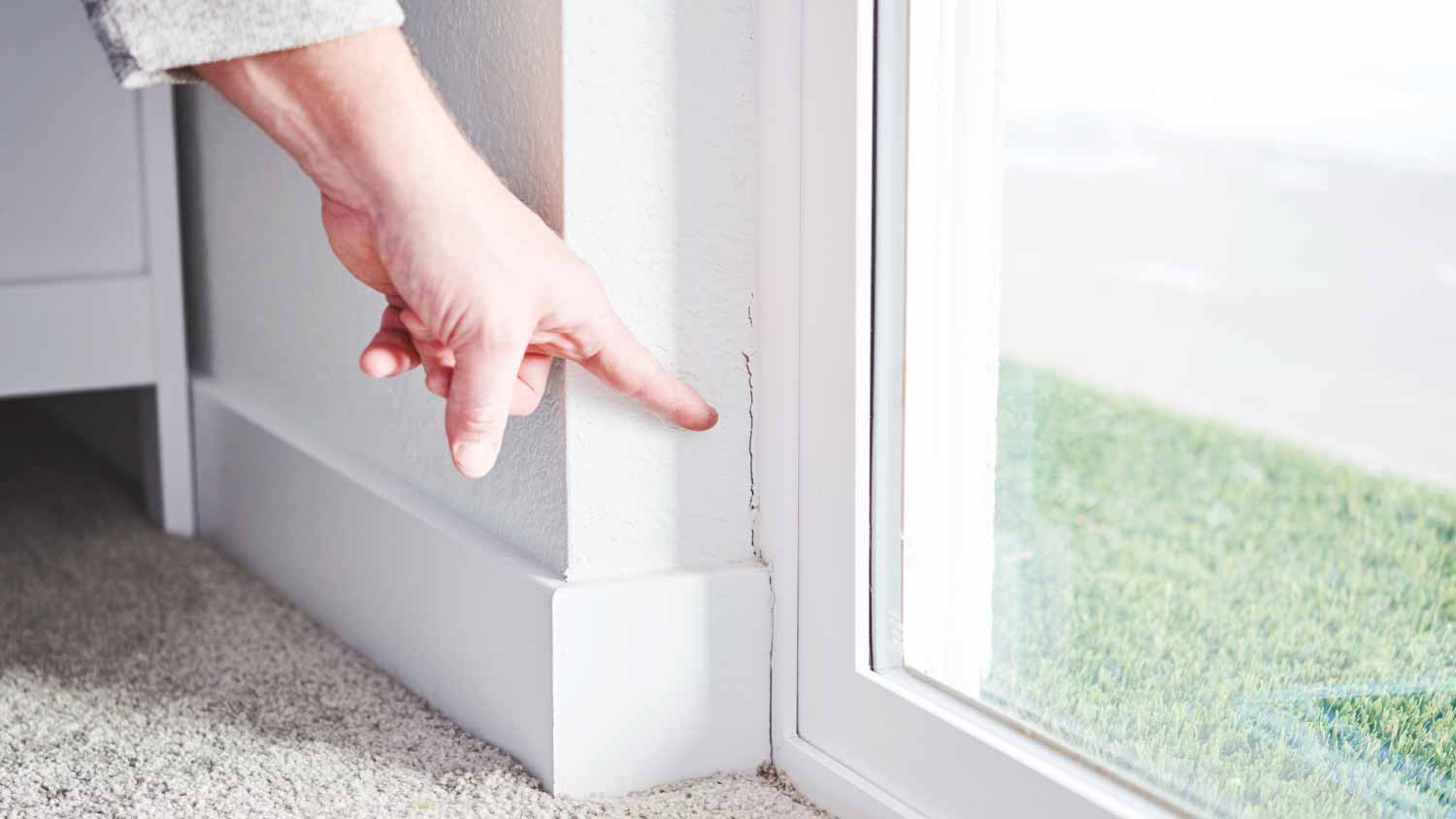
What is radon gas? Find out what this radioactive gas is, why it is dangerous, how it gets in your home, and how to mitigate it.

What is radon testing? Radon testing measures the presence and concentration of radon gas within indoor environments. Read on to learn more.