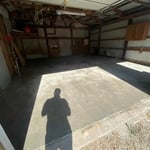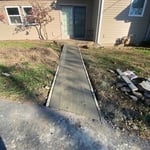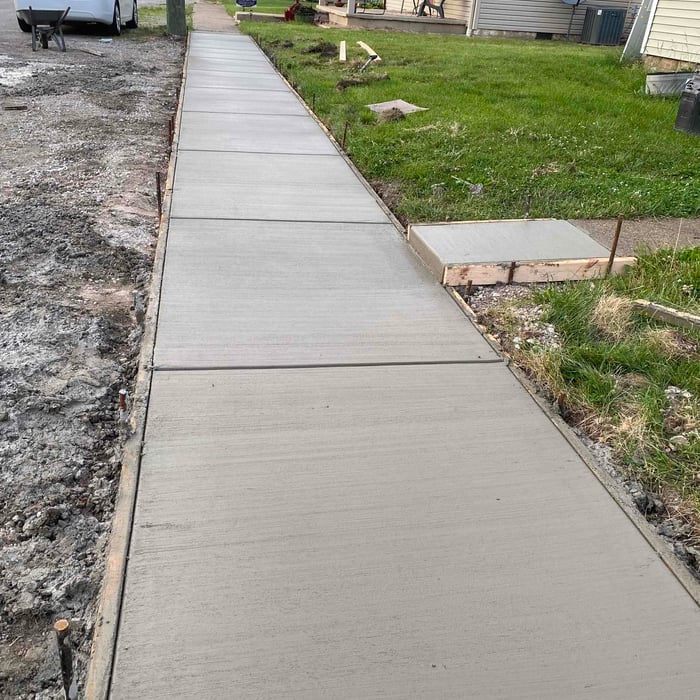





Top-rated paving pros.

Get matched with top paving pros in Burlington, IN

Enter your zip and get matched with up to 5 pros

Need a pro for your paving service project in Burlington, IN?

Select your specific project to find the pro for you.

Find Paving pros in Burlington

Avatar for Prairie and Company Paving, LLC
Prairie and Company Paving, LLC
3.6(
41
)
Asphalt Paving - InstallAsphalt Paving - Install- For BusinessAsphalt Paving - Repair or Patch+1 more

Serving Burlington, IN and surrounding areas

In business since 2007

Free estimates

Warranties offered

"I am extremely pleased with the timing, service and professionalism of Prairie & Company asphalt paving....The entire staff was professional and kind and they did an absolutely phenomenal job on my driveway.... I am 110% satisfied and I would highly recommend them to anyone who is looking for asphalt paving or sealing work done... I could not be happier with the job that they’ve and the price was very affordable.....They absolutely smashed the competitions quotes and delivered big time!!!!"
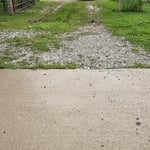
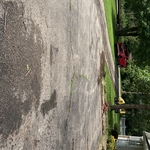
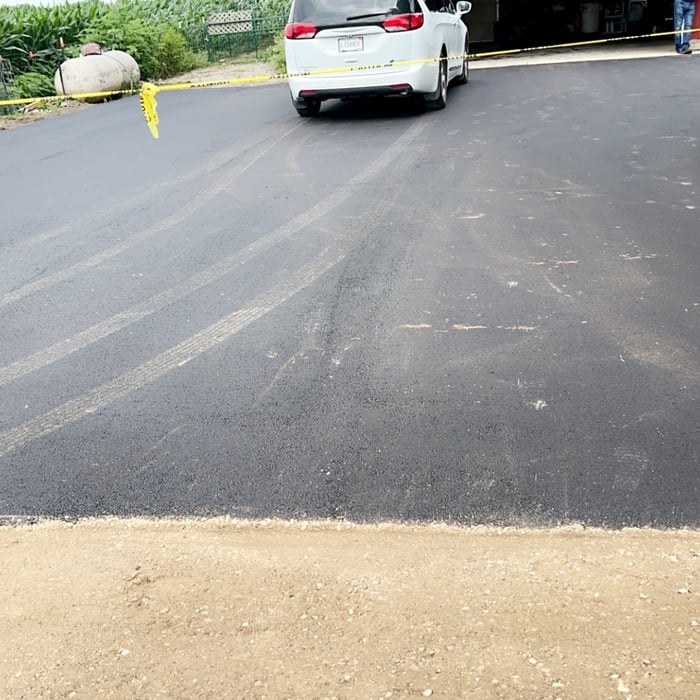
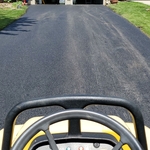
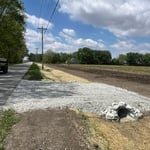
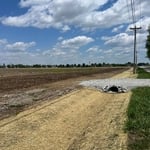
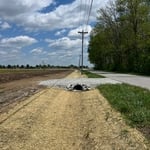
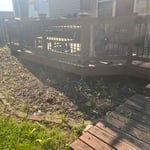
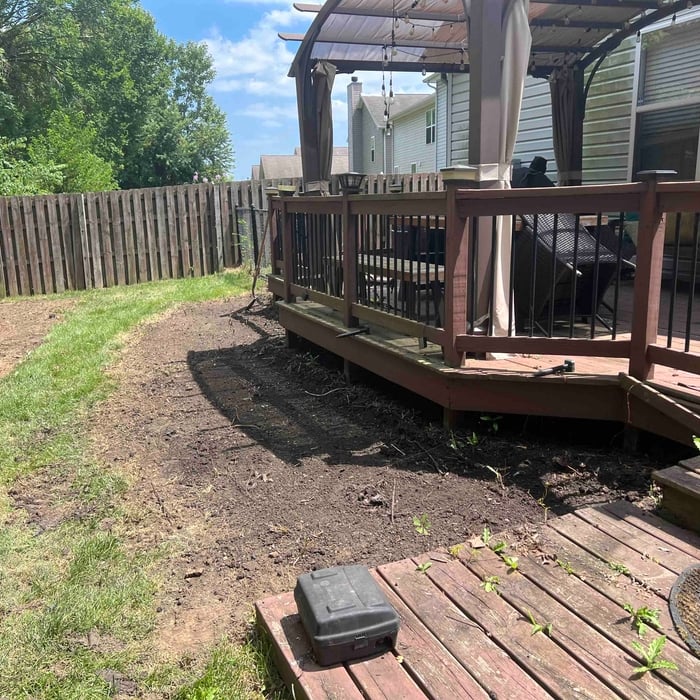
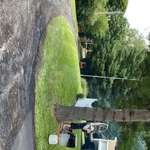
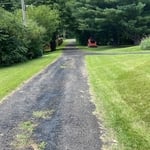
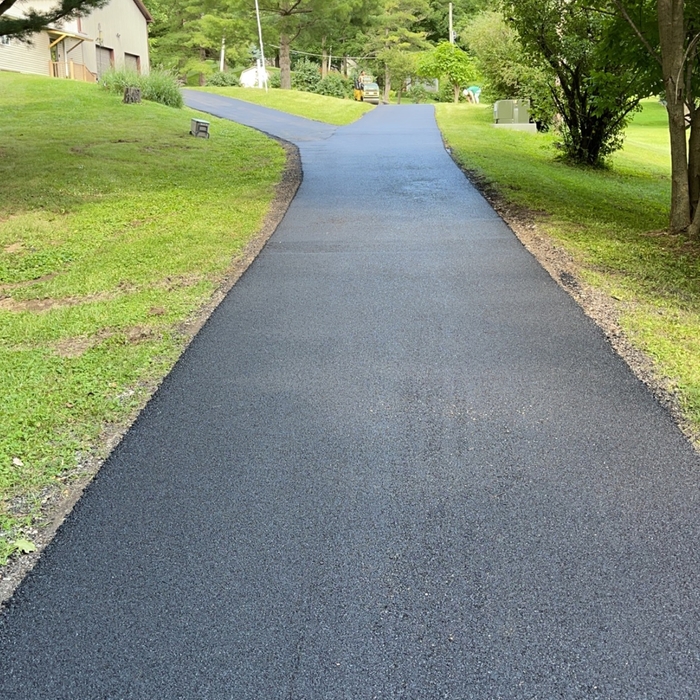
Before
Before
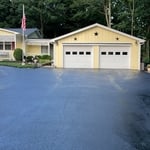
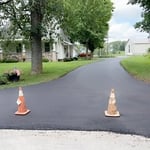
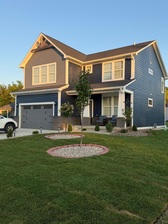
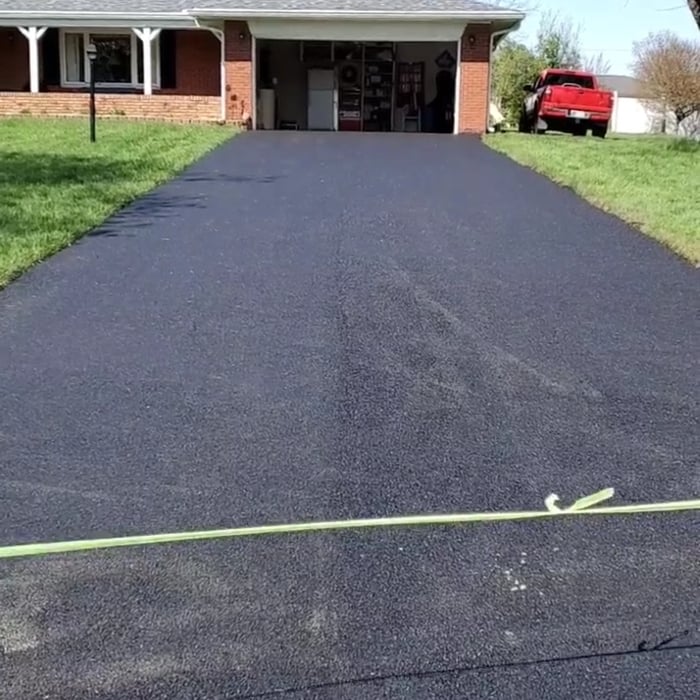
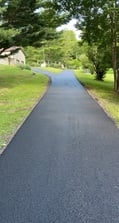
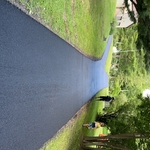
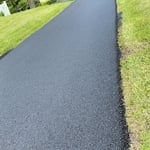
After
After
After

+54

Response time2 days
Recommended by66%of homeowners
Showing 1-10 of 43
Paving Services questions, answered by experts

Driveways should be sloped with a minimum 2% slope—anything lower will cause precipitation and runoff to collect. A 2% slope is the equivalent of a 2-foot rise over 100 feet. One quick way to check the integrity of your driveway’s slope: no more than four inches of water should collect on the surface longer than 15 minutes after rain.

It takes recycled asphalt 48 hours to initially harden and up to 3 months to fully cure. It’s best to stay off of recycled asphalt for at least 48 hours, then you can walk or drive standard vehicles on it. Hold off on driving heavy trucks or equipment on it for at least 7 days. Allowing the surface to melt together and harden ensures that the surface stays durable and long-lasting. 

Outdoor kitchens get wet and are sometimes next to pools. To avoid accidents, go with a non-slip material like concrete, brick, or rubber. Avoid materials like ceramic and porcelain, as they are known to be quite slippery. Wood and composite flooring can be slippery if untreated, so make sure to stain or finish these materials.

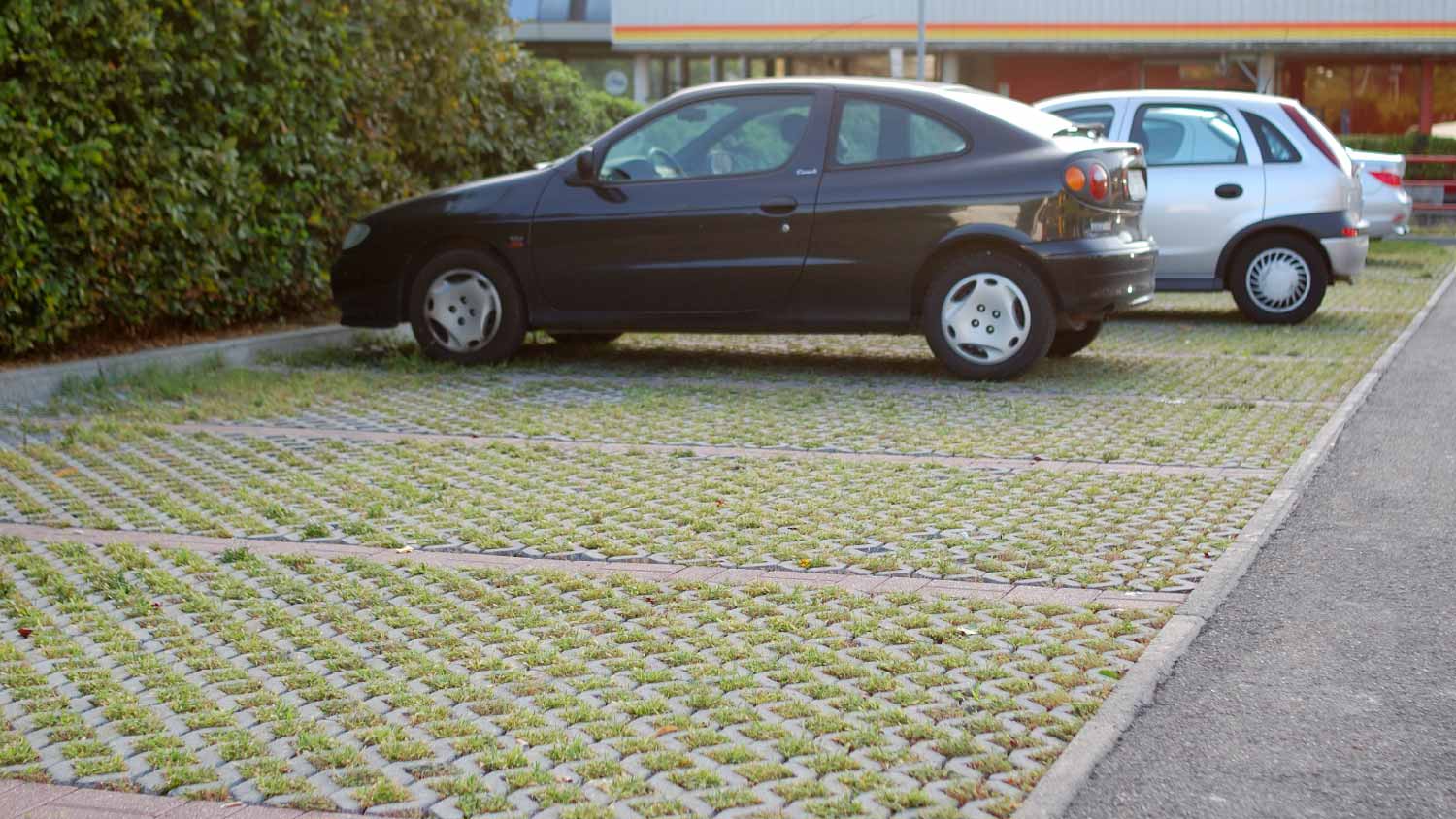
Professional installers often include a deep layer of crushed gravel under permeable pavers to allow more runoff to soak through into the soil below. Many installations will include multiple layers of gravel, with coarser aggregate at the base and finer aggregate that sits on top of that bottom layer. Above the gravel, you’ll often find coarse sand that helps reduce paver shifting over time. Some permeable paver designs include a water collection system set into the gravel layer to route runoff to a safe area for disposal.


Wet cutting is usually the preferred method. It controls dust, which helps protect your lungs and makes for a cleaner working environment. Plus, the water cools the blade, preventing overheating and prolonging its life while providing smoother, more precise cuts. The downside is the mess—water and asphalt sludge can be messy to clean. Dry cutting, though convenient if water isn’t available, creates a lot of dust, which can be harmful. This also increases the risk of blade damage due to overheating. So, if you have the option, wet cutting is the better method for most asphalt jobs.

The Burlington, IN homeowners’ guide to paving services

From average costs to expert advice, get all the answers you need to get your job done.