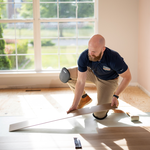
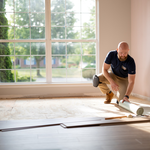
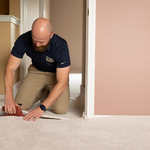
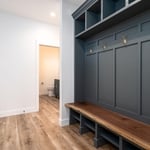
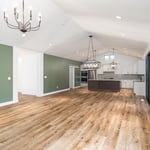
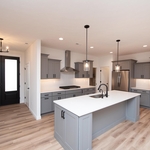
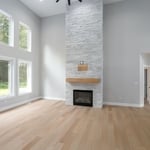
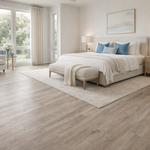
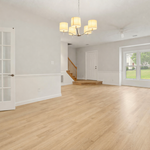
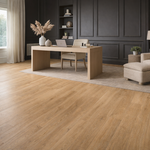
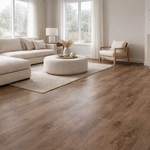
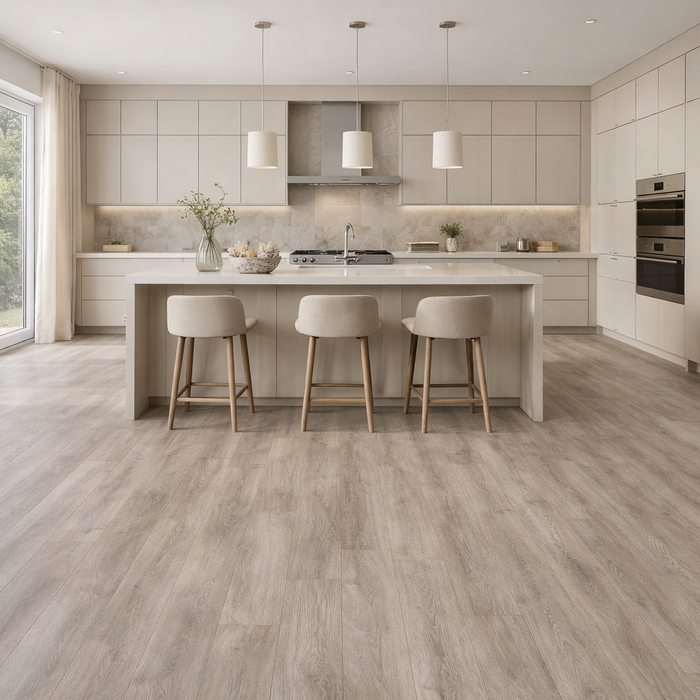
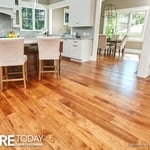
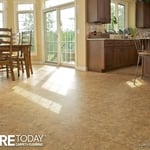
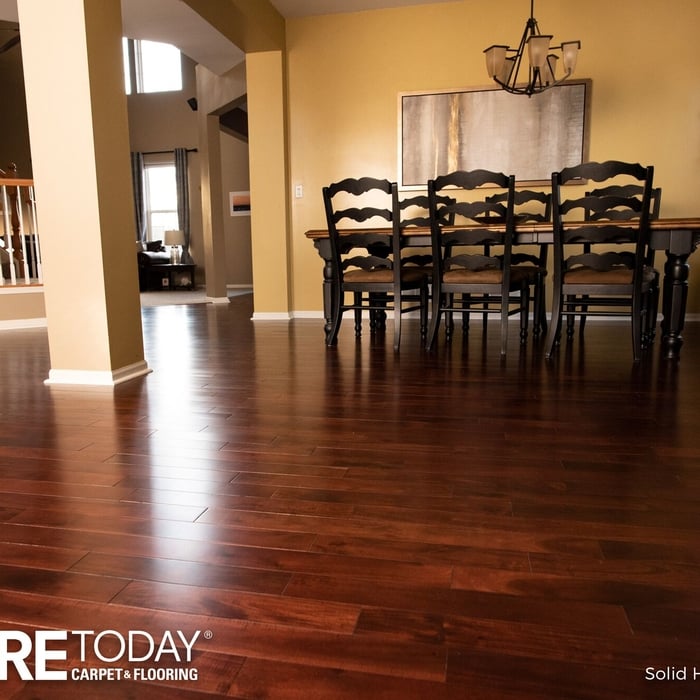
"Michael’s Floor Cover recently installed LVP in two of my bedrooms and living room, and they did a wonderful job! They brought samples to my house so I could see it with my color couch and walls, and within a couple of days they called to get the floors installed. The install went pretty quick and look great."
"Ben was professional and easy to work with. He replaced our floors and did an excellent job. We are very pleased with the quality of work and would definitely use him again if we need any flooring work done."
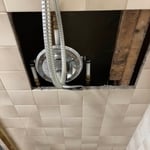
"Project started on January 29th and thought it was completed in two days. looked beautiful. Screws/Nala came through the bedroom wall. Easy fix. Shower kept dropping. Took several Tries and finally a new shower head resolved the problem. One of the biggest problems was a lek that caused a hold to develop in the kitchen ceiling. This fix took a long time because the contractor had other jobs to do before he could complete the fix. We also took the entire month off in March. The repair never got done until Friday the 11th of March. Had to call several times to get the repair done but itv seems good at this time."
"Jetty's work was on time, excellant and well-priced. I was very pleased. They performed above and beyond. They went out of their way to make this a pleasant experience."
Sheet vinyl is among the most affordable and durable flooring options, with prices as low as $0.50 per square foot and a lifespan of 10 to 20 years. Other inexpensive and durable choices include standard vinyl plank ($2 to $7 per square foot), which mimics wood or stone and is great for high-traffic areas. Laminate flooring ($1 to $6 per square foot), linoleum, carpeting, and concrete can also be cost-effective options, with prices starting around $2 per square foot.
Houses naturally settle over time, but they should settle uniformly with no apparent settling in one spot. If your floor is uneven but only in a particular area of your home, differential settlement could be the problem. This can be caused by improper drainage, erosion, expanding soil, earthquake activity, or poor construction techniques.
Clean with a damp mop, avoid excess water, and use furniture pads to prevent scratches.
Door transitions can work with virtually any flooring type; however, different transition strips lend themselves better to specific flooring types. For instance, if you are bridging the gap between a taller floor, like carpet, to a shorter floor, like hardwood, then you will want a transition strip with a slight slope to bridge the height difference. These transition strips are called reducer molding. On the other hand, if you are bridging two floors of the same height, you can use flat transition strips, such as T-strips and seam binders.
You can lay your laminate flooring in whichever direction you'd like. However, you should check your materials' instructions and see what the maximum length limit is for the installation. This differs according to the brand you buy, but you can expect it to be around 40 linear feet. Depending on the size of the room, this might dictate which direction you end up laying the planks.