




Top-rated radon detection and reduction specialists.

Get matched with top radon detection and reduction specialists in Tremont, IL

Enter your zip and get matched with up to 5 pros

Need a pro for your radon detection and reduction project in Tremont, IL?

Select your specific project to find the pro for you.

Find Radon detection and reduction specialists in Tremont

Avatar for U.S. Waterproofing
U.S. Waterproofing
4.3(
596
)

Serving Tremont, IL and surrounding areas

Approved

In business since 1957

Free estimates

Warranties offered

"Called company on Monday and got an appointment for an inspection on Wednesday. That following Monday, the technician arrived and went through each step is sealing off the concrete foundation to the water leak. The fix worked well and was put to the test with the recent record rains. Not one drop of water came into the basement."
Radon Mitigation
Radon Mitigation
Basement Waterproofing
Response time1 day
Response rate100%
25 neighbors recently requested a quote
Radon Detection and Reduction questions, answered by experts

No level of radon is technically safe, but since it is present everywhere, complete avoidance is impossible. The average radon level in homes across the United States is 1.3 picocuries per liter (pCi/L). The Environmental Protection Agency (EPA) recommends taking preventative measures if your home's radon levels are between 2 and 4 pCi/L or higher.

Testing every 2-5 years or upon adjusting occupancy or structural changes maintains safe environments.

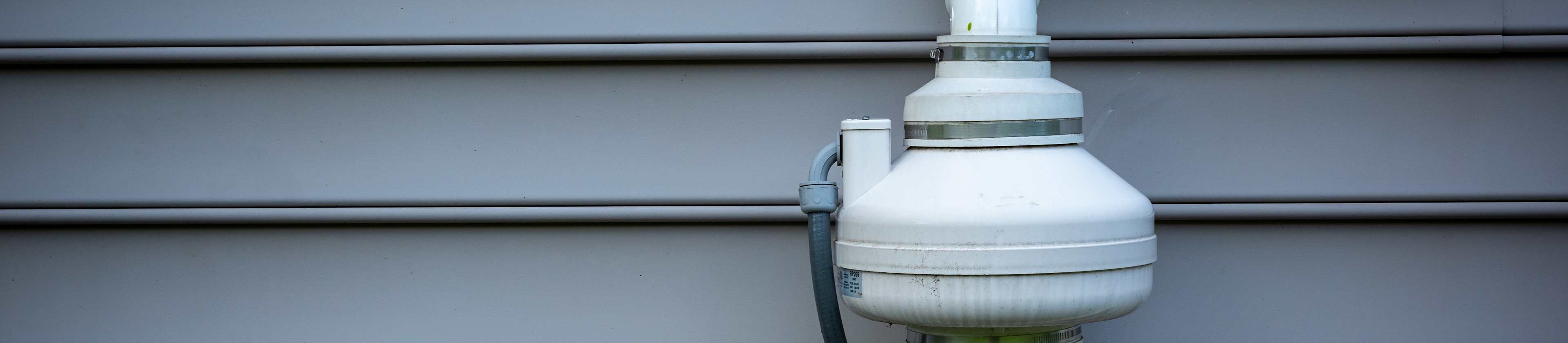
The fan that pulls the radon out of the air needs to run continuously, so you may see an increase in your electric bill once you install the mitigation system. Additionally, you may see an increase in your heating or cooling bills, as the fan can cause some loss of hot or cool air.

Your radon mitigation system may be loud because it’s time to replace it. Any sounds are usually from the inline fan that helps create the vacuum and resulting airflow. If you hear a new, loud mechanical or humming noise from your radon fan, it might be time to replace it. Most fans used in radon mitigation systems last up to 10 years, but may need to be replaced sooner.

The soil beneath your house is most likely what’s causing an increased level of radon. This is because soil holds radioactivity for a long time and it’s also what most buildings are built on. Another common source of radon is water from a source that hasn’t been through periodic radon tests, such as well water. Over time, the radon from the soil can inhabit other parts of your house like the foundation or plumbing.

The Tremont, IL homeowners’ guide to radon detection and reduction services

From average costs to expert advice, get all the answers you need to get your job done.