





Top-rated excavation pros.

Get matched with top excavation pros in Mascoutah, IL

Enter your zip and get matched with up to 5 pros

Need a pro for your excavation project in Mascoutah, IL?

Select your specific project to find the pro for you.

Find Excavation pros in Mascoutah

Eleven Eleven Excavating, LLC
5.0(
9
)
Building Site - Preparation and ClearingExcavation - Major Grading or ReslopingExcavation - Major Grading or Resloping - For Business+1 more

Serving Mascoutah, IL and surrounding areas

Approved

Super Service Award Winner

In business since 1998

Free estimates

Credit card accepted

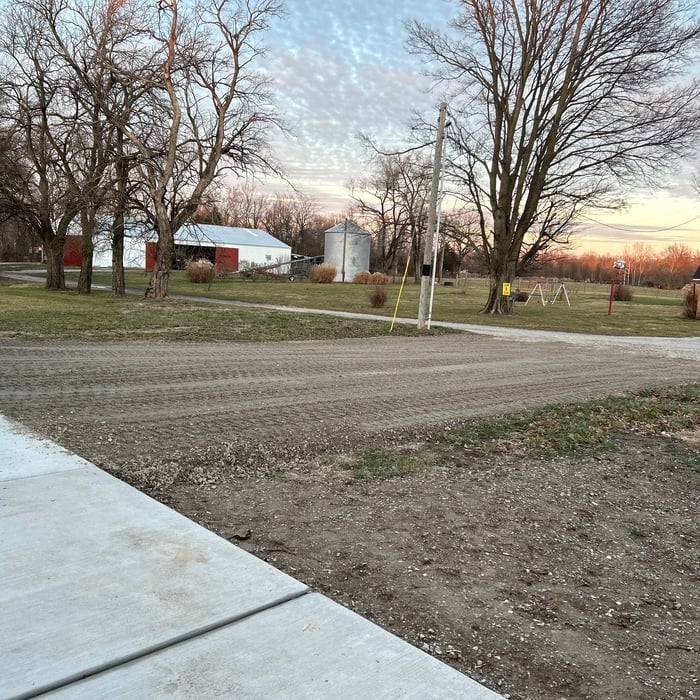
"I couldn't be more happy with the work Eleven Eleven Excavating did at my home. I had grading around the house done and gravel put down for my driveway,carport and shed. The work was done sooner than expected and done well at a fair price. I would definitely use them again."
Response time10 hrs
Response rate98%
Recommended by42%of homeowners

Avatar for Allen Pace
Allen Pace
5.0(
2
)
Landscape - Minor Grading or ReslopingBuilding Site - Preparation and Clearing

Serving Mascoutah, IL and surrounding areas

Approved

In business since 2022

Free estimates

Customers say: Quick response

"Quick response to my request on Friday and demolition the next Monday. The demolition and removal took less than an hour. I am pleased because the dilapidated shed was in the way of my next home improvement project. I told Alan I was leaving for vacation Monday morning. He was on site at 7:15 am."
Response time3 hrs
6 neighbors recently requested a quote
Recommended by100%of homeowners
Avatar for AB excavation
AB excavation
New to Angi
Building Site - Preparation and ClearingExcavation - Major Grading or Resloping

Serving Mascoutah, IL and surrounding areas

Approved

Free estimates

Small jobs welcome

Credit card accepted

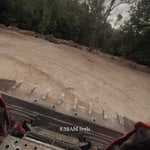
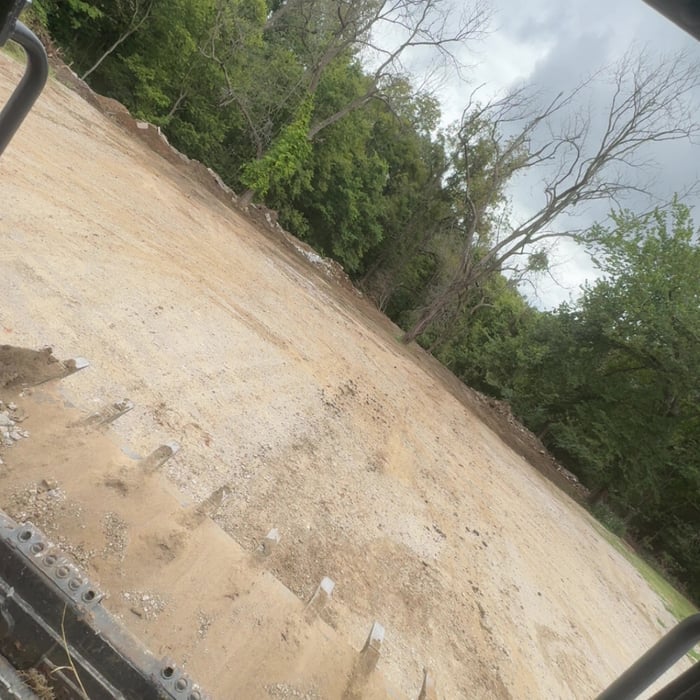
AB Excavation is a locally owned and operated excavation and land clearing company based in Highland, Illinois.\nWe specialize in land clearing, grading, and site preparation for residential and small commercial projects. Our work includes Fences, small lot clearing, new home site prep, demolition and haul-off, pond and water feature excavation, and culvert installation.\n\nWe take pride in doing the job right the first time, showing up when we say we will, and communicating clearly with our customers from start to finish. Whether it’s clearing property, prepping a build site, or handling drainage work, we focus on quality workmanship, efficiency, and fair pricing.\n\nWe serve Highland and the surrounding areas and work closely with homeowners, builders, and property owners to get projects completed safely and on schedule.

...
Showing 1-10 of 97
Excavating questions, answered by experts

Trenches are typically 12 to 24 inches deep and 8 inches wide. However, the required depth depends on the specific project and local ordinances. For example, a French drain may need to be 18 inches deep, while a water pipe might require a depth of 24 inches and a drainage pipe 36 inches. Your city or county may have specific regulations, so it's wise to consult with an excavation professional to determine the correct depth for your project.

There is no standard depth for burying a septic tank; they are typically buried anywhere from 4 inches to 4 feet underground. The final depth depends on several factors, including the depth of your main sewer line, the height of the bedrock, soil type, local regulations, and the property's landscape. If you plan to grow grass or plants over the tank, a depth of at least 4 to 6 inches is recommended. Deeper tanks can be more difficult to locate, but a septic professional can help find it for you.

You can bury underground electrical wire six inches deep—but only if you use a rigid metal electrical conduit. For rigid, non-metallic conduits, bury the wire at least 12 inches deep. If using an underground feeder cable rated for direct burial, you'll need to place it at least 18 inches deep, as it has no conduit for extra protection.

As a general rule, the protected area should be about 1½ times as wide as the canopy of the tree’s leaves. This digging measurement can vary by tree species and the age of the tree. Of course, that can be a lot of fencing for larger trees, which is why our first step is about making difficult decisions on which trees to save.

The best method for digging a trench depends on the scope of the project. For a short, shallow trench (less than 2 feet deep) in light, soft soil, digging by hand may be sufficient. However, digging by hand is labor-intensive, so consider the effort required. A machine trencher is the better option for longer trenches (over 100 feet), deeper ones, or when dealing with difficult soil conditions, such as rocky or hard ground, or obstructions like tree roots. A machine can save significant time and energy in these situations.

The Mascoutah, IL homeowners’ guide to excavation services

From average costs to expert advice, get all the answers you need to get your job done.