





Top-rated pest control specialists.

Get matched with top pest control specialists in Princeton, IL

Enter your zip and get matched with up to 5 pros

Need a pro for your pest control project in Princeton, IL?

Select your specific project to find the pro for you.

Find Pest control specialists in Princeton

Avatar for TruGreen
TruGreen
3.7(
10
)
Mosquito Control

Serving Princeton, IL and surrounding areas

Approved

In business since 1974

Free estimates

Credit card accepted

"TruGreen provided transparent pricing and quality workmanship when treating my property for bed bugs. Their technicians were professional and thorough, ensuring every area was treated to eliminate the infestation. I appreciated their attention to detail and how they followed up to ensure the problem was resolved. I'll definitely be using their services again if needed."
Recommended by100%of homeowners
Avatar for Terminix
Terminix
3.7(
391
)
Pest Control - Bed BugsPest Control - Bugs and InsectsPest Control - Rodents+1 more

Serving Princeton, IL and surrounding areas

In business since 1927

Free estimates

Warranties offered

"From sales, termite application, and pest control Price Termite & Pest Control where professional and friendly. I was able to watch the treatments and they were exactly what was explained to me in my first meeting - no deviation or shortcuts. I highly recommend this company"
Termite Bait Installation - Driveway
Termite Tech
Residential Termite Treatment
Tech w. Clients
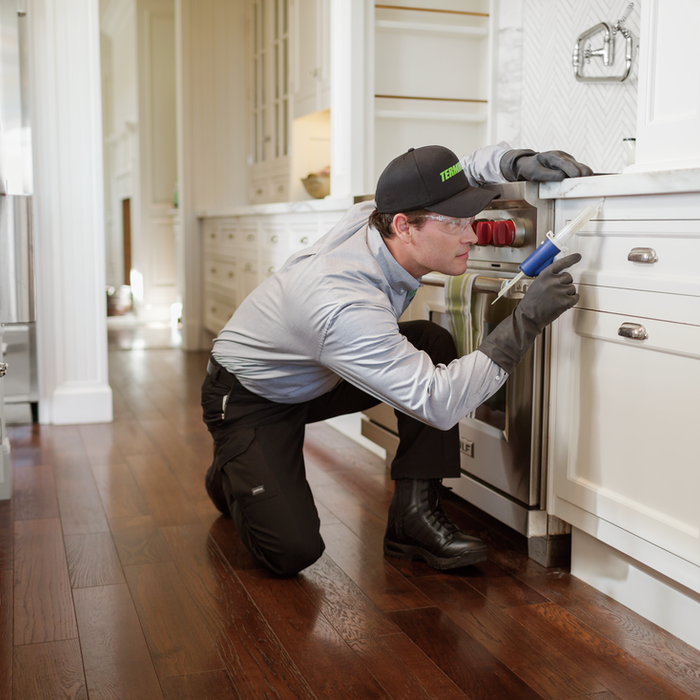
Pest Treatment - Kitchen

+8

Recommended by85%of homeowners
Avatar for American Home Shield – Home Warranty
American Home Shield – Home Warranty
3.5(
5,688
)
Mosquito ControlPest Control - Bed BugsPest Control - Bugs and Insects+3 more

Serving Princeton, IL and surrounding areas

In business since 1971

Credit card accepted

"The last was a rental company that we have and we used them for an air conditioning and heating system. It was Bototach Mechanical. It’s been a good program for us. They’re very responsive. I don’t know what the thought process was. My husband said, well let’s try these guys and so we did. We have an older home and it’s proved to be a very good deal. The quality has been pretty good, so I would give them an A for the quality. I will give you one helpful hint though. If the company decides they want to replace an appliance, you need to call them and negotiate with them because you can upgrade, but you need to talk to them in person not just do it over the internet."
Additional Photos
Additional Photos
Additional Photos
Additional Photos
Additional Photos

+2

Recommended by65%of homeowners
Pest Control questions, answered by experts

Most treatments take 3-8 hours, with follow-up visits recommended within two weeks to ensure complete elimination.

No. Carpenter ants range far when seeking out food, usually proteins or sugars. They may be attracted to dead pests near your house, or crumbs in the kitchen or pantry. That doesn’t necessarily mean you have an infestation, or that there is a nest nearby. However, it does mean that the ants have found a way to enter your home, so it’s time to be vigilant.

Raccoons are primarily crepuscular and nocturnal, meaning they are most active at dawn, dusk, and throughout the night. While less common, they may come out during the day to find food, especially in warm months or during the spring birthing season (April and May) when caring for their young. Seasonally, raccoons are active year-round and do not truly hibernate. However, during periods of severe cold, they will often remain in their dens for extended periods.

In addition to a clean home, fleas dislike oils made from plants that are naturally bug-resistant or poisonous to bugs. That includes myrtle, mint, eucalyptus, and especially cedar oil. Common household remedies like baking soda, garlic and apple vinegar don’t have any effect on fleas. Don’t spray essential oils directly on your own skin or your pets (and their bedding, because it can be a skin irritant. Stay away from tea tree oil. In pure form it can be very toxic to pets. Always ask your vet if you have any questions.

Honey bees are most likely to swarm during spring and early summer, typically from April through June, as colonies expand and prepare for new growth. Swarming occurs when a hive becomes overcrowded, prompting the queen and a group of worker bees to leave in search of a new nesting site. During this time, you may notice a temporary increase in bee activity around your property.

The Princeton, IL homeowners’ guide to pest control services

From average costs to expert advice, get all the answers you need to get your job done.