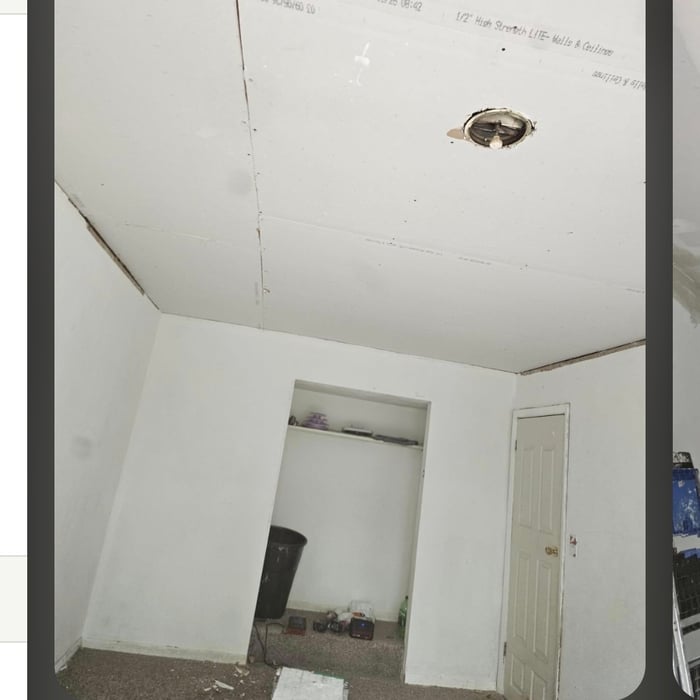



Top-rated drywall pros.

Get matched with top drywall pros in Port Byron, IL

Enter your zip and get matched with up to 5 pros

Need a pro for your drywall service project in Port Byron, IL?

Select your specific project to find the pro for you.

TRUSTED BY PORT BYRON, IL HOMEOWNERS

  • Average homeowner rating star icon4
    Average homeowner rating
  • Verified reviews icon16
    Verified drywall services reviews

Find Drywall pros in Port Byron

Avatar for Next Gen Construction
Next Gen Construction
4.7(
15
)
Drywall - RepairDrywall - InstallDrywall - Install - For Business+1 more

Serving Port Byron, IL and surrounding areas

Approved

Super Service Award Winner

In business since 2024

Free estimates

Emergency services offered

"Quit simply, the best! Fair price, cordial, and on time. In addition, he assisted with another project I needed done that day. Hired again to install a ceiling fan on a high ceiling. I will reach out time and time again for the assuredness of a job well done!"
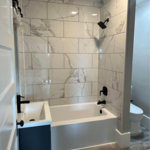
Modern Bathroom Remodel
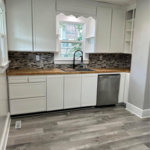
Modern Kitchen
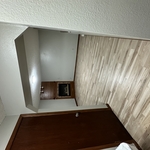
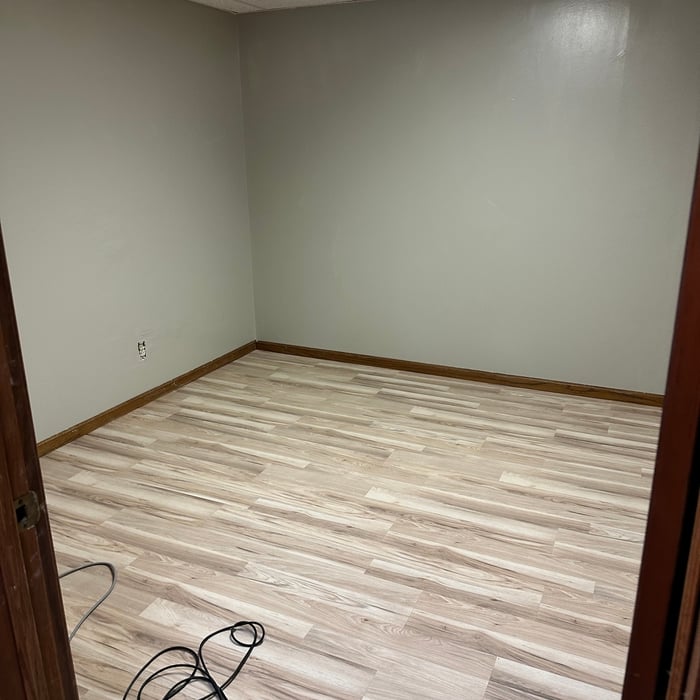
Basement remodel
Basement remodel
Basement remodel

+8

Response time2 days
18 neighbors recently requested a quote
Recommended by33%of homeowners
Avatar for Hicks Home Services
Hicks Home Services
5.0(
1
)
Drywall - RepairDrywall - InstallDrywall - Repair - For Business

Serving Port Byron, IL and surrounding areas

Approved

In business since 2020

Free estimates

Small jobs welcome

"Phil is absolutely the best at what he does! He is multifaceted, extremely knowledgeable, and truly goes above and beyond. I was extremely impressed with his expertise and professionalism, and I will most definitely be using his services again. Highly recommended!"
Bathroom
Bathroom
Finish basement drywall
1 neighbors recently requested a quote
...
Showing 1-10 of 94
Drywall questions, answered by experts

Yes, you can install drywall over plaster, but there are important factors to consider. While it can create a smooth, flat surface, it is often not the best approach. Installing drywall over plaster will increase the wall's thickness, which can cause issues with existing window and door frames that may no longer fit. You might also need to adjust power outlets to keep them accessible. A better, though more expensive, option is to remove the old plaster and lath entirely before installing new drywall. Drywalling directly over plaster seals in the old material, and if any problems arise later, you will need to remove both layers down to the structural beams for repairs. Given the potential complications, this job is best handled by professionals.

Plaster is a pretty tough surface, but it can still sustain damage from things like bumping against it, water issues, dampness, extreme humidity changes, and plain old age. Most plaster walls last hundreds of years and will only be taken down to the base layer when major repairs are required. Being cautious around the wall, not placing furniture against it, and ensuring stable humidity are all great ways to reduce possible damage.

You’ll want to inspect your plaster walls for signs of damage before painting. If you notice soft spots, deep cracks, bubbling, or areas where the plaster is crumbling or pulling away from the wall, it likely needs repair. While small hairline cracks are common and likely cosmetic, you should address larger issues before painting to ensure a quality, smooth finish.

Costs depend on labor, material quality, wall preparation, and finishing requirements.

Although they have similar applications, spackle and joint compound are not the same. Their primary differences lie in their composition, consistency, and ideal use cases.

Spackle is composed of gypsum and binding agents, making it thicker than joint compound. It dries quickly and is easy to sand, which makes it ideal for small wall repair projects like filling nail holes or patching minor damage.

Joint compound, also known as drywall mud, consists of limestone and gypsum. It is primarily used for large-scale projects, such as taping and finishing the seams on newly installed drywall. It tends to shrink more than spackle and can be more difficult to spread.

While both products can be used to fill small depressions and cracks, spackle cannot replace joint compound for taping and mudding new drywall. Conversely, you can often use joint compound for small patching jobs typically done with spackle.

The Port Byron, IL homeowners’ guide to drywall services

From average costs to expert advice, get all the answers you need to get your job done.