


Top-rated structural engineers.

Get matched with top structural engineers in Pleasant Plains, IL

Enter your zip and get matched with up to 5 pros

Need a pro for your structural engineering project in Pleasant Plains, IL?

Select your specific project to find the pro for you.

Find Structural engineers in Pleasant Plains

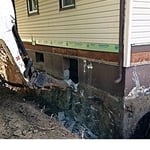
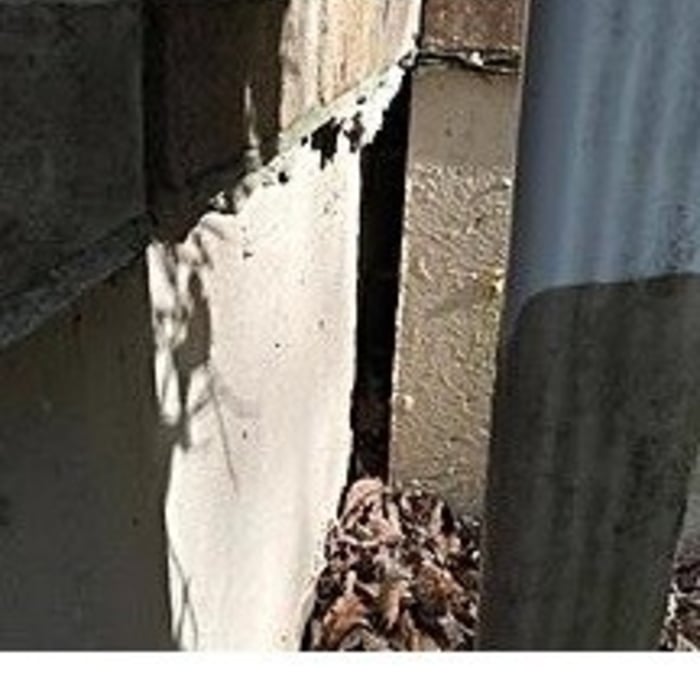
We fix bowed walls, offer piering for foundation settlement and fix any & all foundation cracks. We also do structural repair.


Avatar for EHM

EHM

4.50(
16
)

EHM

4.50(
16
)
Customers say: Quality work
72 years of experience

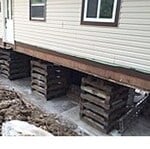
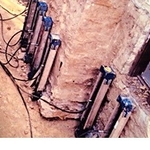
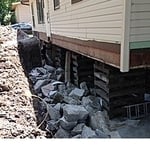
EHM is a structural moving and elevating company that also specializes in foundation repair and replacement. We have been working in the Midwest since the Great Floods of 1993. We specialize in severely comprised foundation issues. We can elevate, level, pier or replace a wall or your entire foundation. We do not do mudjacking, waterproofing or minor crack repair.

"I did not get the service that we originally talked about I am very unhappy"

Donna S on August 2021

EHM is a structural moving and elevating company that also specializes in foundation repair and replacement. We have been working in the Midwest since the Great Floods of 1993. We specialize in severely comprised foundation issues. We can elevate, level, pier or replace a wall or your entire foundation. We do not do mudjacking, waterproofing or minor crack repair.

"I did not get the service that we originally talked about I am very unhappy"

Donna S on August 2021

Structural Engineering questions, answered by experts

Trusses and rafters each have advantages and disadvantages, so one isn’t necessarily better than the other. For example, trusses are more affordable and often come in prefabricated kits, so they’re easier to build than rafters. However, rafters are available in a variety of designs, so it’s easier to find one that fits your style preferences. Plus, if you want to build an attic at some point down the line, it’s far easier to do that with rafters rather than trusses.

The process of hiring a structural engineer starts by finding reliable professionals in your area and comparing quotes from at least three of them. From there, you can narrow down your selection by asking some leading questions:

  • Do you have experience working in my specific area?

  • Do you have professional indemnity insurance?

  • What will your structural report cover?

  • Do you charge a flat fee for a structural report or by the hour?

  • How long have you been in business?

  • Do you have a list of customer references?

All foundations have footers, including monolithic slabs. In some cases, the foundation itself acts as the footer, as in the case of a floating slab and a monolithic slab. With a monolithic slab, the footers—which are just the bottom-most portion of the foundation that distributes loads down to stable soil—are a part of the main slab and are constructed with a single pour.

The National Association of Home Builders requires repair of any foundation crack of more than one quarter of an inch, although local regulations may vary. In general, any visible crack that is growing in size, allowing water through, or that you have just noticed, is a good reason to call a structural engineer. Cracks can be a sign of a sinking foundation, so an inspection is a good idea for your peace of mind.

It’s possible to drill into an LVL beam, but you should always avoid it. LVL beams are major structural components of your home, and drilling into them can weaken them and lead to cracking over time. If you need to drill into an LVL beam, consult a structural engineer. They’ll know the bit size, depth, and directionality that’s safe to use when drilling.

The Pleasant Plains, IL homeowners’ guide to structural engineering services

From average costs to expert advice, get all the answers you need to get your job done.

What do you need done? We’ll find top pros.
  • 🌱 "Mow a small front yard"
  • 🛠 "Fix a leaking pipe under the sink"
  • 🏠 "Repair shingles on an asphalt roof"