
•
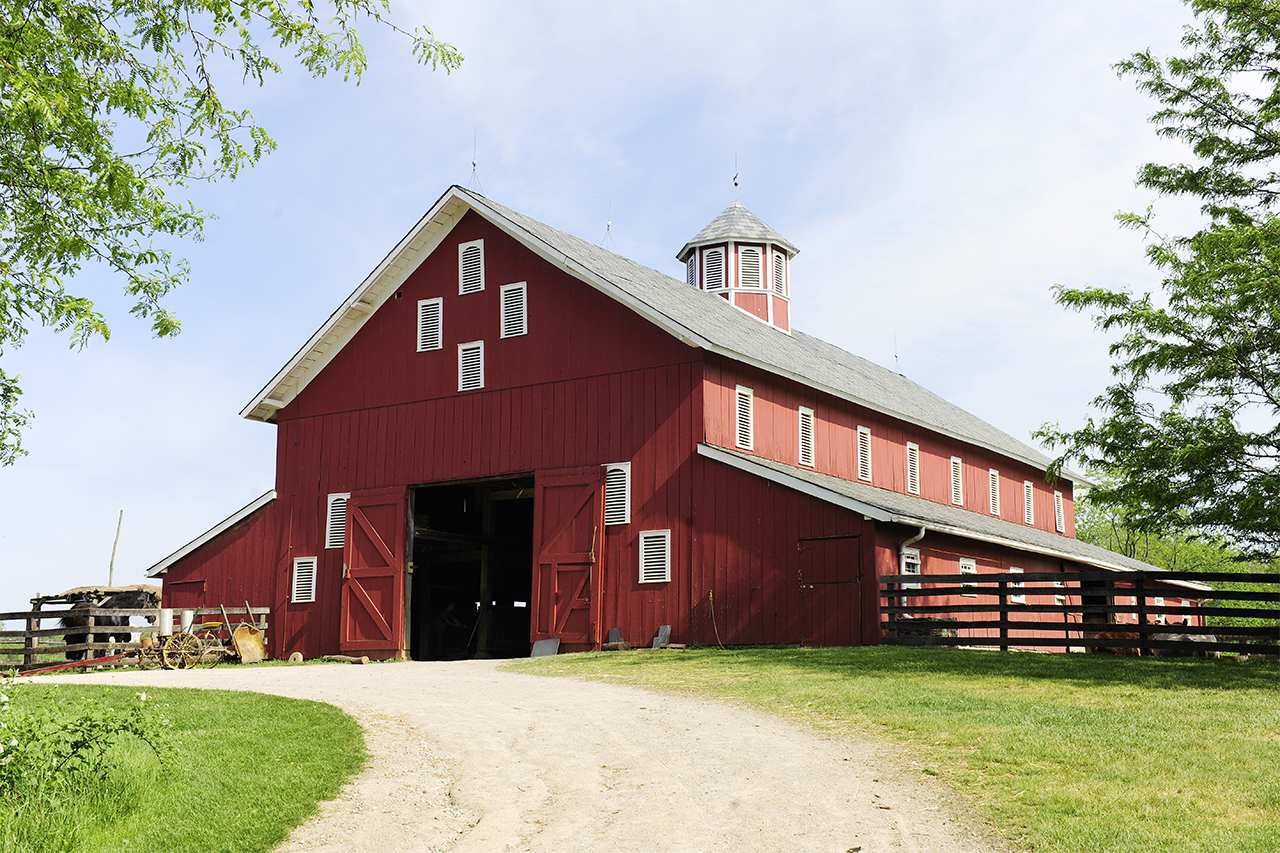
Get expert insights on barn roof repair cost, including average prices, cost factors, and ways to save. Learn what impacts your barn roof repair cost and how to budget.
Should you trust the truss or rely on the rafters?

Rafters versus trusses both support your roof structure, but rafters are built on-site for custom designs while trusses arrive prefabricated for faster installation.
Roof trusses cost $5 to $14 per square foot installed, while rafters cost $7 to $30 per square foot installed, making trusses the more budget-friendly option.
Your choice between rafters and trusses depends on your budget, timeline, attic conversion plans, and whether you need custom roofing designs or standard configurations.
Hiring a local roofing professional keeps your project on track with proper installation and structural support, especially when navigating complex rafter builds or truss placement.
Designing a new home is no easy feat, and every detail matters, right down to the choice of structural components that hold up and support your roof. Roof rafters, a timeless option, provide expansive vaulted ceilings but can be costly. On the other hand, trusses, which are gaining popularity, are prefabricated webbed units that offer a more budget-friendly alternative but may limit how you can use your attic space down the line. By understanding the pros and cons of trusses versus rafters, you can make an informed decision about the ideal choice for your home.
Both rafters and trusses support roof structures, but they do so in different ways. Rafters can easily be built to suit different architectural styles, and are easy to convert into attic spaces if desired. They are also typically built on site, which eliminates the need for tricky transporting and can be a boon for those building in remote locations.
On the other hand, there are fewer types of trusses than rafters, so they are limited design-wise. However, they’re more affordable and DIY-able than the alternative, but almost always need to be built in advance of the rest of your roof, which means moving them can be a pain.

Rafters are used in traditional stick-framed roof architecture. Stick-frame roofs have a series of several rafters that run from the ridge of the roof to the wall plate of the external wall. These rafters are arranged side by side, providing a sturdy framework to support the roof deck, shingles, or other roofing materials.
When opting for roof rafters during home design, a professional company will custom-cut all the necessary lumber directly at the construction site. Ceiling joists are employed to secure the rafters and connect them to the exterior walls, while the ridge board or ridge beam provides additional support at the highest point of the rafters.
While rafters can be made from steel, this material is more commonly used in commercial structures rather than residential homes. Rafter boards tend to be wider compared to trusses, typically using dimensions such as 2x8s, 2x10s, and 2x12s as the most common rafter sizes. In contrast, trusses are typically constructed using 2x4s, though trusses can be constructed in wider spans than rafters.
| Pros | Cons |
|---|---|
| Remote-location friendly | Higher cost |
| No pre-planning required | Long building time |
| Easier to insulate | Weather risk |
| Simple conversions | Requires specialists |
One of the biggest draws for this roofing option is that it can be built on-site, which means you don't have to worry about shipping a pre-built structure to a remote or difficult-to-access location. By contrast, trusses are often constructed elsewhere and may need to be airlifted by helicopter to reach their final destination. A benefit is that you don't have to do as much planning ahead of time—when your roof is built, your rafters will be, too.
But those aren't the only reasons you may want to choose rafters over trusses. These roof support beams might not have built-in insulation, but it's not hard to add this extra feature. Plus, thanks to their shape, they offer more space within the roof itself, which allows you to convert it into an attic later on.
Although you won't have to worry about the expenses involved in shipping completed rafters to a remote destination, this perk comes with a price—you'll pay more for all the labor and materials involved in building them on-site. What's more, this process will take longer than relying on prefabricated trusses, so you'll need to dedicate at least one extra week of building time to roof construction as a whole. Similarly, this lengthy process puts unfinished rafters at a greater risk of damage from bad weather, so try to plan a project like this when rain or snow is unlikely—but stock up on protective tarps just in case.
Finally, fewer roofing contractors know how to build rafters thanks to trusses' rise in popularity. That means it may take longer to find a roofing contractor near you or local general contractor who is willing to take on the job.
Best for:
Anyone interested in converting their roof to an attic
Those building a home in a remote location

Truss-framed roofs are made from pre-fabricated, pre-built truss units. These units are triangular in shape, and form a webbed pattern to support the roof. Roof trusses have three main parts: top chords, bottom chords, and web bracing. The size of the truss depends on the weight it is meant to support, the spacing between the individual trusses, and the span of the truss.
Roof trusses are made from wood, steel, or a combination of both materials.
| Pros | Cons |
|---|---|
| Convenient kits | Hefty weight and size |
| Stronger | Difficult to transport |
| Cost-effective | Limited design options |
Trusses offer convenience because they're often sold in prefabricated kits that are relatively easy to put together. This alone can help you save on labor for roof framing costs, but trusses are also simply less expensive than rafters in general—and perform just as well. In some cases, they're even stronger than their competitor because they're built of a webbing structure that provides extra support for heavier roof materials.
The webbing in trusses is great for supporting a heavier roof, but they're bigger and weightier than rafters. Add on the fact that they often come pre-assembled, or need to be constructed away from the building site, and all of this can make them difficult to transport—especially if your new home is in a particularly hard-to-access place, like in the mountains or on the coast.
Limited design options are another big downside to this roof support option. Unlike rafters, which can be built to suit any kind of setup, prefabricated trusses don’t offer a lot of variety and, in most cases, only work with flat ceilings. There’s also no way to convert them into an attic down the line, so keep that in mind before making your final choice.
Best for:
Those looking for a cost-effective alternative to rafters
Anyone looking for a little more convenience for their roof build
Evaluating key factors like cost, ease of installation, and strength can assist you in determining the optimal choice between rafters and trusses for your roof.
Rafters can be made to suit many different architectural styles, which is why so many people prefer them for aesthetic reasons. They can be built to accommodate everything from high, vaulted ceilings, to more standard flat ceiling setups—the choice is yours with an option like this.
Trusses are nearly impossible to convert after they’ve been installed—their complex webbing doesn’t leave much space and makes any that does remain that much more difficult to access. But rafters are designed with future attics in mind. Their characteristic arched wood panels provide plenty of space for creating a cozy hideaway or a place to store all your extra belongings.
Roof trusses are more wallet-friendly, coming in at $5 to $14 per square foot, installed, while roof rafters are $7 to $30 per square foot, installed. The final price will be determined by a number of factors, including the size of the roof, material, and labor costs where you live—labor costs are usually higher in urban areas. In addition, for trusses, you’ll need to factor in shipping costs as they are prefabricated then delivered to the construction site/home.
While it’s true that it’s easier to transport rafters because they’re built on-site, this doesn’t necessarily mean they're easier to install overall. In order to ensure the work is done well and up to code, you’ll need to have very experienced workers at the building location to carry out the assembly and installation. Since most trusses are prefabricated, the work is already done when it arrives at the construction site. That said, they are quite large and might require the assistance of a crane to get to the top of your home. Some, however, are very DIY-friendly—especially if you’re working with a smaller structure—and come with detailed instructions for spacing and fastening.
Because the trusses are measured-and-cut before coming to the construction site, you’ll need to factor in the time it takes to place the order and for it to be delivered. It can take anywhere from two to six weeks for your trusses to arrive, but the installation, once they have been delivered, moves rather quickly—sometimes in just one day. Rafters, on the other hand, usually require one week minimum for assembly and installation, but you don’t have to factor in the time for delivery as the construction is done on-site.
Trusses, with their triangular webbing structure, offer more support than rafters that can support more weight and can keep a structure sound with fewer load-bearing walls than rafters require. This also means they’re a better pick for locations that experience a lot of extreme weather, as they’re less likely to sustain damage from factors like heavy rain or snowfall.
Rafters may be the more energy-efficient option during construction because they’re built on-site and don’t need to be transported by excessive fuel-consuming means (like via a wide-load truck or crane). However, rafters don’t offer much insulation on their own, whereas trusses provide plenty plus better ventilation because of how they’re designed. This means that choosing them will reduce what you pay in energy bills without the need for extra work or additional installations.
C.E. Larusso contributed to this piece.
Mitchell and the crew were top tier i am so happy with my new roof
 Home Genius Exteriors
D1 Roofing delivers outstanding service from beginning to end, backed by a strong warranty and expert teams. I highly recommend them for their excellence in meeting and surpassing expectations with unmatched communication. Choosing D1 Roofing was flawless decision
 Division 1 Roofing LLC
This place took $25,000 for a flat roof job with a five-year warranty and never returned to fix the leaks that were caused by their work. These people are not professionals and should not be doing this type of work. They incorrectly changed the pitch of the roof, and caused more damage than...
The technician was very professional and friendly. He answered all my questions and was very thorough. He left the fireplace area very clean . He inspected from the roof and advised me as to other work that might need to be done. There was no pressure there. I was very satisfied with the...
 Supreme brick & chimney
I am really impressed with their timeliness and turnaround. Mitchell came out, and we decided to move forward with their pricing. Our roof was on within a week, and we could not be happier with their team! Amazing company, great prices and honest, dependable craftsmanship. I highly recommend...
 Window Depot USA of Central Ohio
Manuel Calvillo is the best option in the area for roofing and you won't be disappointed.
They damaged multiple items on my property, including a marble slab used as a table top, tried to hide it, and refused to pay or replace. Arrived day one without a ladder to access roof & delayed a day. Left a mess in back yard; didn't wear face masks; no show by owner to property to see damages
 Grants Tree Service
I've hired Gary/Cherokee Roofing for two different homes, work quality, responsiveness, and completion have been great both times. And the prices quoted were very competitive. I would definitely hire again.
Lyle did a great job removing asbestos shingles from our front porch roof. They worked together with our roofer to make sure that the new roof was able to be installed on the same day that Lyle removed the asbestos shingles.
 Lyle Environmental
Bradley Builders did a good job replacing the roof on our front porch. They color-matched the existing shingles on the rest of the house and installed a metal ridge roll since we live in a historical neighborhood. They did the job while we were out of town. When we got back, everything was...
 Bradley Builders, Inc.
From average costs to expert advice, get all the answers you need to get your job done.
Get expert insights on barn roof repair cost, including average prices, cost factors, and ways to save. Learn what impacts your barn roof repair cost and how to budget.
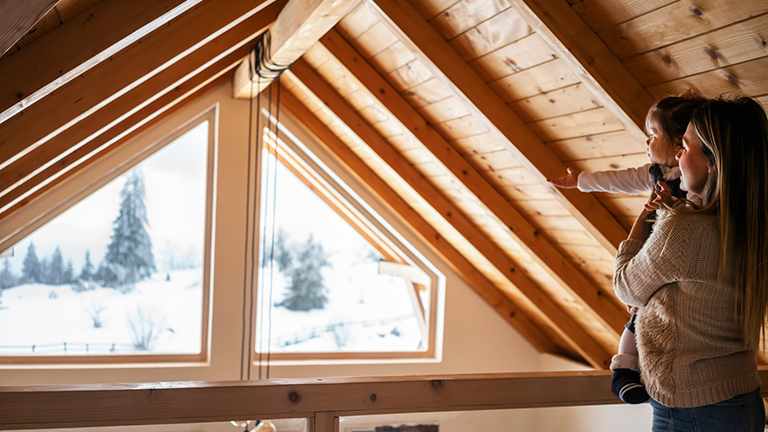
Roof trusses are the literal backbone of your roofing system, and replacing one can get costly. Use this roof truss cost guide to set your budget properly.
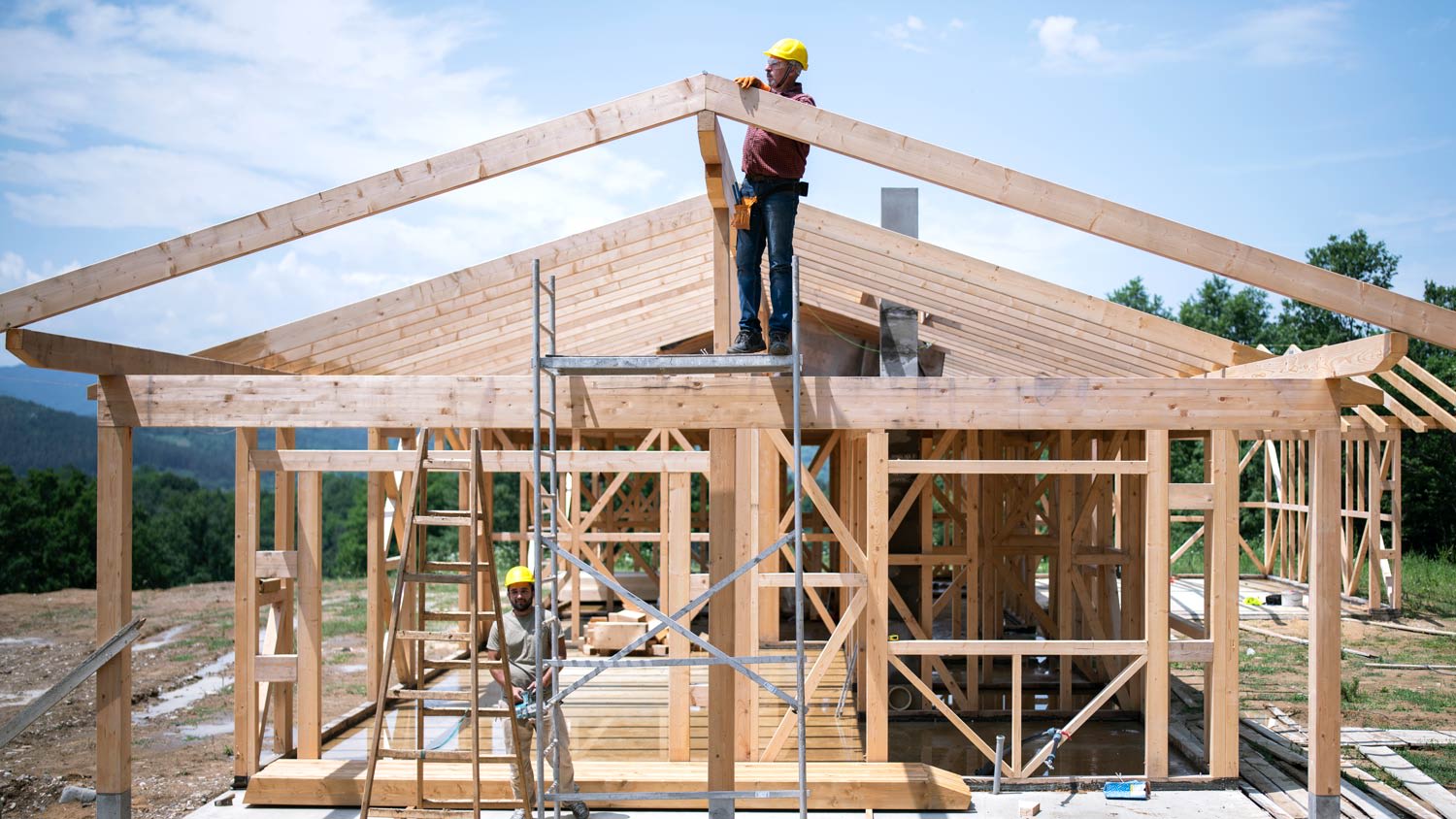
Discover common roof framing cost factors, including the differences between rafter and truss designs, to estimate the cost of your new roof.

If you’re wondering what a roof truss is, learn about them in this guide, including durability, cost-effectiveness, and what makes them different from roof rafters.
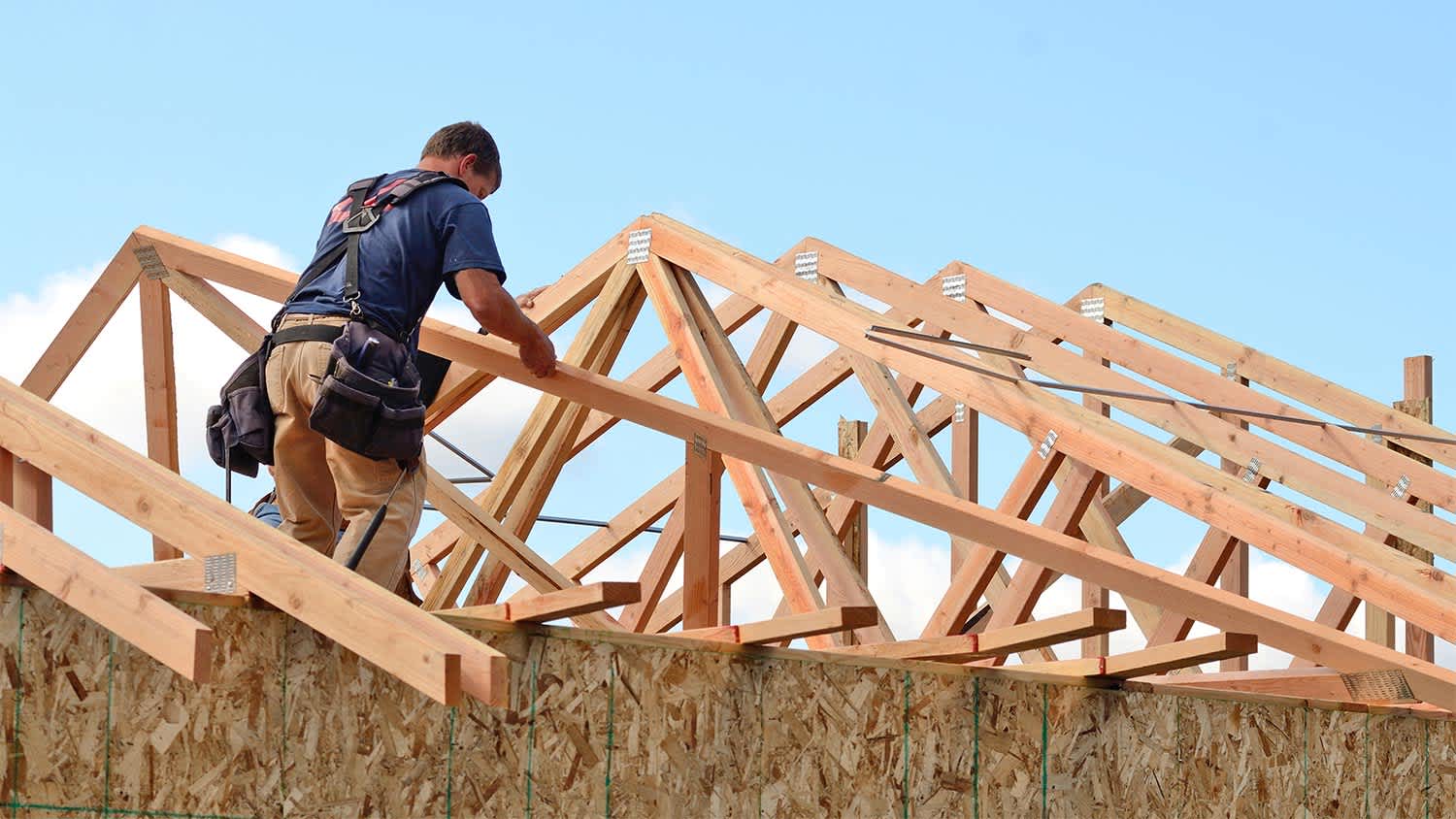
Building a roof is a serious but rewarding project. If you're up to the task, use this step-by-step guide to learn how to build a roof without the help of a contractor.
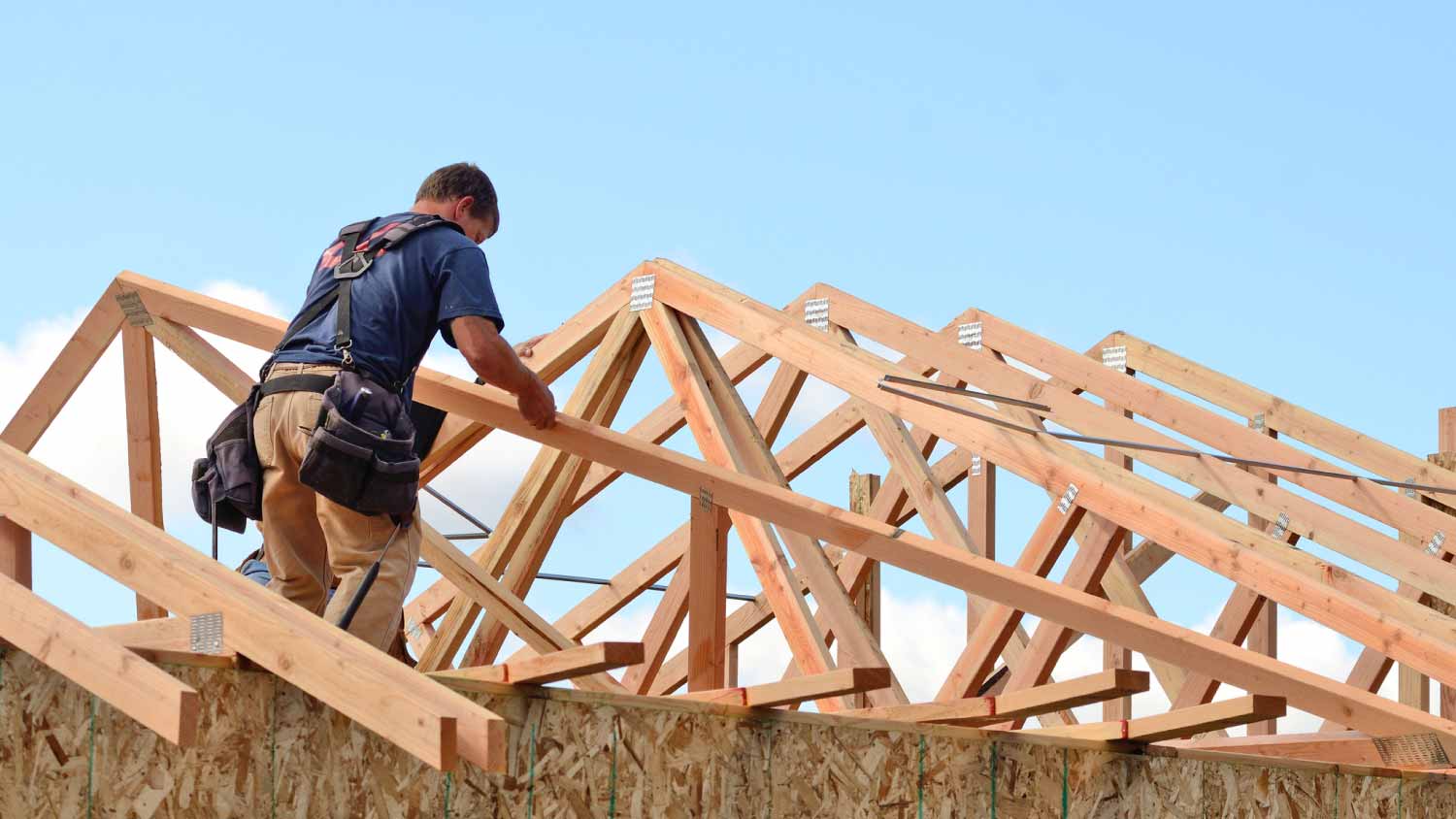
Learning how to cut rafters correctly for your roof strengthens your building’s frame. We’ll explain everything you need to know, including the birdsmouth cut.