


Top-rated energy efficiency auditors.

Get matched with top energy efficiency auditors in Oblong, IL

Enter your zip and get matched with up to 5 pros

Need a pro for your energy efficiency auditing project in Oblong, IL?

Select your specific project to find the pro for you.

Find Energy efficiency auditors in Oblong

Avatar for USA Insulation of Indianapolis
USA Insulation of Indianapolis
4.0(
73
)
Energy Audit - For BusinessHome Energy Audit

Serving Oblong, IL and surrounding areas

In business since 2009

Free estimates

Credit card accepted

"If you're looking for an A-player insulation contractor, I would recommend looking elsewhere. 
The energy consultant arrived on time and was friendly.   The estimate process was somewhat of a joke.   Basically, whatever I pointed to and said I'm interested in having something done, his response was "yeah we can do that" and then quoted some #'s from his head.   Really didn't take any time to look at anything in depth.  Didn't even go in the crawlspace to really see the extent of what needed to be done.   This compares to another company that came out and did blower-door test and used infrared thermometer equipment to check for heat loss (no charge).
The energy consultant said he would follow up with a quote via email.   I received nothing and checked junk mail folders.   I emailed for follow-up on my own and was told I would be contacted by a specialist. 
Specialist called and wanted to give me the hard sell on how they really wanted to stop by when my wife would be home.   I work in high-tech sales so I understand why they want to do this.  However, it's a huge red flag to me and exposes how they conduct their business, which is not how I conduct business. 
 

"
Recommended by81%of homeowners
northshore pressure washing
New to Angi
Energy Audit - For BusinessHome Energy Audit

Serving Oblong, IL and surrounding areas

In business since 2011

Free estimates

We are one of the largest energy consulting companies in the country. We offer Free Energy Forcasts to businesses across a wide variety of climate zones. When implemented, our recommendations can consistently save you 17-22% on your energy costs, in the first year. We offer a variety of products, from an all-inclusive fixed product, to a variable option and a hybrid. Call today to see what solutions we can offer you! References are available from very happy clients.

Energy Efficiency Auditing questions, answered by experts

The difference between an energy auditor and a home inspector is primarily in the purpose of the inspection. The energy auditor conducts tests in your home to determine the energy efficiency levels in areas like windows, insulation, and doorways. The auditor then makes recommendations for ways to improve a home’s energy efficiency. 

A home inspector examines various structures of your home to determine that everything is up to code and gauge the condition of features like the roof, foundation, HVAC, and electrical. The home inspector reports on the overall home and makes repair recommendations.

A home energy audit costs about $420 on average, with prices ranging from $100 to $2,250 or more. The final cost depends on factors like your home's size, location, the thoroughness of the audit, and the specific tests performed. A basic Level 1 walk-through inspection typically costs between $150 and $200, while a comprehensive Level 3 audit with detailed testing and a report costs around $900. Homeowners may be able to use the 2022 Inflation Reduction Act’s Energy Efficient Home Improvement credit to cover up to $150 of the audit cost.

Costs for common individual tests include:

  • Blower door test: $350

  • Duct testing: $100

  • HERS test: $375

  • HERS certification: $200

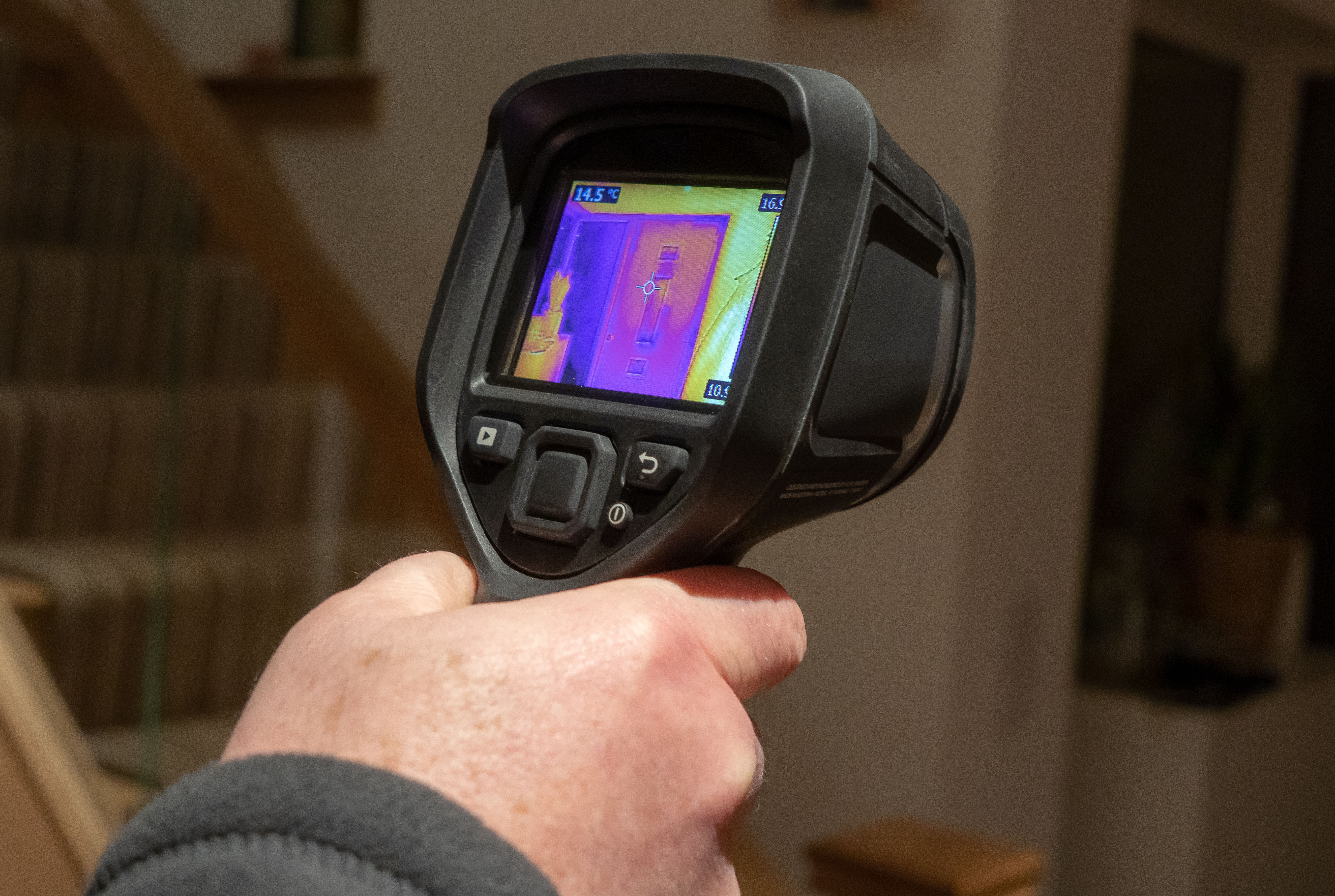
  • Infrared imaging: $200

You can save money on heating oil through a combination of improving home efficiency and smart purchasing strategies.

Home Efficiency and Usage:

  • Improve Insulation: Ensure your home, especially the basement and attic, is well-insulated and sealed against drafts to prevent heat leakage.

  • Manage Your Thermostat: Use a properly calibrated and programmable thermostat. Lower the temperature by a few degrees, particularly when you are away from home or asleep.

Purchasing Strategies:

  • Buy in the Off-Season: Order heating oil during the summer months when prices are generally at their lowest. This strategy is most effective if you have a large primary tank or a separate storage tank to accommodate bulk deliveries.

  • Consider a Delivery Contract: Some companies offer contracts with a set price for the term. This can lead to savings if market prices for oil increase, but you might pay more if prices drop.

ENERGY STAR®-certified windows are the most energy-efficient windows on the market. This certification means that the window meets strict efficiency guidelines set forth by the Environmental Protection Agency. While they might cost more upfront, they can save you money on your energy bills in the long run. ENERGY STAR®-certified windows lower household energy bills by an average of 12% annually.

To determine the right size generator for your house, you should calculate the total wattage of the appliances and devices you want to power during an outage. List all essential items, note their start-up wattages, and add them together.

Here are some typical wattage requirements for common appliances:

  • Refrigerator: 600 watts

  • Large dehumidifier: 700 watts

  • Large window air conditioner: 1,400 watts

  • Water heater: 3,000 to 4,500 watts

  • Electric furnace: 5,000 to 25,000 watts

A 7,500-watt generator might be sufficient for essentials like a refrigerator, freezer, well pump, and lighting circuits. However, for high-demand items like a water heater or furnace, a whole-home generator is a better choice. A portable generator may be enough if you only need to power a few critical items.

While home square footage can offer a rough estimate, it is not always a reliable indicator. For reference, here are some typical generator sizes based on square footage:

  • 1,000 sq ft: 6–9 kW

  • 1,500 sq ft: 7–10 kW

  • 2,000 sq ft: 10–14 kW

  • 2,500 sq ft: 12–16 kW

  • 3,000 sq ft: 16–20 kW+

For the most accurate sizing, consult a professional who can calculate your home's peak and average power consumption and recommend the optimal generator.

The Oblong, IL homeowners’ guide to energy efficiency auditing services

From average costs to expert advice, get all the answers you need to get your job done.