




Top-rated paving pros.

Get matched with top paving pros in Minonk, IL

Enter your zip and get matched with up to 5 pros

Need a pro for your paving service project in Minonk, IL?

Select your specific project to find the pro for you.

Find Paving pros in Minonk

Avatar for Local Pavement
Local Pavement
New to Angi

Serving Minonk, IL and surrounding areas

Approved

In business since 2020

Free estimates

Credit card accepted

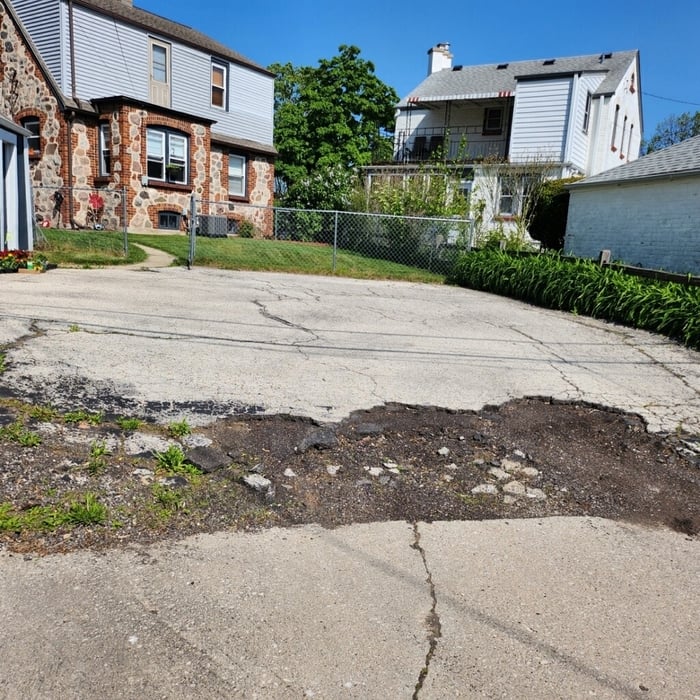
We offer a wide range of services including Sealcoating, Crack Sealing, & Pothole Repair for residential & commercial properties in Illinois & Wisconsin. Our commitment to excellence is evident in the meticulous upkeep of our trucks and facilities, ensuring top-quality workmanship for every project we undertake.\n\nAs a leading asphalt repair provider that is centrally located between Peoria and Bloomington, Illinois, we proudly serve clients across the entire state. With state-of-the-art equipment, a team of experienced professionals, and a dedication to customer satisfaction, we are well-equipped to handle both residential and commercial projects. Whether it's a small driveway repair or a large commercial resurfacing project, our goal is to deliver unparalleled service and quality, making us the go-to asphalt repair specialist throughout the midwest.
Response time1 day
7 neighbors recently requested a quote
Showing 1-10 of 29
Paving Services questions, answered by experts

If your new pavers look dull or unclean, it is likely due to efflorescence, a chalky, white powder that forms when lime in the pavers gets wet. This condition often resolves on its own, as rain will naturally wash it away within about a year. For faster results, you can use a pressure washer to clean the pavers. Alternatively, consider using cleaning products specifically designed to remove efflorescence or applying sulfuric acid crystals.

Asphalt and tarmac are not the same thing. Traditional tarmac, short for tarmacadam, uses tar as a binder to hold crushed stone together. Asphalt uses bitumen—a byproduct of crude oil—to bind aggregate. Though tarmac was once a go-to for roads, asphalt has become the modern standard. And these days, most surfaces referred to as “tarmac” are actually asphalt. So, while the names may overlap, the key distinction lies in the binder—tar for tarmac and bitumen for asphalt.

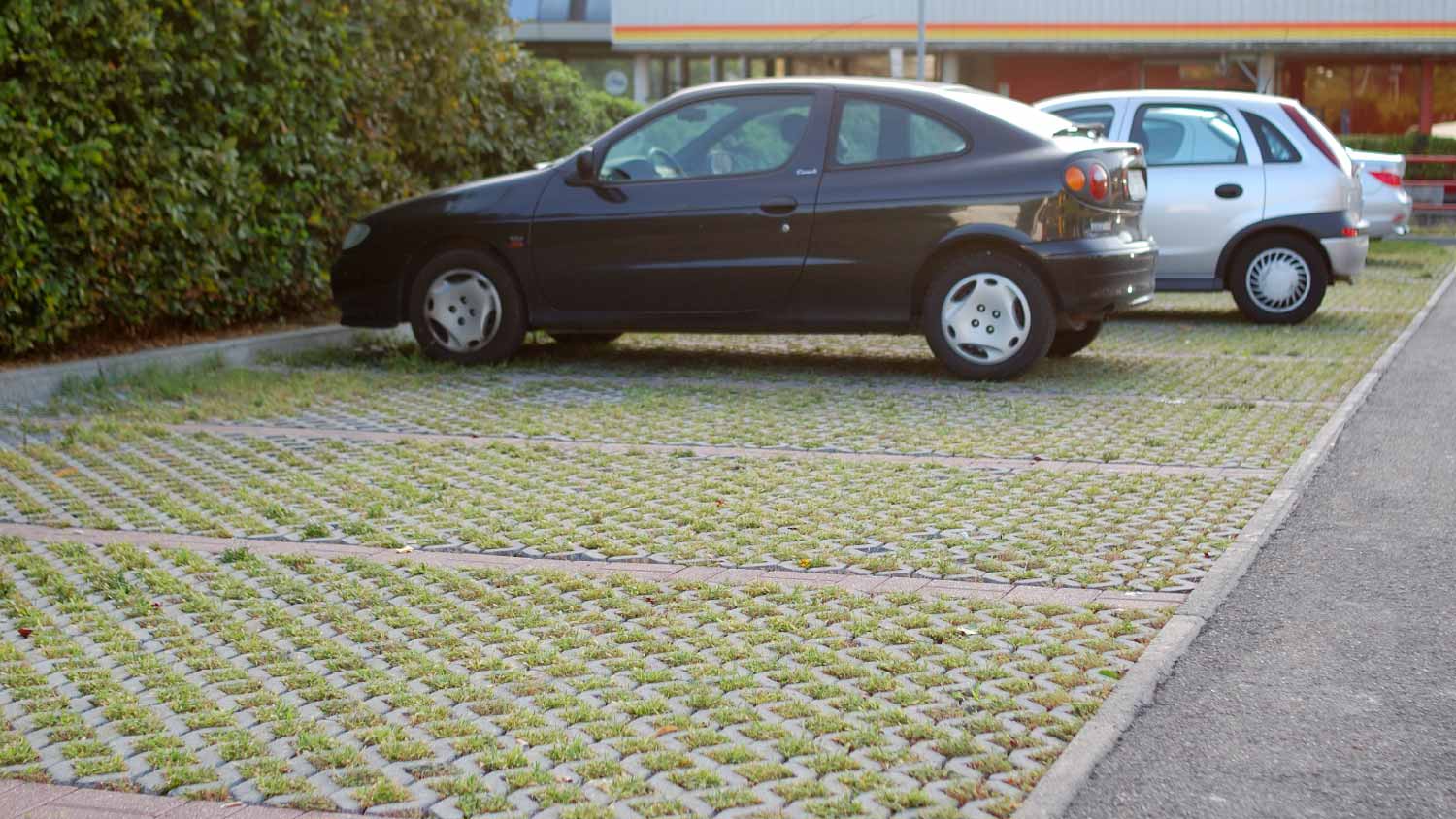
Professional installers often include a deep layer of crushed gravel under permeable pavers to allow more runoff to soak through into the soil below. Many installations will include multiple layers of gravel, with coarser aggregate at the base and finer aggregate that sits on top of that bottom layer. Above the gravel, you’ll often find coarse sand that helps reduce paver shifting over time. Some permeable paver designs include a water collection system set into the gravel layer to route runoff to a safe area for disposal.

You should place a layer of thick landscaping fabric directly over the concrete slab and then a thin layer of leveling sand over that to protect the pavers from moisture. For border pavers, you should plan on locking them in place with polyurethane adhesive. This will prevent them from shifting under foot traffic.

An asphalt driveway should be at least 3 inches thick over a compacted gravel base. Areas with poor drainage should have a thicker stone base. To install a new asphalt driveway over an existing driveway, the new asphalt should be at least 2 inches thick and the existing driveway should be in relatively good condition.

The Minonk, IL homeowners’ guide to paving services

From average costs to expert advice, get all the answers you need to get your job done.