





Top-rated asbestos removal specialists.

Get matched with top asbestos removal specialists in Mapleton, IL

Enter your zip and get matched with up to 5 pros

Need a pro for your asbestos abatement project in Mapleton, IL?

Select your specific project to find the pro for you.

Find Asbestos removal specialists in Mapleton

Avatar for Environmental Services Corp
Environmental Services Corp
5.0(
66
)

Serving Mapleton, IL and surrounding areas

Approved

Super Service Award Winner

In business since 2020

Free estimates

Emergency services offered

"Max and his team were kind, courteous, and got the job done quickly and cleanly. Pricing was very fair and we are so thankful that they serve the central Illinois area, as we don’t have many local companies for asbestos removal."
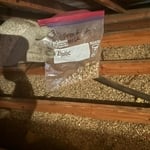
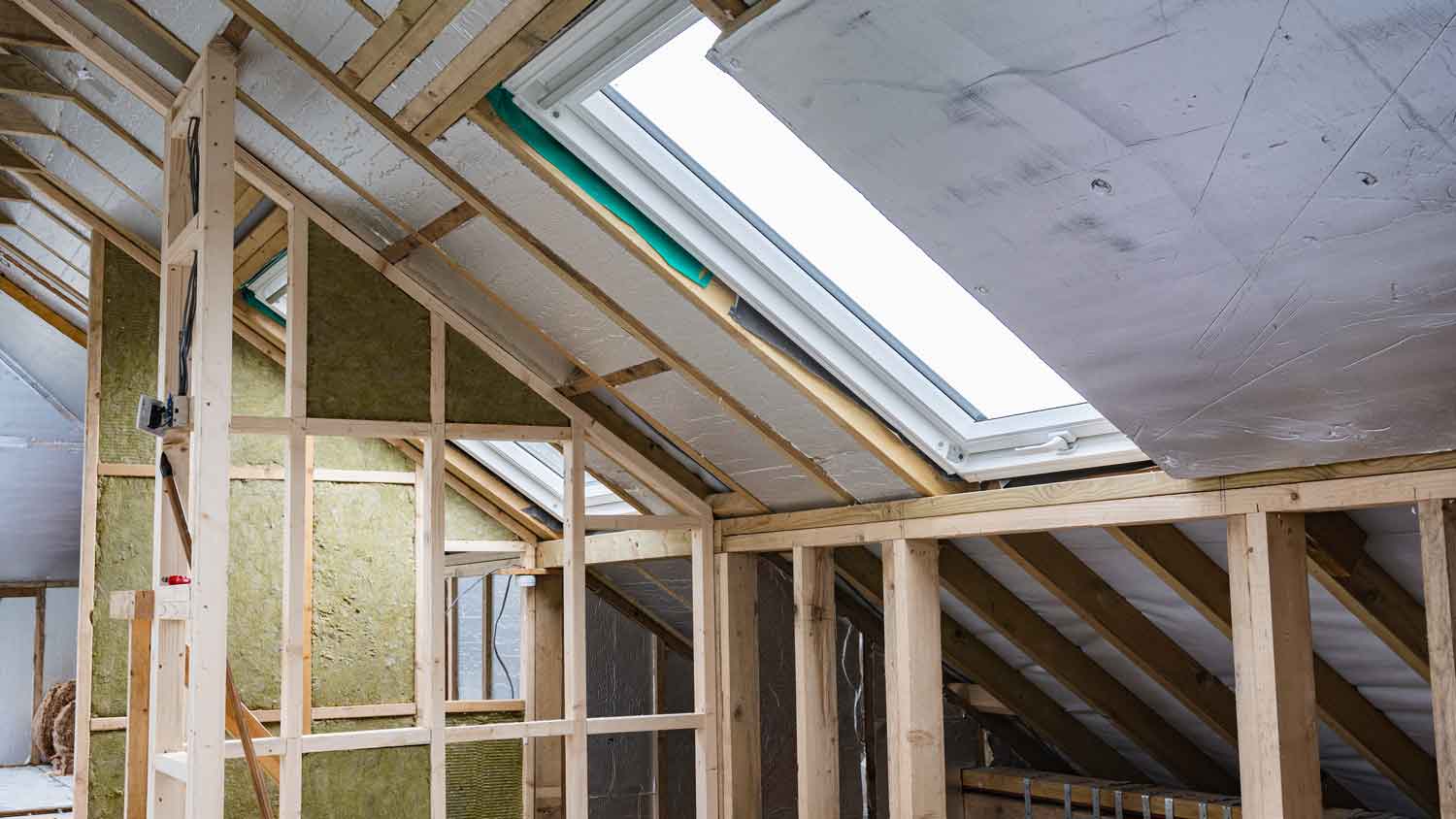
Vermiculite insulation in attic
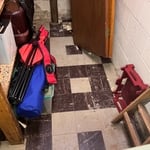
Asbestos Floor tile
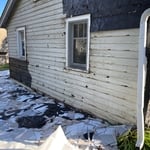
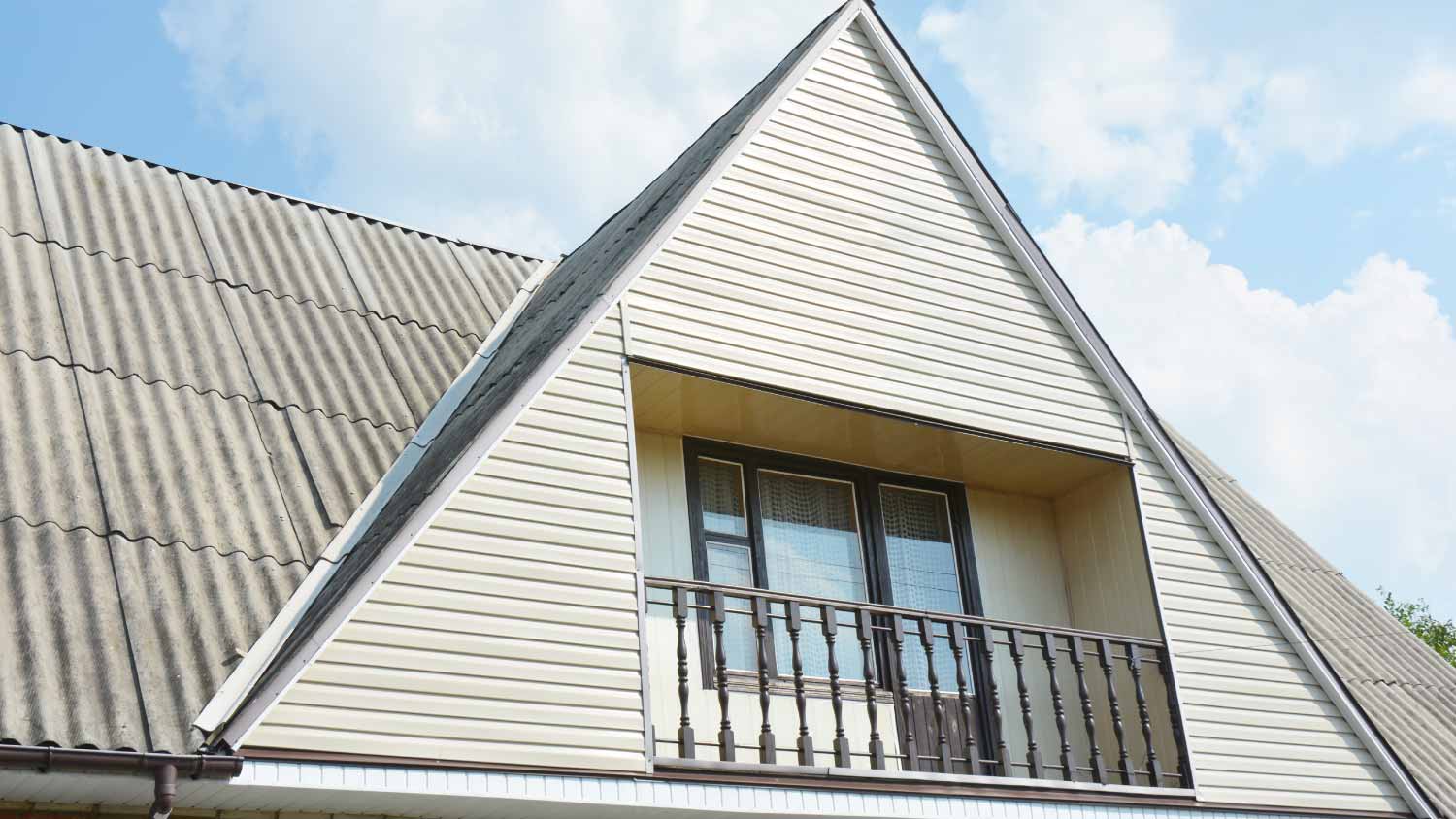
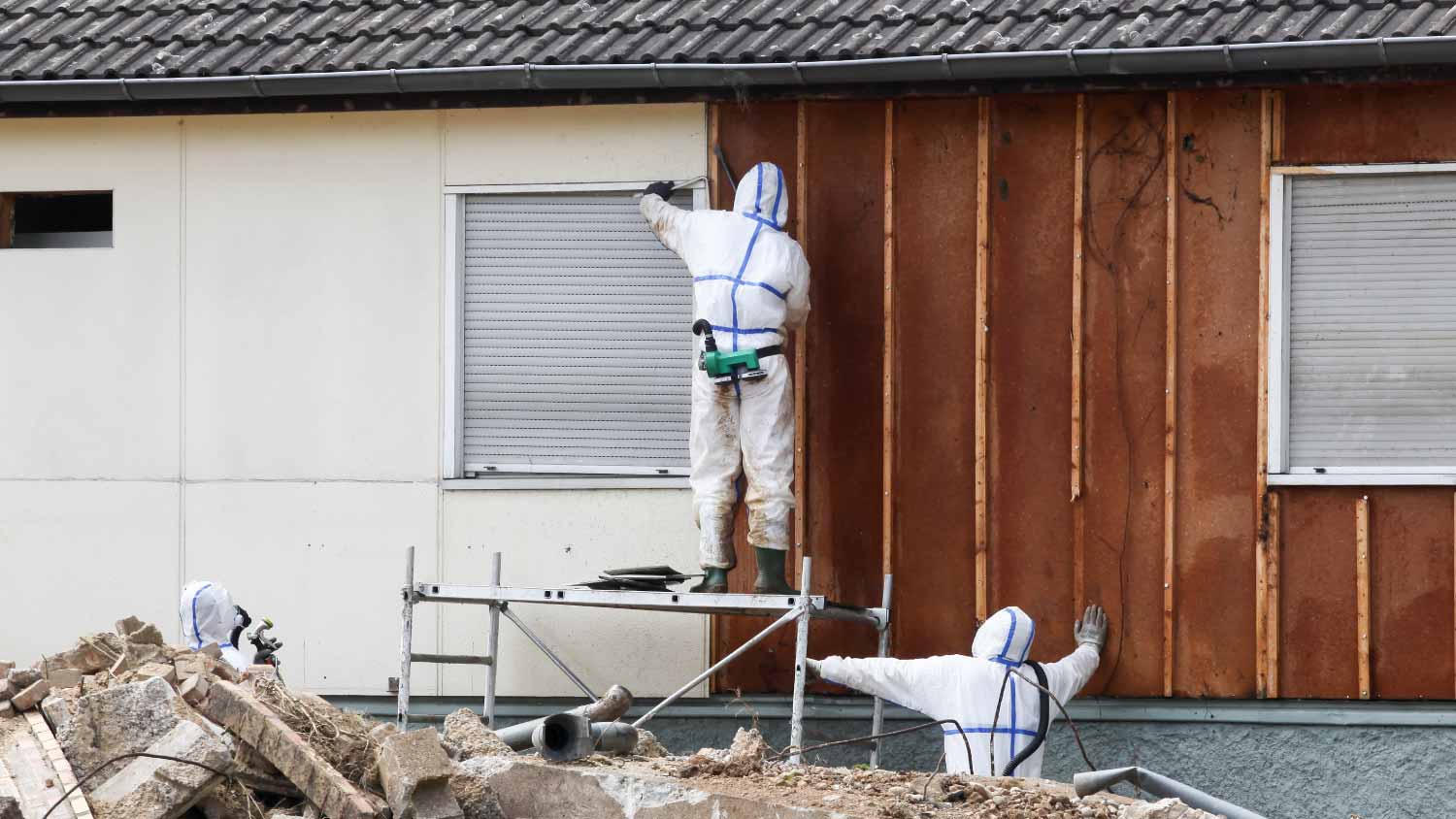
Asbestos transite siding removal
Asbestos pipe
Insulation removal
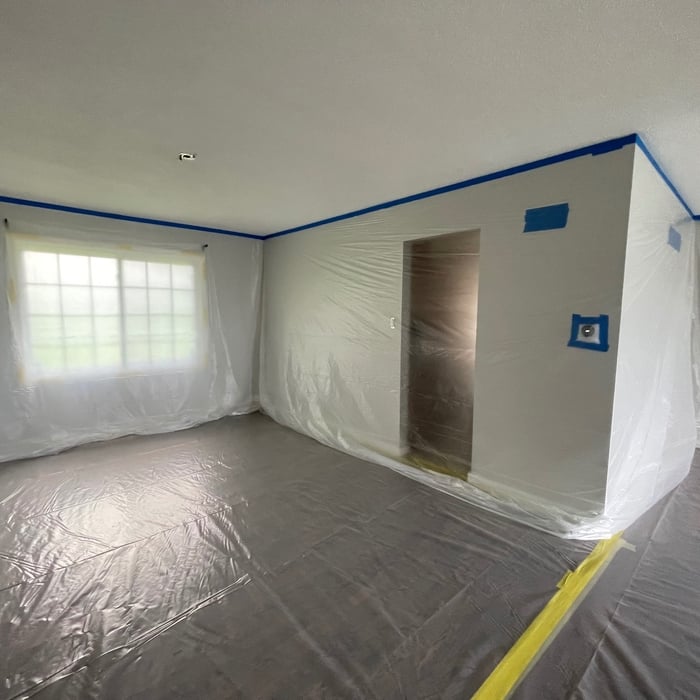
Enclosure for asbestos removal

+56

2 neighbors recently requested a quote
Recommended by77%of homeowners
Asbestos Removal questions, answered by experts

While it's possible to cover asbestos tile with carpet, it's not recommended. Encapsulating tile beneath carpet doesn't eliminate the health risks. Over time, the asbestos tiles could degrade, releasing fibers into the air and potentially contaminating the carpet. Disturbance during carpet installation or removal might also release fibers.

Regulations require certified professionals for removals and disposal in compliance with local and federal guidelines, ensuring safety and legality.

According to the Environmental Protection Agency (EPA), hazardous waste is generally classified into four main categories:

1. Characteristic Wastes: These exhibit at least one of four hazardous traits: ignitability (flammable, like gasoline), corrosivity (can rust or decompose materials, like car batteries), reactivity (unstable and can explode, like aerosol cans), or toxicity (harmful when ingested, like lead-based paint).

2. Listed Wastes: These are specific wastes from manufacturing and industrial processes that the EPA has officially designated as hazardous. They include byproducts from processes that use solvents, pesticides, and other chemicals.

3. Universal Wastes: These are commonly generated hazardous items that are subject to streamlined regulations. Examples include batteries, pesticides, mercury-containing equipment (e.g., bulbs), and some lamps.

4. Mixed Wastes: This category includes waste that contains both hazardous and radioactive components, making it subject to regulation by both the EPA and the Nuclear Regulatory Commission.

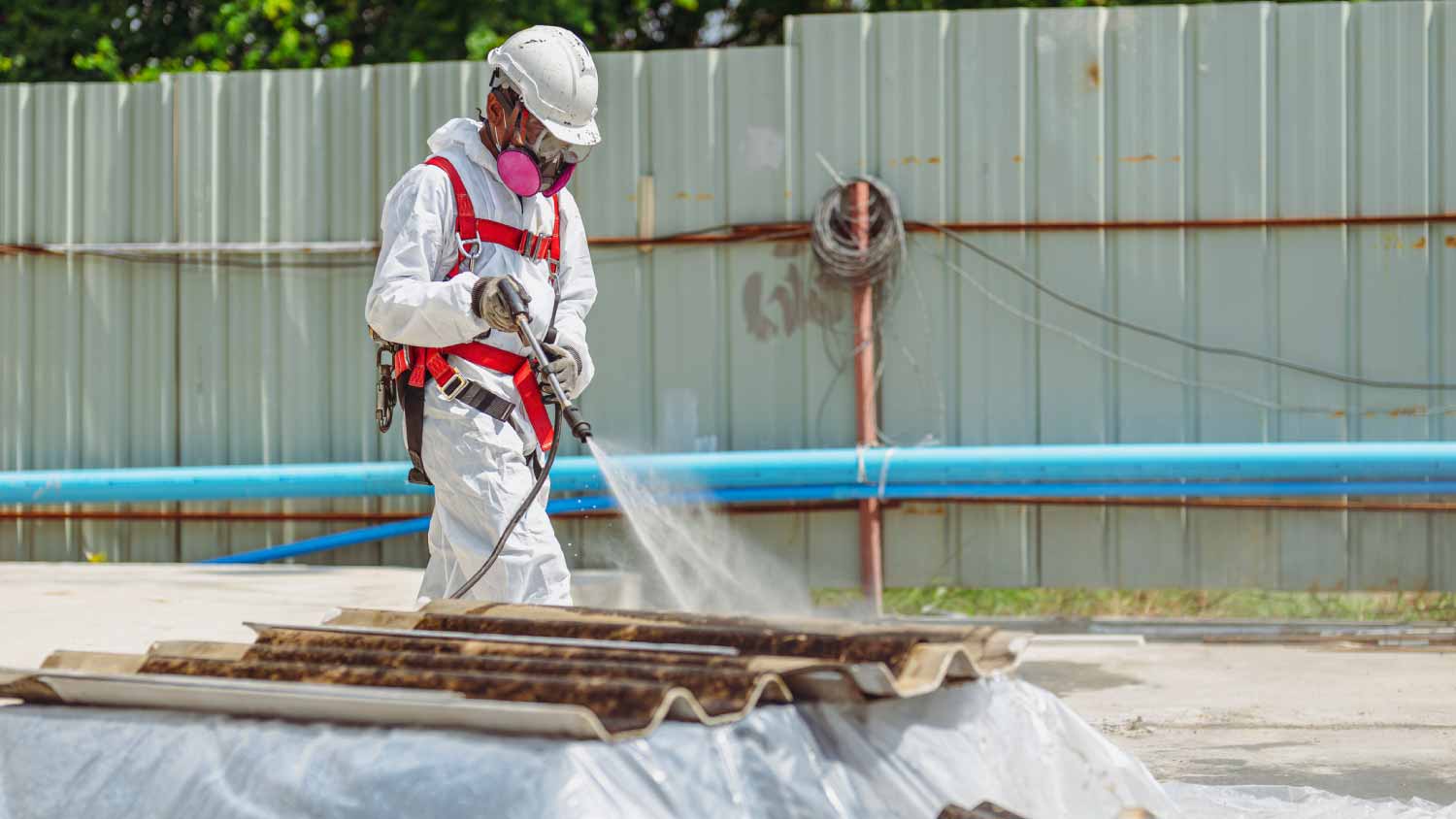
Asbestos-containing materials are not easily affected by water and do not disintegrate or dissolve when exposed to it. However, porous materials can deteriorate due to water exposure, leading to the release of asbestos fibers into the air. The settling of asbestos fibers can also occur as water makes them heavy, which reduces the risk of airborne exposure, though future disturbance of the materials could cause risk. Wetting asbestos-containing materials does not constitute safe removal, and the proper handling and disposal of asbestos materials should be left to professionals.

Asbestos is a carcinogen, meaning it increases the risk of cancer. Inhaling asbestos fibers is linked to several respiratory issues, including asbestosis, or scarring on the lungs, lung cancer, and mesothelioma, another type of cancer. There's also a link between asbestos exposure and an increased risk of colon cancer and other cancers of the digestive system.

Usually, the people most at risk for disease related to asbestos exposure are those who spend a lot of time working around the material without protection. Electricians who work with asbestos wire have a higher risk of developing mesothelioma or lung cancer due to their exposure.

The Mapleton, IL homeowners’ guide to asbestos removal services

From average costs to expert advice, get all the answers you need to get your job done.