


Top-rated radon detection and reduction specialists.

Get matched with top radon detection and reduction specialists in Livingston, IL

Enter your zip and get matched with up to 5 pros

Need a pro for your radon detection and reduction project in Livingston, IL?

Select your specific project to find the pro for you.

Find Radon detection and reduction specialists in Livingston

Avatar for Scope Environmental
Scope Environmental
5.0(
15
)
Radon Gas - Testing

Serving Livingston, IL and surrounding areas

In business since 2023

Free estimates

Small jobs welcome

"TESTING FOR ASBESTOS I need to make sure people know about a man named Jeff Miller Owner of Scope Environmental. I wanted to have my basement checked for Asbestos. This man was absolutely the nicest person. Jeff is a professional, who explained things extremely well and in detail, offered positives suggestions, and extremely knowledgeable. Oh, and extremely honest and helpful. If you ever want to have your basement checked for Radon or Asbestos or Mold, please call this nice man who has a vast amount of experience and knowledge on these three issues. His phone number is 314-220-1810. His pricing is very reasonable and he is Certified in the State of Missouri which is a requirement by the State to do testing. He sure put my mind at peace."
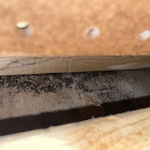
Black mold inside closet
Mold growth in HVAC Closet
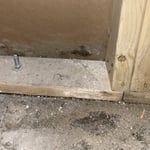
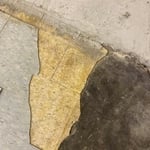
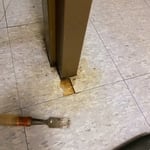
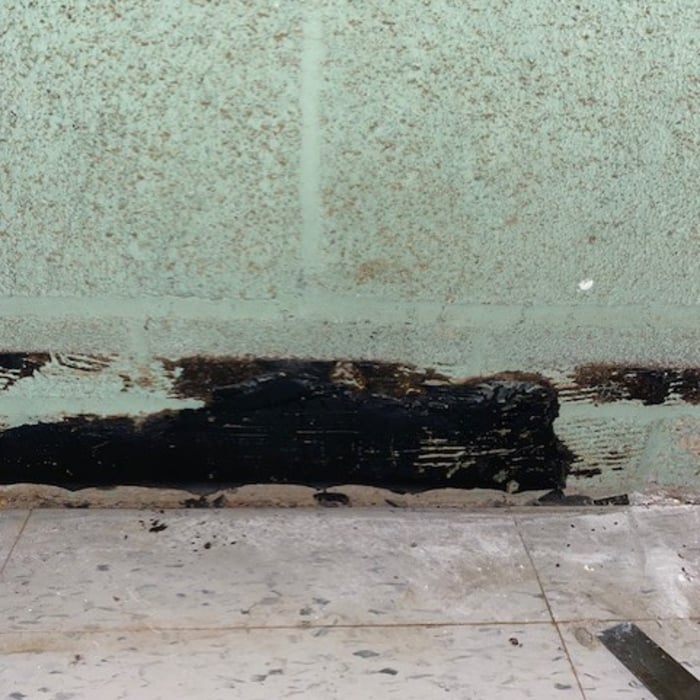
Asbestos Flooring
Floor sample collection
Asbestos Adhesive

+10

Response time4 hrs
Response rate96%
Recommended by73%of homeowners

Radon Detection and Reduction questions, answered by experts

If high radon levels are detected, steps include sealing entry points, installing a mitigation system, and retesting the air regularly to ensure reduced levels.

Your radon fan needs to operate 24/7 to be effective. The only time the fan isn't operating is during its replacement. Radon levels in the home can increase within hours if the fan stops working or something obstructs the stack vent. Fortunately, radon systems require no downtime maintenance between fan changes.

Radon enters your home when warm air begins to rise and exits through the roof, creating a vacuum that pulls cooler air from under the foundation. Part of that air is radon, which is an invisible, odorless gas that develops naturally when radioactive particles are deep within the ground. Those particles usually come from decaying matter in soil and rocks.

Testing every 2-5 years or upon adjusting occupancy or structural changes maintains safe environments.

Your radon mitigation system may be loud because it’s time to replace it. Any sounds are usually from the inline fan that helps create the vacuum and resulting airflow. If you hear a new, loud mechanical or humming noise from your radon fan, it might be time to replace it. Most fans used in radon mitigation systems last up to 10 years, but may need to be replaced sooner.

The Livingston, IL homeowners’ guide to radon detection and reduction services

From average costs to expert advice, get all the answers you need to get your job done.