

Top-rated arborists.

Best arborists near Kenilworth, IL

Enter your zip and get matched with up to 5 pros

Need a pro for your arboricultural service project in Kenilworth, IL?

Select your specific project to find the pro for you.

TRUSTED BY KENILWORTH, IL HOMEOWNERS

  • Average homeowner rating star icon4.5
    Average homeowner rating
  • Verified reviews icon1.6k+
    Verified arboricultural services reviews

Top-Rated Arborists in Kenilworth - Updated Nov 2026

Avatar for Cardenas Landscaping, Inc.
Cardenas Landscaping, Inc.
4.2(
5
)
Tree Stump - Remove

Serving Kenilworth, IL and surrounding areas

Approved

In business since 1994

Free estimates

Offers commercial services

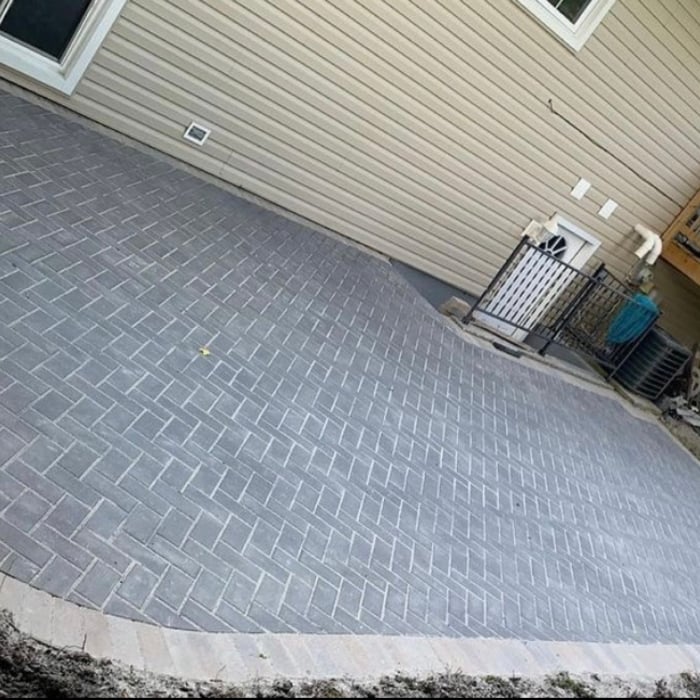
We'’re a locally owned and operated company that values honesty and integrity and treats your home as if it were our own. We offer over 20 years of industry experience and a variety of home improvement services that are customizable to each individual project. We specialize in concrete driveways, sidewalks, & patio installations, and a variety of other projects. We pride ourselves on the quality of our work as well as our commitment to outstanding results. We look forward to building lasting relationships and guarantee your satisfaction! \n \n

Demolition
Footing
Framed wall
Driveway
Brick patio

+5

Response time2 days
Recommended by100%of homeowners
...
Showing 1-10 of 176
Arborists FAQs, answered by experts

The best time to transplant a tree is when it is dormant. For many trees, this means either in the fall after the leaves have dropped (around October or November) or in early spring before new growth begins (around March). The ideal timing can depend on the type of tree. Deciduous trees do well when moved in early spring or fall, while evergreens are best transplanted in early spring or late summer. For example, pine trees are best moved in early fall, but maples prefer late fall. Avoid transplanting in winter, as the frozen or hard, cold soil poses a significant risk to the roots and prevents the tree from acclimating properly.

Trees aren't big fans of moving, and they do go into shock during a transplant. Although most carefully thought-out tree transplants see the tree recover from the shock just fine, there is always a risk of having an unsuccessful move. Proper preparation, timing, and diligent aftercare are crucial to minimize the risks when transplanting a tree.

Homeowners are usually not responsible for trees that fall on power lines. Power companies usually have utility easements around power lines, which give them the responsibility to maintain any trees within about 15 to 20 feet of the lines.

If you don’t stake a tree that needs support, it could be at greater risk of being damaged or failing completely, whether it uproots or falls over. That could cause damage to your property or other surrounding trees. If you want to grow healthy trees, you may need to stake them for best results.

Generally, avoid trimming trees in the summer (with the exception of pruning fruit trees as needed). Trees use a lot of energy in the summer, most of which is relegated to new growth. If you chop it too early, you could stunt the next season's growth. Again, when in doubt, do some research based on the specific tree type.

The Kenilworth, IL homeowners’ guide to arboricultural services

From average costs to expert advice, get all the answers you need to get your job done.