





Top-rated structural engineers.

Get matched with top structural engineers in Groveland, IL

Enter your zip and get matched with up to 5 pros

Need a pro for your structural engineering project in Groveland, IL?

Select your specific project to find the pro for you.

Find Structural engineers in Groveland

Avatar for Advanced Foundation Repair & Replacement
Advanced Foundation Repair & Replacement
5.0(
30
)

Serving Groveland, IL and surrounding areas

Emergency services offered

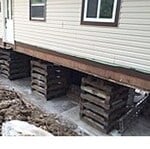
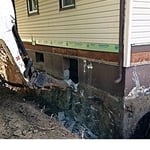
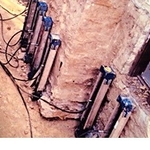
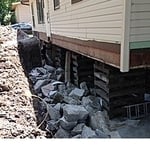
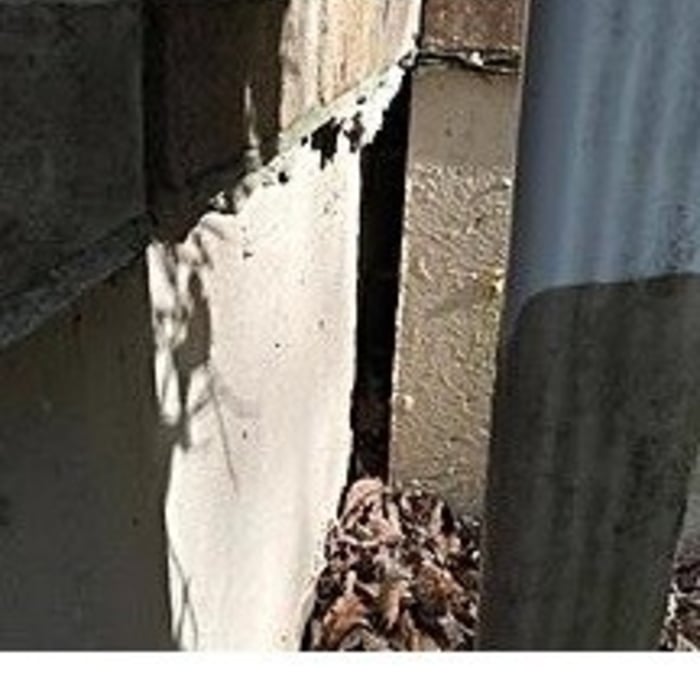
"Two years ago my wife and I noticed that our foundation was beginning to settle.  We had huge cracks in the dry-wall and our front door wasn't opening and closing properly. We decided to contact Advanced Foundation Repair and Replacement, owner Frank Matyiko.  He got a structural engineer to our house.  The engineer recommended that we needed twelve piers in order to fix our foundation.  the entire construction project went as planned.  Advance Foundation provided us with a transferable warranty in case we decided to sell our home. 
The overall experience was wonderful their crew was very professional and we would use them again and recommend them to anyone!!
"
Additional Photos
Additional Photos
Additional Photos
Additional Photos
Additional Photos

+2

Recommended by100%of homeowners
Structural Engineering questions, answered by experts

All foundations have footers, including monolithic slabs. In some cases, the foundation itself acts as the footer, as in the case of a floating slab and a monolithic slab. With a monolithic slab, the footers—which are just the bottom-most portion of the foundation that distributes loads down to stable soil—are a part of the main slab and are constructed with a single pour.

A freestanding brick wall that's only one brick thick can usually stand six to eight feet high. If you need a higher wall, it should be at least two bricks thick for adequate stability, and it might require a footing to support the added weight. Additionally, some areas have regulations and codes dictating how high a brick wall can be, so check with local code enforcers to ensure your proposed wall complies with any regulations.

First, most contractors will have a structural engineer create a report and plan for your project to ensure it’s safe to cut into the load-bearing wall. The contractor will then excavate around the wall, if necessary, measure the opening—allowing for additional space to fit and level the door, and then cut the doorway out. They will likely install a steel lintel as a header over the door for support. Once the doorway is cut out, they’ll demolish the concrete using sledge hammers and masonry chisels, clean up the surrounding concrete, and seal around the door with masonry mortar. 

Foundation cracks that are 1/8 inch wide or less, aren’t uneven across the gap, and don’t continue widening over time are usually just normal settling cracks and don’t suggest structural issues. Horizontal cracks and stair-step cracks on foundation walls, any cracks that continue widening, are wider than 1/8 inch, or where one side juts out beyond the other, are often indicative of structural damage.

It's safe to assume that all exterior walls are load-bearing, or at least have load-bearing characteristics. Some older homes feature porches or bump-outs that don't rest on the home's foundation. However, they still must carry the weight of the roof section they support. Walls containing floor-to-ceiling glass or other non-structural elements must use post and beam configurations to meet load-bearing criteria.

The Groveland, IL homeowners’ guide to structural engineering services

From average costs to expert advice, get all the answers you need to get your job done.

What do you need done? We’ll find top pros.
  • 🌱 "Mow a small front yard"
  • 🛠 "Fix a leaking pipe under the sink"
  • 🏠 "Repair shingles on an asphalt roof"