





Sprocket Excavating is committed to excellence in every aspect of our business. We uphold a standard of integrity bound by fairness, honesty, and personal responsibility. Our distinction is the quality of service we bring to our customers. Accurate knowledge of our trade combined with ability is what makes us true professionals. Above all, we are watchful of our customers interests and make their concerns the basis of our business.\n
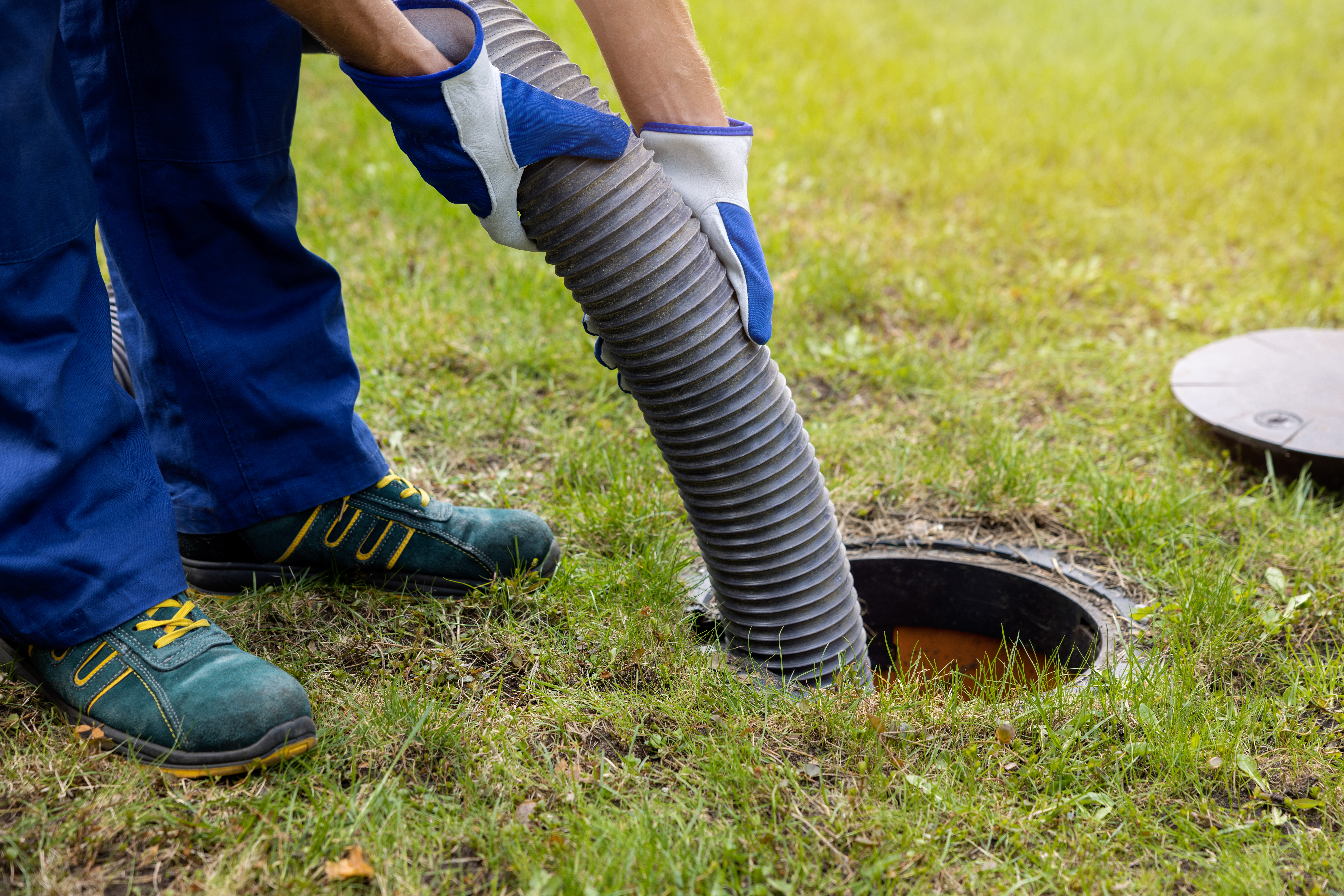
"The technician that pumped out our tank was very knowledgeable and provided helpful tips to get the best results from out septic system. The price seemed a little high at first but after considering the insight given by the technician the cost was of good value"
"He was able to quickly diagnose that the water leak from the water heater was a result of a ruptured tank, resulting in the need to replace the entire water heater."
"I just pay $75 you never know who's going to come out. They do everything electrical. Just about everything is covered except the septic tank. I had an air conditioner replaced. It went great, all I had to do was pay for the freon. He didn't charge e more than what was needed."
Hi, I’m a skilled and reliable plumbing professional serving the Chicagoland area. I specialize in residential and light commercial work, including repairs, installations, and troubleshooting everyday plumbing issues.\n\nI take pride in doing the job right the first time, showing up on time, and communicating clearly so there are no surprises. Whether it’s a small fix or a bigger project, my goal is to provide quality work, fair pricing, and service you can trust.\n\nI look forward to helping you keep your plumbing running smoothly.
There are a couple of ways you can determine the depth of your well. One method is to use a device called a well sounder. This tool has a long measuring tape containing a sensor to alert you once the end reaches the water.
Or you can DIY it by using a long tape measure with a half-filled bottle of water attached to it. Lower the tape measure into your well. Once you feel tension on the tape, you’ll know the bottle has reached your static water level. This will give you an approximate idea of your well’s depth.
Well water is often assumed to be hard because of its high mineral content. Hard water can lead to mineral build-up in your pipes and appliances. You can manage hard water by installing a whole-house filter system. These systems can help extend the life of your water-reliant appliances like your hot water tank and dishwasher.
With so much available information about the ecological effects of cesspools (and their general unpleasantness), it begs the question: Are cesspools legal? In short, sort of. Large-capacity cesspools that serve more than 20 people are completely illegal countrywide. Existing, smaller cesspools are generally allowed as long as they’re not actively polluting. However, new cesspools are illegal to build in all 50 states and Puerto Rico, and many states offer programs to help homeowners with the costs of updating cesspools to modern septic systems.
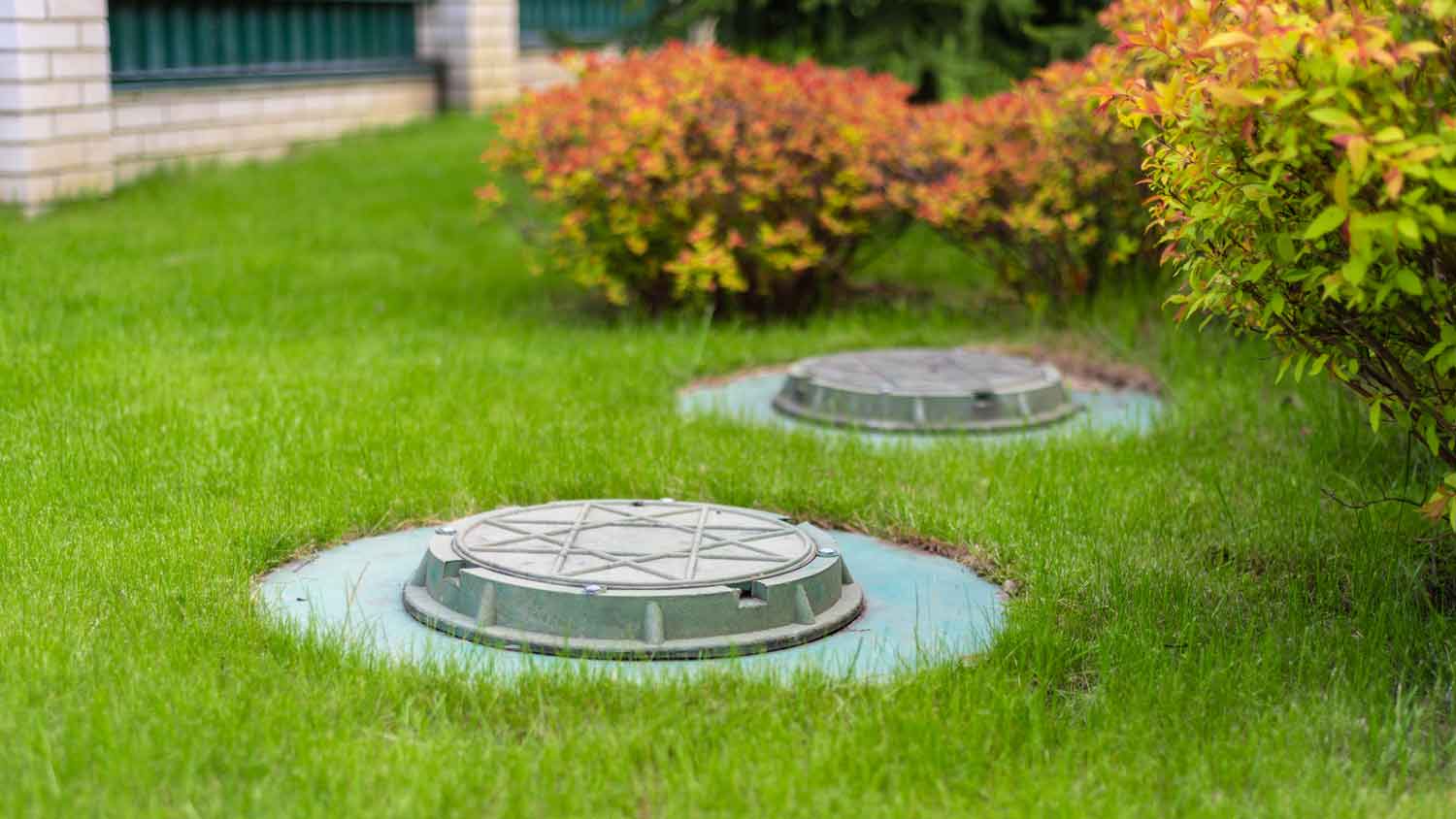
Your drain field or leach field should be 1 to 3 feet under the ground. It will be a little shallower than the septic tank, although it can be the same depth or slightly deeper. The proper depth of the septic tank is up to 4 feet. It’s possible that your local regulatory agency requires a certain depth for your drain field.
When your septic system is failing, you’ll probably smell it. Common signs of a septic system failure include sewage odors in the home or around the yard, flooding in the yard above the septic tank or in the leach field, and wastewater or even raw sewage backing up into your home’s drains.
The Gridley, IL homeowners’ guide to septic tank services
From average costs to expert advice, get all the answers you need to get your job done.
It’s crucial to install a septic tank with the right volume to avoid wastewater backups. This guide will help you calculate the right septic tank volume.
Septic tank sizes vary depending on the size of your home, how many people live there, how much water you use, and more. Read on to learn how to determine the right size for you.