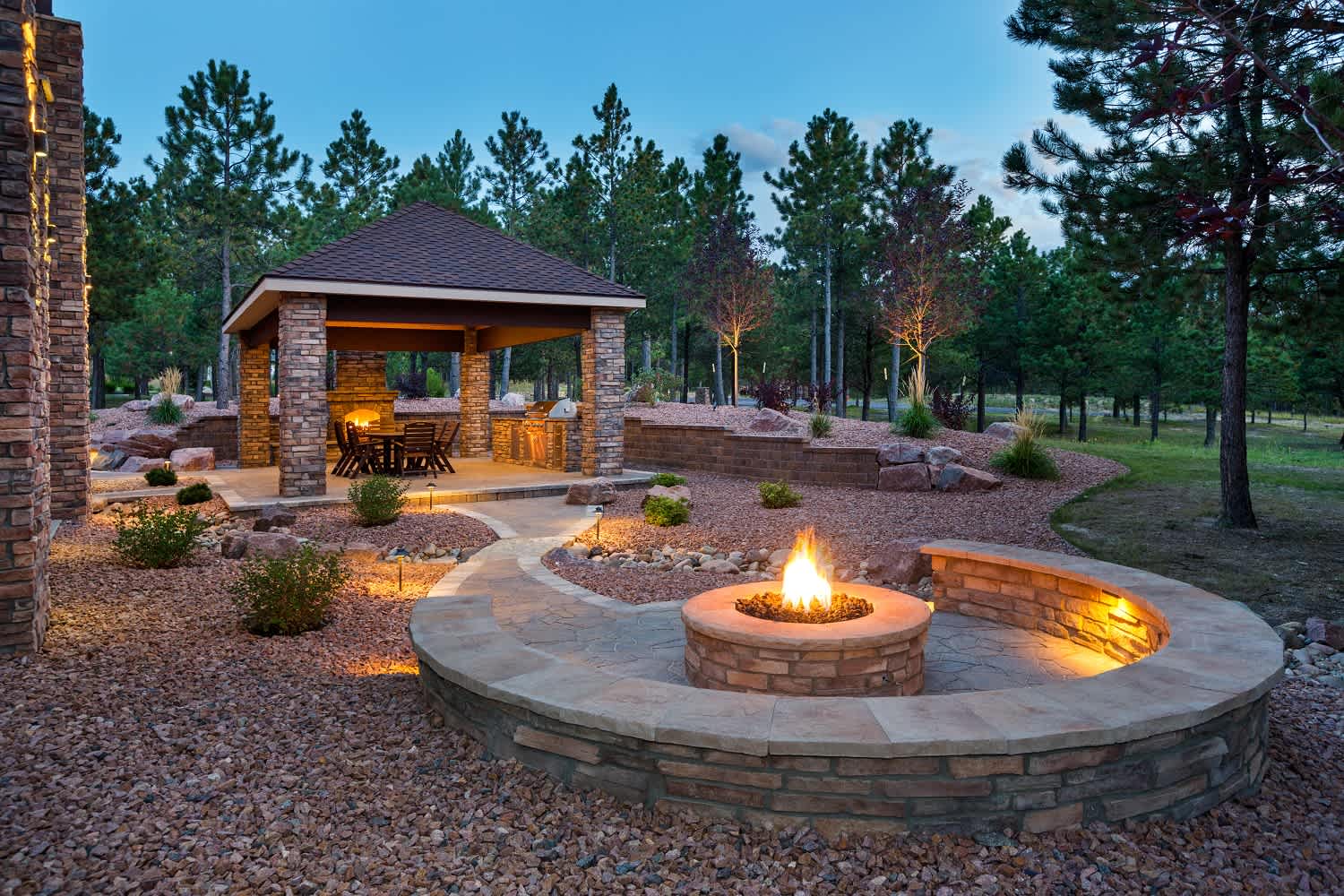





Top-rated fire pit installation pros.

Get matched with top fire pit installation pros in Gardner, IL

Enter your zip and get matched with up to 5 pros

Need a pro for your fire pit installation project in Gardner, IL?

Select your specific project to find the pro for you.

TRUSTED BY GARDNER, IL HOMEOWNERS

  • Average homeowner rating star icon3.6
    Average homeowner rating
  • Verified reviews icon12
    Verified fire pit installation services reviews

Find Fire pit installation pros in Gardner

No results for Fire pit installation pro in

Try adjusting your search criteria.
Fire Pit Installation questions, answered by experts

Yes, a water leak poses a major fire risk at your home because water is a conductor of electricity. Water that comes into contact with sparks or electrical wires can instantly ignite flammable materials. Additionally, any type of exposure to water can cause wires and other electrical components within your home to corrode. When assessing categories of water damage, it's important to know that even a small amount of moisture near wiring could cause sparks that lead to a fire.

While a hot fire can help heat up and loosen tar within your chimney, making it a recommended step before using a creosote log, it will not burn off significant existing buildup on its own. Attempting to remove built-up creosote with a hot fire is dangerous and can cause a chimney fire. For safe and effective removal of caked-on creosote, the best approach is to hire a professional chimney sweep.

Generally, an oil furnace is considered safer than a gas furnace for several reasons. While both types of furnaces can produce carbon monoxide, a leak in an oil furnace is easier to detect due to the smell. Oil furnaces also don't connect to a gas pipeline, which reduces the chance of a fuel leak. Most importantly, heating oil is not combustible, whereas natural gas is highly flammable. This means there is a much lower risk of combustion or explosion with an oil furnace. However, an oil furnace can still pose a fire hazard if it tips over.

Chimneys should either be sealed or waterproofed, which is different from sealing off—closing at both ends—a chimney. Waterproofing and sealing are both crucial steps to take to prevent water damage and the chimney leaking inside the house. While waterproofing is more comprehensive, both help safeguard your chimney, extending its life span and preventing expensive repairs. 

According to the National Fire Protection Association’s Code NFPA 25 (titled “Standard for the Inspection, Testing, and Maintenance of Water-Based Fire Protection Systems”), private fire hydrants must undergo inspection once per year, with an accompanying flow test and any necessary maintenance performed on the same schedule. Keep in mind that your town, city, or county may adopt more or less strict testing requirements. 

The Gardner, IL homeowners’ guide to fire pit installation services

From average costs to expert advice, get all the answers you need to get your job done.