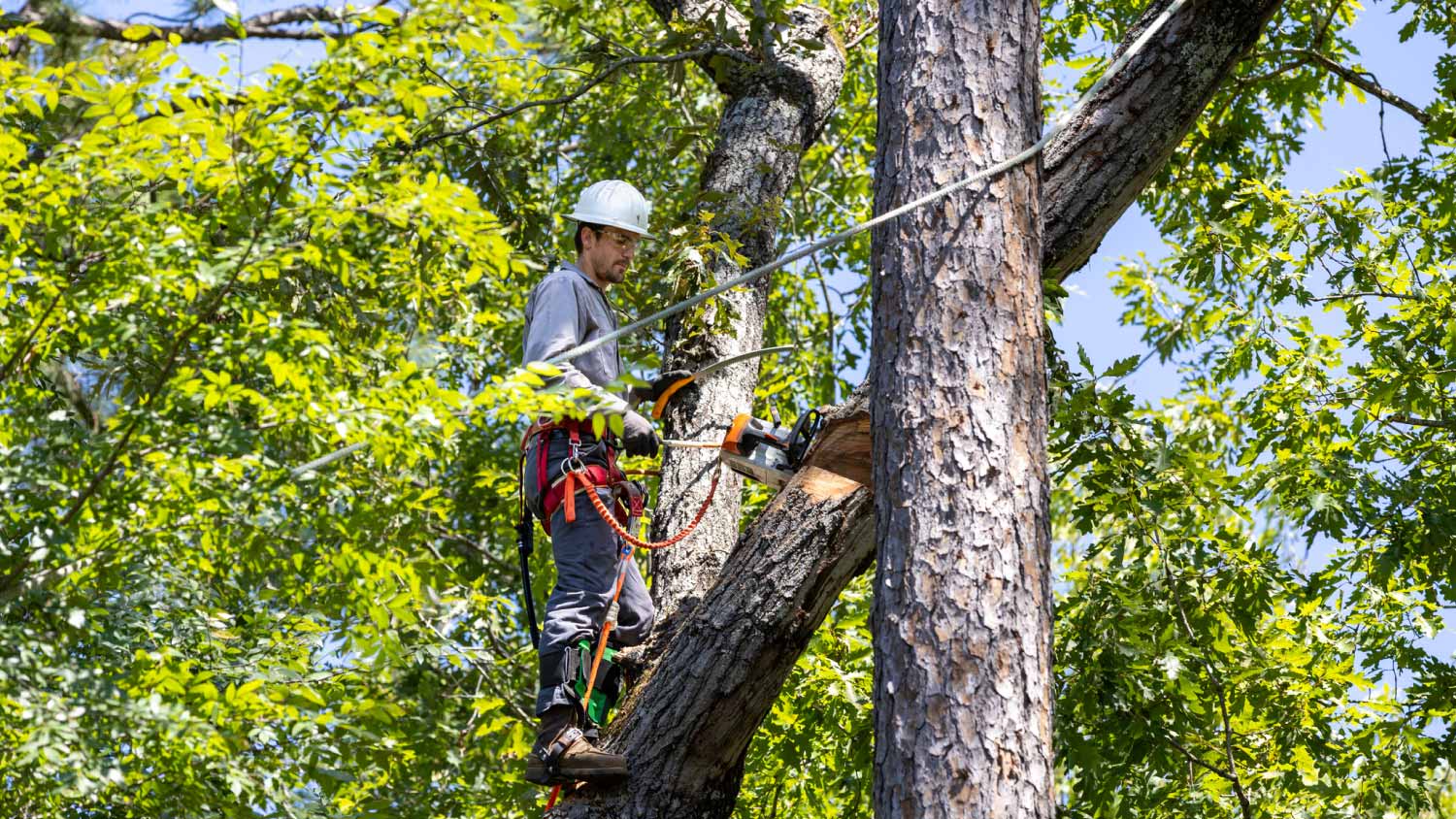





Top-rated arborists.

Get matched with top arborists in Fulton, IL

Enter your zip and get matched with up to 5 pros

Need a pro for your arboricultural service project in Fulton, IL?

Select your specific project to find the pro for you.

TRUSTED BY FULTON, IL HOMEOWNERS

  • Average homeowner rating star icon4.6
    Average homeowner rating
  • Verified reviews icon68
    Verified arboricultural services reviews

Find Arborists in Fulton

Avatar for Elite Seamless Gutters, Inc.
Elite Seamless Gutters, Inc.
4.5(
401
)
Tree TrimmingTree RemovalTree Stump - Remove

Serving Fulton, IL and surrounding areas

Approved

In business since 1999

Free estimates

Emergency services offered

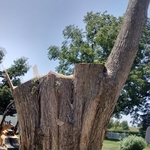
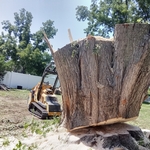
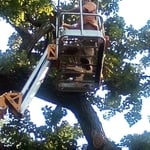
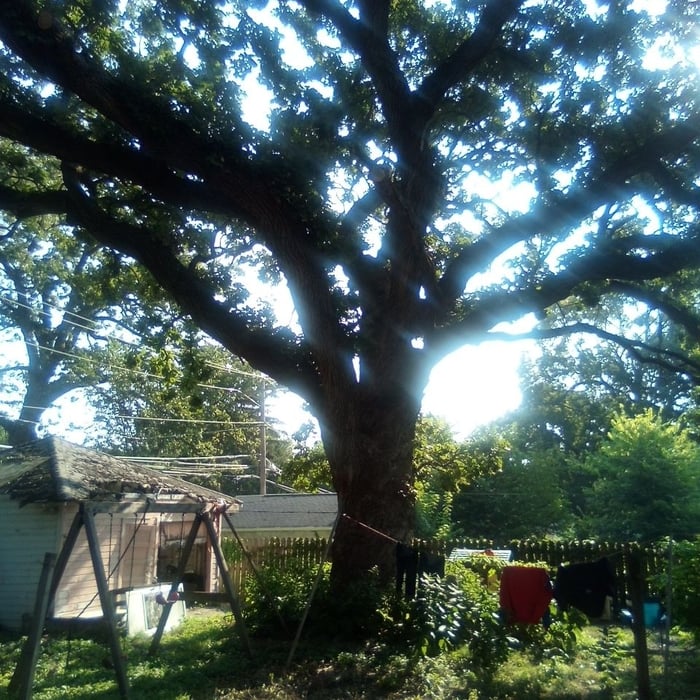
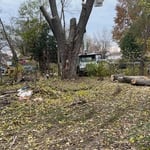
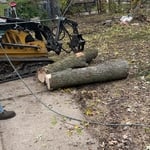
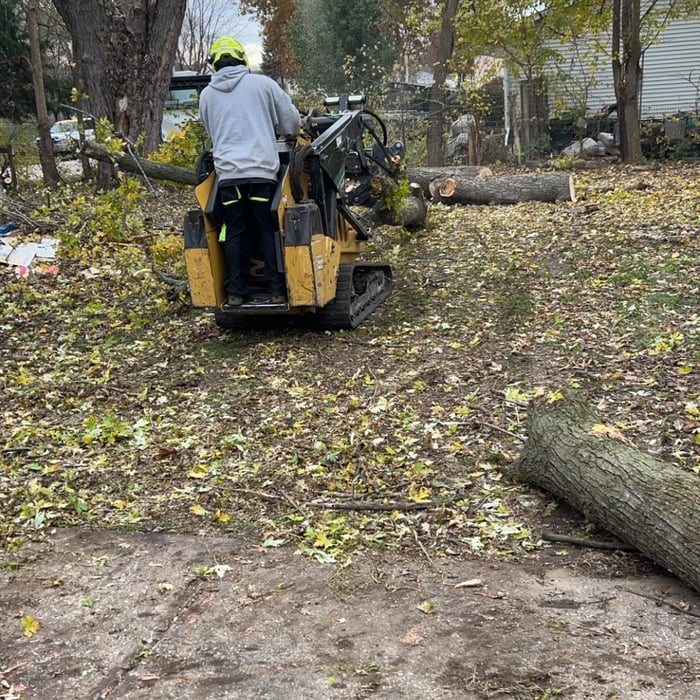
"We had a very large tree that needed to be removed in our backyard with very tight excess to it. Deven and the crew did a great job, no, they did an excellent job. From cutting down the tree to removal of all the limbs and grinding out the two stumps it was done very professionally. This company does and follows thru with everything they promise to do. We are so happy with the respectful way they treated us and our property. I would highly recommend this company. They are Great!"

Additional Photos
Additional Photos
Additional Photos
Additional Photos
Additional Photos

+5

Response time9 hrs
Response rate100%
11 neighbors recently requested a quote
Showing 1-10 of 38
Arborists questions, answered by experts

The typical lifespan of a Bradford pear is relatively short, only 15 to 25 years. However, these trees have issues long before their life is over. Due to their soft wood and fast-growing branches, Bradford pear trees often split around 15 years, making them a risk for falling branches and more prone to disease. 

Ivy eventually kills trees by restricting its growth, blocking sunlight, absorbing nutrients and water from the soil, and weakening the tree. Trees with ivy are more likely to experience diseases, pests, rot, and fungi growth. When ivy weighs down tree branches, the tree is more likely to break during a storm and cause damage.

There are a few general rules to follow that will help you prune your trees correctly. One of the most important rules is to prune during the correct season for the type of tree you have. Typically, pruning should be during late winter. For younger trees, you should not remove more than a ⅓ of the tree's crown when pruning. Also, remember to remove dead and diseased branches first, then proceed with pruning the rest of the tree.

Tree experts don’t advise against digging through tree roots, but instead encourage caution and consultation with a local arborist to make sure you don’t damage the tree’s structure or interrupt its water or nutrient intake. An arborist can recommend specific practices when digging and help prune the roots or dig a trench for utilities with a tool that can remove soil without touching the tree’s roots.

Although the terms tree trimming and tree pruning are used interchangeably, they are very different types of tree maintenance. Tree trimming involves enhancing the appearance of your tree by removing unruly branches, providing your tree with ample sunlight and nutrients and prevents unsightly overgrowth. 

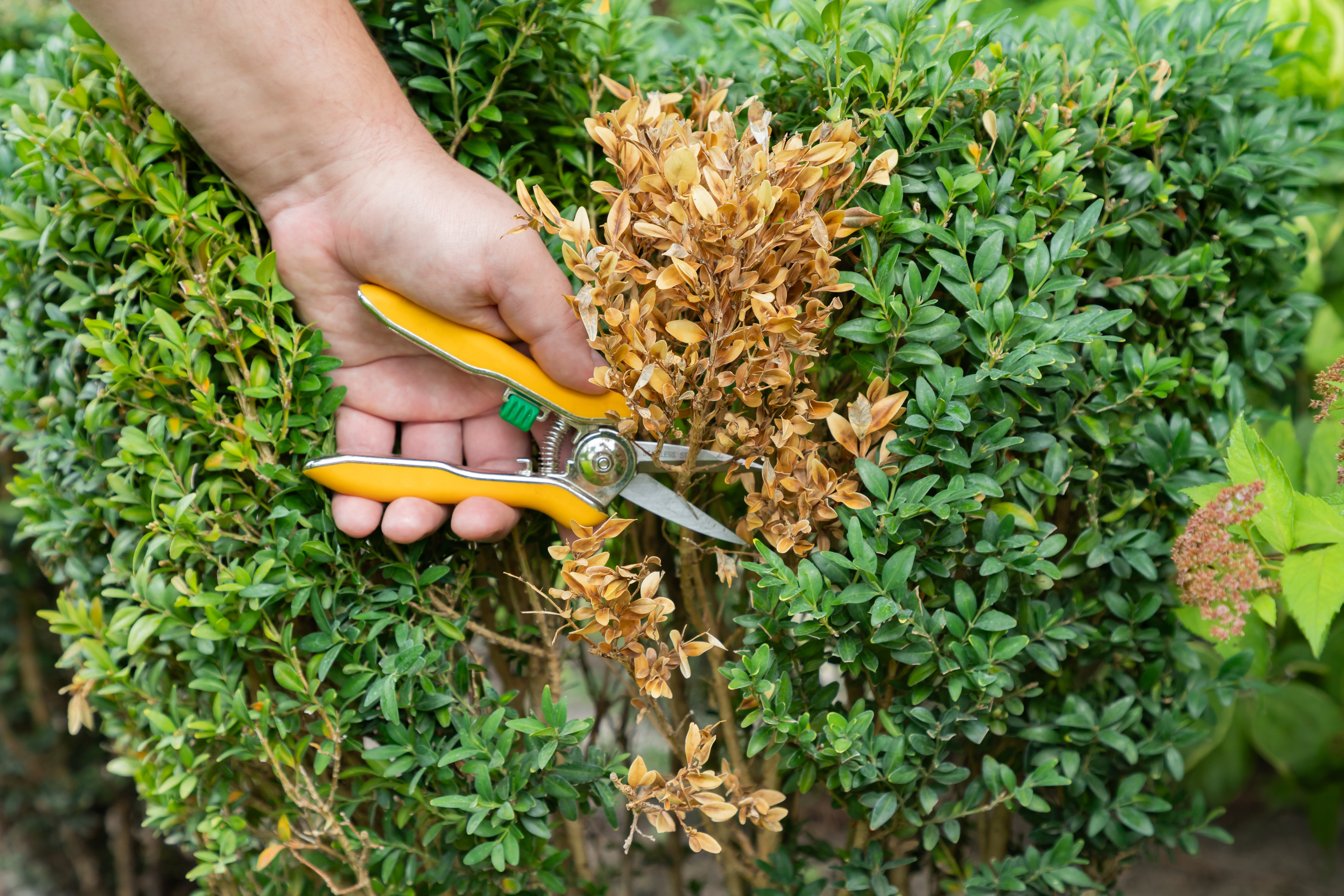
Tree pruning helps keep your trees disease-free. This process removes unhealthy growths, dead branches, and other unhealthy parts of the tree. It’s more common for deciduous and ornamental trees but not so common for evergreen trees. To determine which method you need, discuss it with a tree trimming specialist.

The Fulton, IL homeowners’ guide to arboricultural services

From average costs to expert advice, get all the answers you need to get your job done.