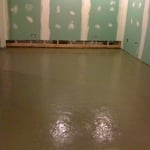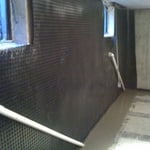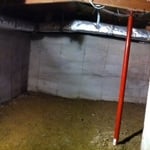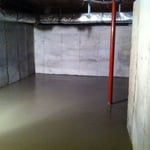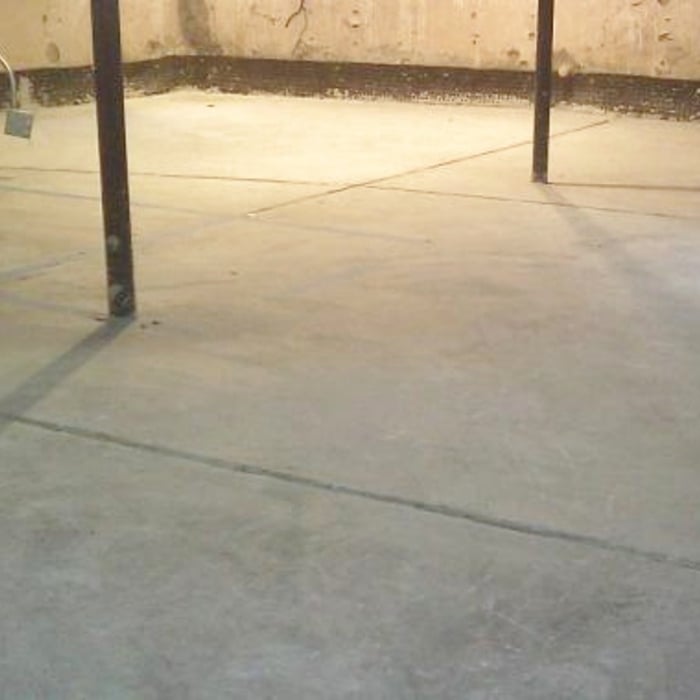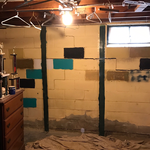








"There was no leakage until about three weeks ago. The crack then reopened and water is seeping through. We have tried to contact them. However, they shut down their email and three phone numbers. They will not return any messages. It was a lifetime warranty, but that does us no good if they are out of business.
The existing problem (and why they have C's from us) is that we have completely lost contact and have no way to get resolution."
"I own a two flat in the city. Today i got a call from one of my tenants telling me that there was a leak. i called mcDonoagh and Sons and within two hours, they ha a Technician come out on st Patrick's day diagnose the problem, get the appropriate parts and fix it. I was very impressed with the responsiveness and the speed of service. He also made helpful recommendations for how to maintain my water heaters. "
"He was able to quickly diagnose that the water leak from the water heater was a result of a ruptured tank, resulting in the need to replace the entire water heater."
DelVon Hardaway is the professional you are looking for when a home or business energy analysis is required. More and more this is becoming a valuable tool across the country. Everyone needs a current energy audit, so do not hesitate to call DelVon Hardaway for your energy savings analysis.
We pride our company on reliability, great communication, integrity and quality work. We are experts in our water treatment systems and will do our best to keep you as educated as we can on your particular task or project. We look forward to working with you.
No. You should never directly drain a water softener into a sewer cleanout. This practice is illegal in many areas because it could allow raw sewage to get into your drinking water and make you seriously ill. Many places have codes requiring a specific seal, pipe, and a large air gap between a water softener and a sewage cleanout. Check out Florida's Plumbing Building Code as an example of what these restrictions might look like.
The primary difference between a water softener and a water filter lies in what they remove from the water. A water softener is designed to remove hard minerals like calcium and magnesium. In contrast, a water filter has a broader effect, removing various contaminants above a certain size, which can include bacteria and other impurities.
To decide which you need, consider your goal. If you want to eliminate hard minerals, choose a softener. If you want to remove a wide range of contaminants, a filter is the better option. Filters are also generally less expensive to install. Depending on your water supply, you may need to install both for comprehensive treatment.
The chemicals in a water softener can wear down the anode rod in the heater and shorten its life span. However, for most people, the benefits of the softener outweigh this potential drawback.
Have a plumber inspect the anode rod annually for damage, as replacing the anode rod is far less expensive than replacing the entire water heater.
A good hardness level for drinking water can vary based on personal preferences, but an ideal level is 3.5 to 7 GPG. This means your water isn’t soft or hard. However, some people prefer the “fresh” taste from the minerals in hard water, while others like the smoother, “slippery” texture of soft water.
Replacing a water softener costs $200 to $6,000, depending on the capacity of the water softener, the type of water softener, and the amount of people living in your home. An ion exchange water softener is the most common type and costs $500 to $3,000. Water distillers, which cost $1,200 to $4,000, and dual-tank models, which cost $1,000 to $5,000, are definitely pricey, but they offer more filtration or capacity, respectively.
The Eldorado, IL homeowners’ guide to water softener services
From average costs to expert advice, get all the answers you need to get your job done.
Water softeners work to remove unwanted minerals from hard water through a filtration and recharge cycle. Keep reading to learn how a water softener works.
There are four common softener alternatives available on the market today. We compare and contrast each one to help you find your best-fit solution in this blog.
Water softeners rid your home of hard minerals and, well, soften your water. Even better, the regeneration process is an automatic cycle that works when you’re least likely to use it.
Water softeners remove hard minerals from your tap water, improving plumbing systems and water-using appliances. Here are the most efficient water softeners out there.