



Top-rated electricians.

Get matched with top electricians in Dahinda, IL

Enter your zip and get matched with up to 5 pros

Need a pro for your electrical service project in Dahinda, IL?

Select your specific project to find the pro for you.

Find Electricians in Dahinda

Avatar for Tri-State Water, Power & Air
Tri-State Water, Power & Air
5.0(
5
)
Fixed Generator - InstallGenerator - InstallGenerator - Install - For Business

Serving Dahinda, IL and surrounding areas

Approved (Corporate)

In business since 1992

Free estimates

Emergency services offered

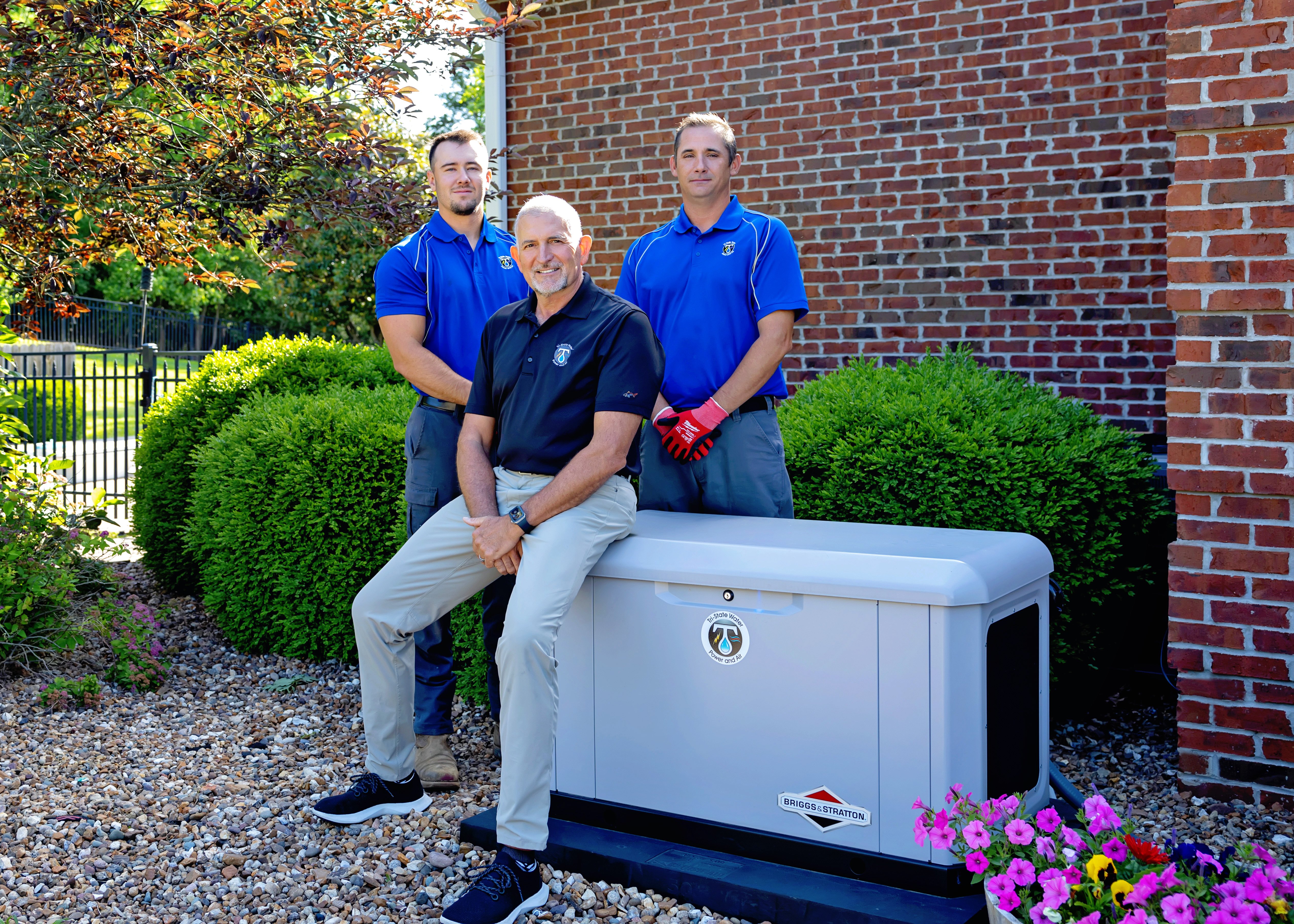
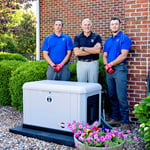
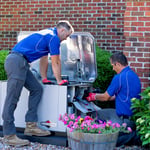
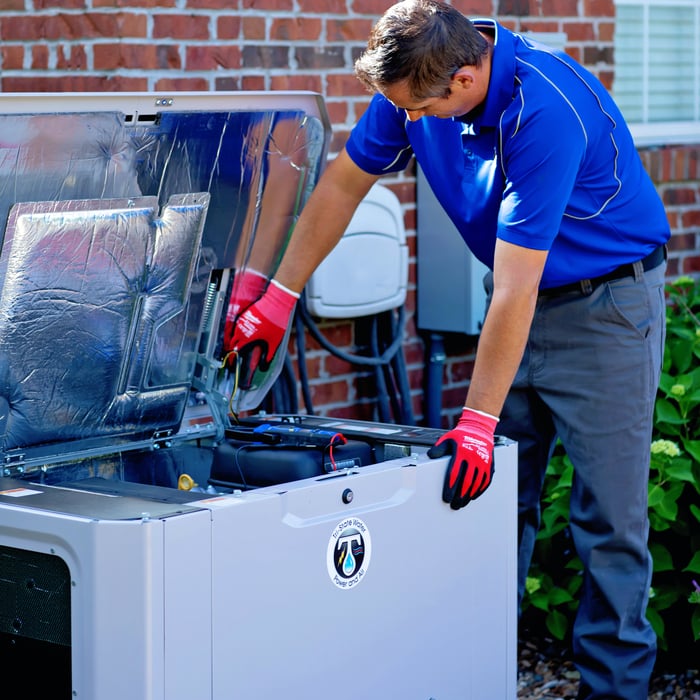
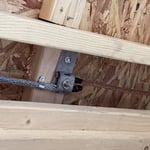
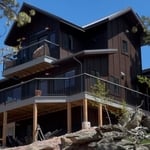
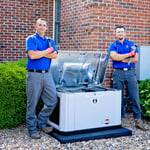
We are the experts in the field of Whole Home Generator Sales and Installation, with over 20 years of experience in the game.\nWe provide turn-key installation by licensed professionals - 24 hour emergency service - Remote Monitoring - Long term maintenance and service by factory trained technicians.

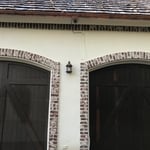
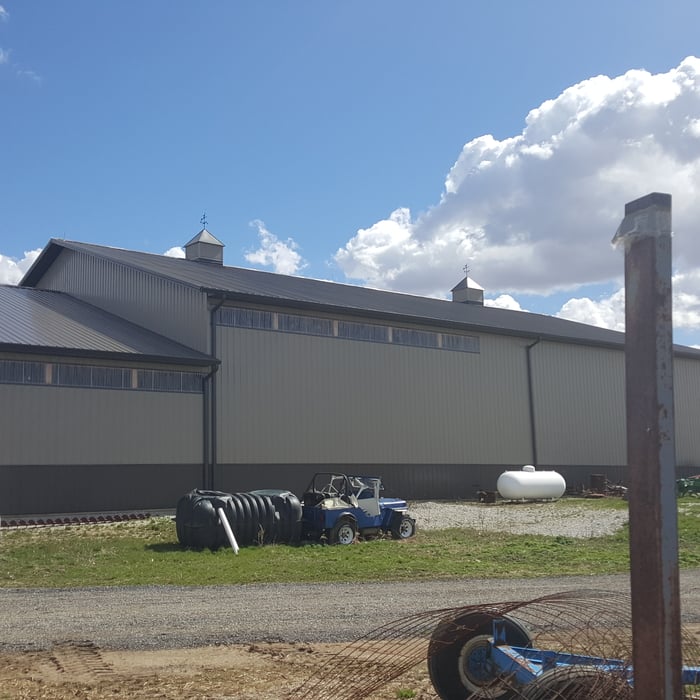
Additional Photos
Additional Photos
Additional Photos
Additional Photos
Additional Photos

+3

39 neighbors recently requested a quote
Curtis Home Solutions
New to Angi
Ceiling Fan - InstallCeiling Fan - RepairElectrical Switches, Outlets & Fixtures - Install or Repair+2 more

Serving Dahinda, IL and surrounding areas

Approved

I am a jack of trades independent contractor/ handyman with 10+ years experience. I am not a licensed plumber, licensed electrician, or licensed roofer. With that said it's easier to just tell you the things that I don't do. I do not do drain work, I do not replace electrical lines or panel boxes, I do not replace plumbing lines which includes water and gas, and I do not replace roofs. Aside from that I can do everything else, and have the tools to do so.

Avatar for Lightning Defense, LLC (Illinois)
Lightning Defense, LLC (Illinois)
4.6(
136
)
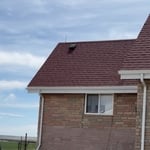
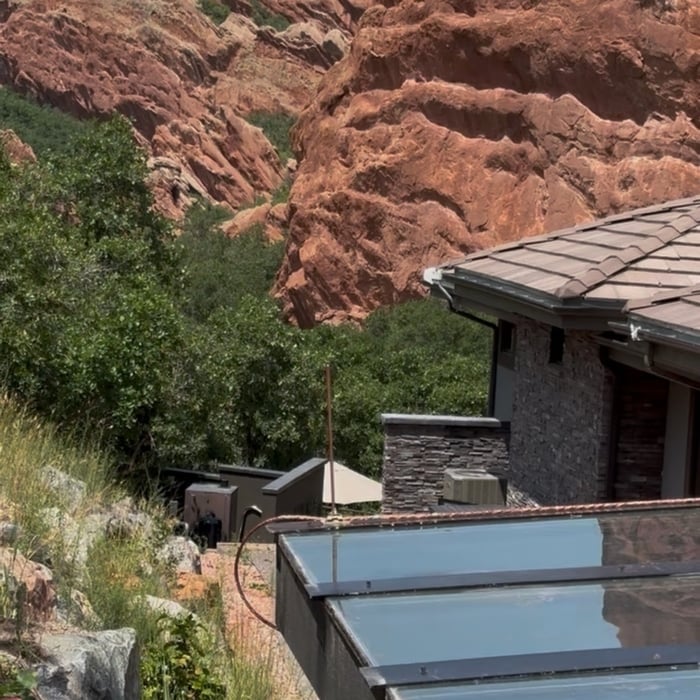
Lightning Protection - Install or Repair

Serving Dahinda, IL and surrounding areas

In business since 1972

Free estimates

Emergency services offered

"John Sherlock and his wife Corrine called within 1/2 hour of looking for Lightning Rod installers. He was available and was over to talk with us within one hour. He sent all his credentials and licenses and insurance coverages of his business and they came over the next morning and completed the installation extremely fast. He gave a fantastic offer, and lifetime warranty coverage and will even come over and take down system when we replace the roof and place back up at no charge! His wife even saw some plants we had not put in the garden still sitting in containers, and offered and planted them in the spaces we wanted, just to help out. Very friendly, helpful, professional, extremely knowledgeable and even suggested adding Lakeland Electrics Surge Protector protection they provide to go along with the Lightning rods. Yes would have them again on any home anytime."
lightining pro
lightining pro
lightining pro
lightining pro
lightining pro

+13

Response time4 hrs
Recommended by100%of homeowners
...
Showing 1-10 of 69
Electrical questions, answered by experts

The key difference between a circuit breaker versus a surge protector is that circuit breakers shield your entire electrical system from overcurrents and faults, while surge protectors defend your electronic devices against voltage surges and spikes. A circuit breaker interrupts the flow of electricity in a circuit when it detects an overload or short circuit, protecting the wiring from damage and preventing fires. In contrast, a surge protector shields electronic devices from voltage spikes, such as those caused by lightning strikes or power surges, preventing damage to the device’s inner mechanics.

Yes, hot tubs can use a significant amount of electricity, primarily to keep the water heated. A typical hot tub uses between 1,500 and 6,000 watts, and the pump can add another 1,500 watts. This usage can result in a monthly cost of around $20 to $30. The exact amount of electricity consumed depends on several factors, including the hot tub's age, size, heater voltage (120V vs. 240V), usage habits, and thermostat setting. Newer, energy-efficient models generally use less power than older ones. To reduce electricity costs, consider investing in an energy-efficient model, using a quality insulated cover with a thermal blanket, and keeping the filters clean.

In the United States, home outlets support a standard 15 amps, but you can upgrade per outlet if necessary. Most single-family residential homes have a maximum overall amp rating, usually 100 to 200 amps. Very old houses may have less than 100 amps, but that’s rare. Large homes often come with amp services above 200 amps to support modern lifestyles.

Home power is measured in kilowatt-hours, commonly expressed as kWh. The average home uses between 800 and 1,000 kWh per month. Peak usage (and highest bills) occurs in the middle of summer and the depths of winter. Keeping on top of your usage during these crucial months will lower your annual average usage considerably. 

Watts and volts represent distinct aspects of a light bulb’s functionality. Volts measure the electrical force that drives the current through the bulb, determining its compatibility with the power source. Watts, on the other hand, quantify the bulb’s power consumption and indicate its brightness level. Higher watts generally mean a brighter bulb.

The Dahinda, IL homeowners’ guide to electrical services

From average costs to expert advice, get all the answers you need to get your job done.