Top-rated generator install pros.

Best generator install pros near Columbia, IL

Enter your zip and get matched with up to 5 pros

Need a pro for your generator install project in Columbia, IL?

Select your specific project to find the pro for you.

Top-Rated Generator install pros in Columbia - Updated Nov 2026

Avatar for CD Electric
CD Electric
5.0(
6
)
Fixed Generator - InstallFixed Generator - RepairGenerator - Install+4 more

Serving Columbia, IL and surrounding areas

Approved

In business since 2021

Free estimates

Emergency services offered

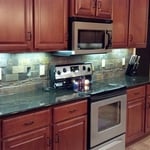
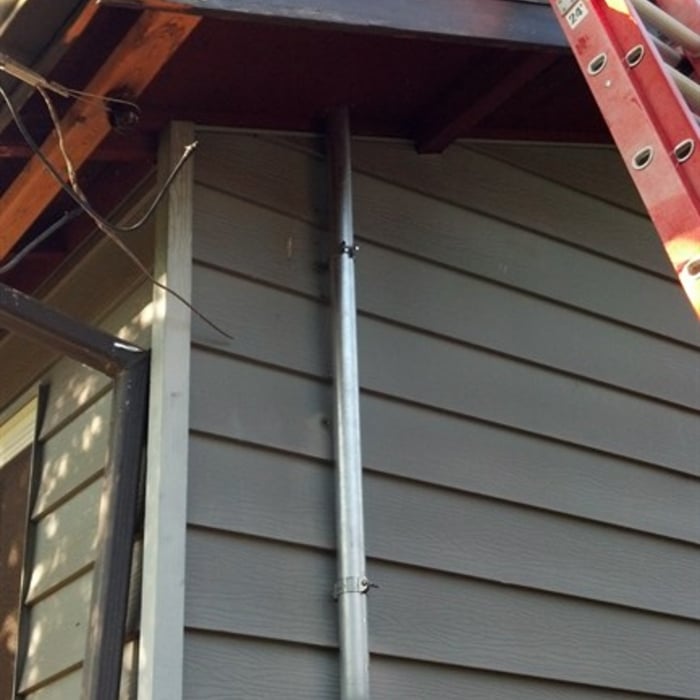
"CD Electric was fantastic. They added electrical outlets to the interior and exterior of my home and installed an exterior light. Chase was very thorough with the estimate he provided me and completed the job in the time he said it would take. I would definitely hire them again for any future jobs and I highly recommend them to anyone else."
Additional Photos
Additional Photos
Additional Photos
Additional Photos
Additional Photos

+6

Response time20 mins
Response rate100%
Recommended by100%of homeowners
Avatar for Grasser Electric
Grasser Electric
4.6(
30
)
Fixed Generator - InstallFixed Generator - RepairGenerator - Install+4 more

Serving Columbia, IL and surrounding areas

In business since 1975

Free estimates

Emergency services offered

"I had a great experience with them. Their bid was right in the middle where it should have been. The guy who showed up had estimated for 5-6 hours worth of work, and he ended up staying here for almost 9 hours, but they didn't charge me extra for it, and I was happy about that. He was able to run the wiring where I wanted it to run. There weren't all the cables showing and he was able to stick it through my wall, and that is why he ended up staying here for so long. I was really happy with the service. My biggest thing was that the guy stayed until the work was done, he didn't say he would come tomorrow even if it meant working overtime."
.
.
Recommended by92%of homeowners
Showing 1-10 of 28
Generator Install FAQs, answered by experts

Energy output depends on turbine size, average wind speed at your site, and system efficiency. A 5 kW turbine in a good wind location can generate 8,000 to 12,000 kilowatt-hours per year, which may cover a large portion of an average home’s needs. Accurate output estimates require a professional wind assessment and a review of your household’s energy usage patterns.

It’s usually better to repair your generator if it isn’t working properly, as it will typically be much more affordable and should yield similar results. Generator repairs cost around $300 on average, while installing a new whole-house generator costs around $5,000 on average. The only exception is if you know your generator is reaching the end of its useful life, usually between 30 and 40 years. If you have an older generator, you could face multiple repairs in the coming years, which might mean that a full replacement will be more cost-effective over time.

Here’s what you can run with different wattages and types of generators:

Portable generator:

  • 2,000 watts can handle a large appliance like a freezer or refrigerator, plus a few smaller items like phones or computer chargers. 

  • 4,000 watts will keep two large appliances operating and a few smaller devices.

  • 8,000 watts should power most essential appliances and other devices, including a sump pump, well pump, or your dishwasher.

Partial to whole-house generator:

  • 20,000 watts and above will make it seem like your home’s power is still on.

If you’re wondering whether gas generators produce carbon monoxide, know that natural gas generators do not produce carbon monoxide if they are functioning properly, as natural gas burns cleanly. However, if the generator malfunctions and the gas does not burn completely, there is potential for carbon dioxide to be produced. To prevent malfunctions, it's crucial to perform regular maintenance, including running the generator weekly and scheduling professional inspections every 6 to 12 months. Also, be sure to test your carbon monoxide detectors regularly to ensure they function in the rare case of the generator producing carbon monoxide.

To determine the right size generator for your house, you should calculate the total wattage of the appliances and devices you want to power during an outage. List all essential items, note their start-up wattages, and add them together.

Here are some typical wattage requirements for common appliances:

  • Refrigerator: 600 watts

  • Large dehumidifier: 700 watts

  • Large window air conditioner: 1,400 watts

  • Water heater: 3,000 to 4,500 watts

  • Electric furnace: 5,000 to 25,000 watts

A 7,500-watt generator might be sufficient for essentials like a refrigerator, freezer, well pump, and lighting circuits. However, for high-demand items like a water heater or furnace, a whole-home generator is a better choice. A portable generator may be enough if you only need to power a few critical items.

While home square footage can offer a rough estimate, it is not always a reliable indicator. For reference, here are some typical generator sizes based on square footage:

  • 1,000 sq ft: 6–9 kW

  • 1,500 sq ft: 7–10 kW

  • 2,000 sq ft: 10–14 kW

  • 2,500 sq ft: 12–16 kW

  • 3,000 sq ft: 16–20 kW+

For the most accurate sizing, consult a professional who can calculate your home's peak and average power consumption and recommend the optimal generator.


The Columbia, IL homeowners’ guide to generator installs

From average costs to expert advice, get all the answers you need to get your job done.