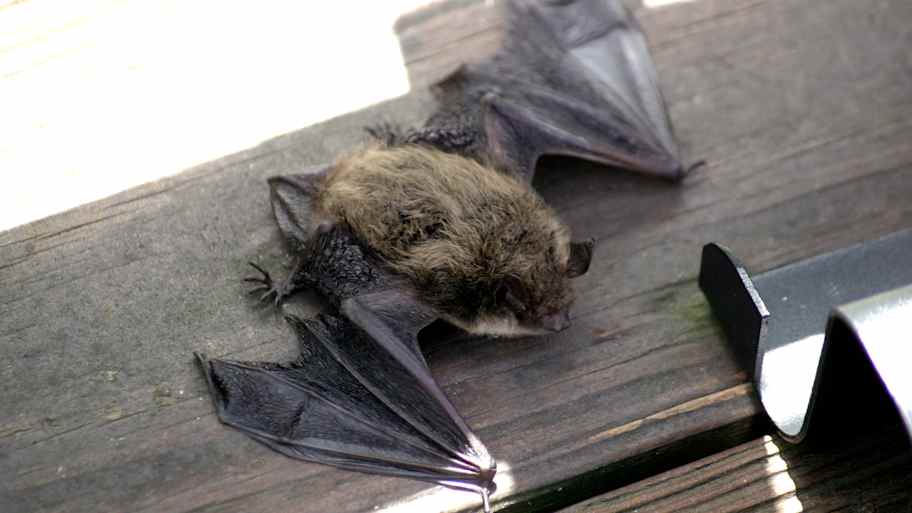







Top-rated bird control service pros.

Best bird control service pros near Carterville, IL

Enter your zip and get matched with up to 5 pros

Need a pro for your bird control service project in Carterville, IL?

Select your specific project to find the pro for you.

TRUSTED BY CARTERVILLE, IL HOMEOWNERS

  • Average homeowner rating star icon4.2
    Average homeowner rating
  • Verified reviews icon19
    Verified bird control services reviews

Top-Rated Bird control service pros in Carterville - Updated Nov 2026

Avatar for Easton's Wildlife and Mole Control
Easton's Wildlife and Mole Control
4.0(
5
)
Pest Control - Birds and BatsPest Control - Birds and Bats - For Business

Serving Carterville, IL and surrounding areas

In business since 1996

Emergency services offered

Warranties offered

"We live on a farm & the lower field was flooding after it came a hard rain. Finally, upon checking the matter, we found the beavers had built a dam had the creek blocked. David came set out traps. He got rid of nine of them the first day, then three the next. If there were any still living, , they left, that was the end of our beaver problem! I would definitely recommend them again."
foundation vent covers
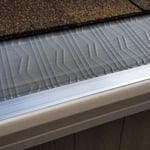
Leafblaster gutter guard
Soffit return exclusion
Wildlife exclusion
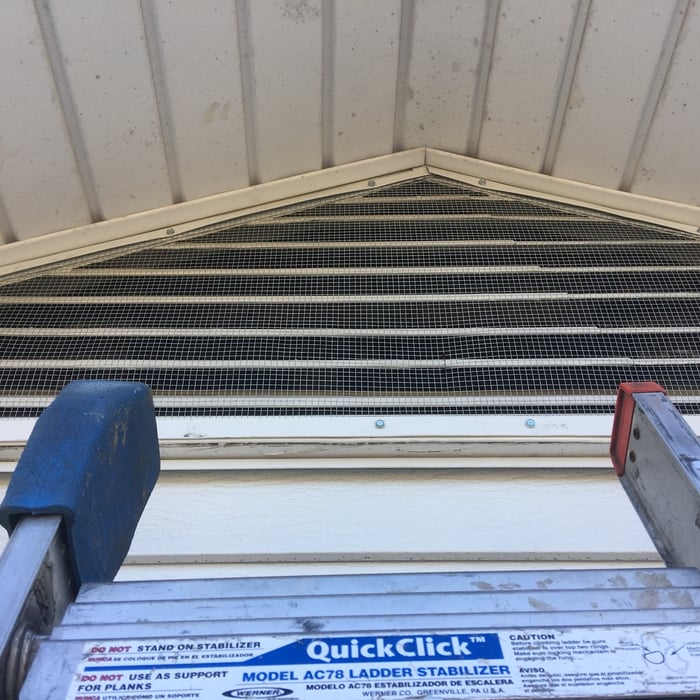
Gable vent screening with aluminum trim

+14

Response time3 hrs
Recommended by80%of homeowners
Bird Control FAQs, answered by experts

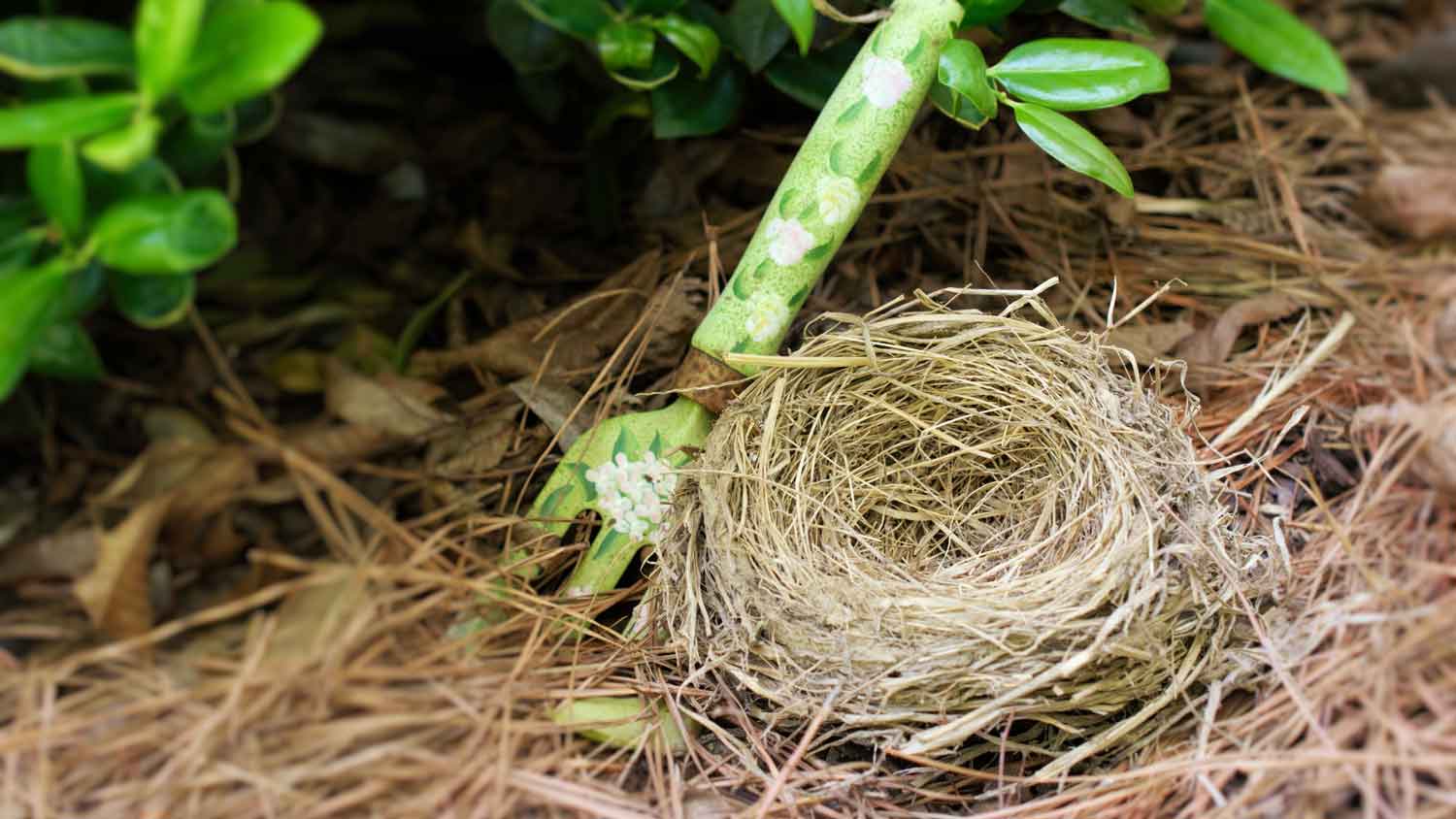
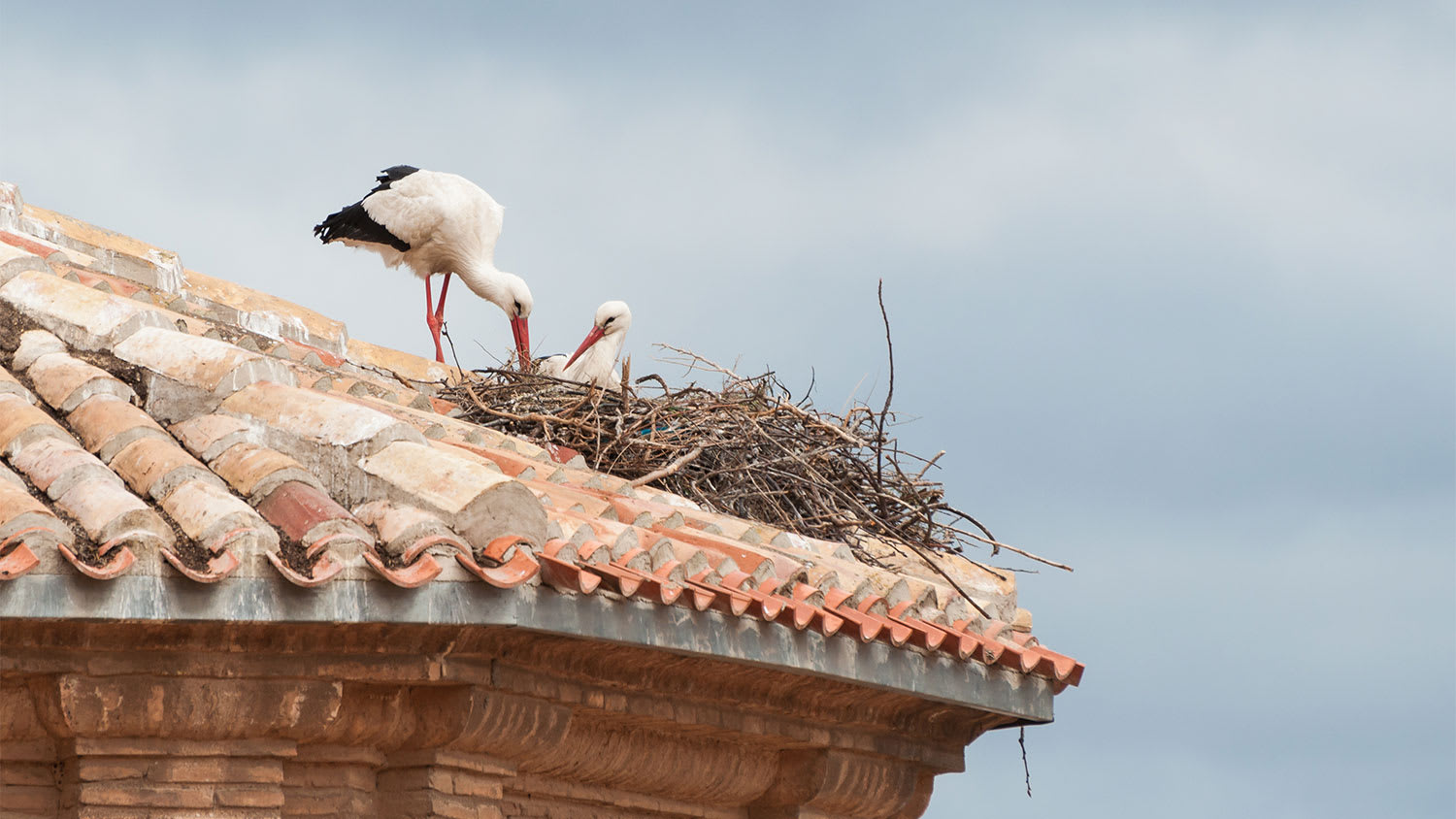
The lifespan of a bird's nest depends on the species. The building process can take from two days to three weeks. Once built, the nesting period for baby birds can last from two to ten weeks before they leave the nest. While most young birds are ready in two to six weeks, some predatory species may need up to two and a half months. Some species nest four to five times per year, so a nest could remain in use for several months. For specific information about a particular nest's longevity, it is best to consult a wildlife professional.

Once the animals and their young are out of the house, remove the nest and locate any entry points. Some may be difficult to find because some animals can fit through very small holes. Once you’ve located as many entry points as possible, use materials such as metal or masonry to block off the entry. Ideally, you should choose materials that most animals cannot chew through. Create a one-way door or flap to allow animals to leave but not return. Additional methods include using repellants designed to make an area unappealing to the types of animals that find your home so inviting. 

When woodpeckers start banging on your walls or roof, they are probably looking for insects to eat, storing nuts for winter, drilling a hole to make a nest, or communicating with other birds to establish territory or find a mate.

The size of the hole can help determine the reason for the pecking. Small irregular holes are a result of insect hunts. Acorn holes are more consistently sized and often fitted with a nut in the middle. Nest holes are large and have rounded edges. If the bird is pecking to mark its territory or attract a mate, it may leave dents rather than holes, and the noise will stop when the mating season starts in spring.

To keep animals out, you must prevent them from entering. As long as they can get in, the problem will persist. That said, consider making your attic less inviting using deterrents like motion-activated lights or ultrasonic devices. Additionally, keeping a well-maintained, clean, and uncluttered attic that you regularly inspect for activity may make the space less attractive to critters.

Most treatments take 1-3 hours, but severe infestations may require multiple visits.

The Carterville, IL homeowners’ guide to bird control services

From average costs to expert advice, get all the answers you need to get your job done.