







Top-rated bird control service pros.

Get matched with top bird control service pros in De Soto, IL

Enter your zip and get matched with up to 5 pros

Need a pro for your bird control service project in De Soto, IL?

Select your specific project to find the pro for you.

TRUSTED BY DE SOTO, IL HOMEOWNERS

  • Average homeowner rating star icon4.5
    Average homeowner rating
  • Verified reviews icon41
    Verified bird control services reviews

Find Bird control service pros in De Soto

Avatar for Easton's Wildlife and Mole Control
Easton's Wildlife and Mole Control
4.0(
5
)
Pest Control - Birds and BatsPest Control - Birds and Bats - For Business

Serving De Soto, IL and surrounding areas

In business since 1996

Emergency services offered

Warranties offered

"We live on a farm & the lower field was flooding after it came a hard rain. Finally, upon checking the matter, we found the beavers had built a dam had the creek blocked. David came set out traps. He got rid of nine of them the first day, then three the next. If there were any still living, , they left, that was the end of our beaver problem! I would definitely recommend them again."
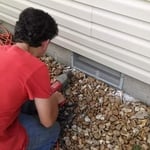
foundation vent covers
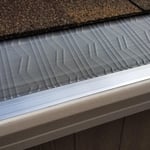
Leafblaster gutter guard
Soffit return exclusion
Wildlife exclusion
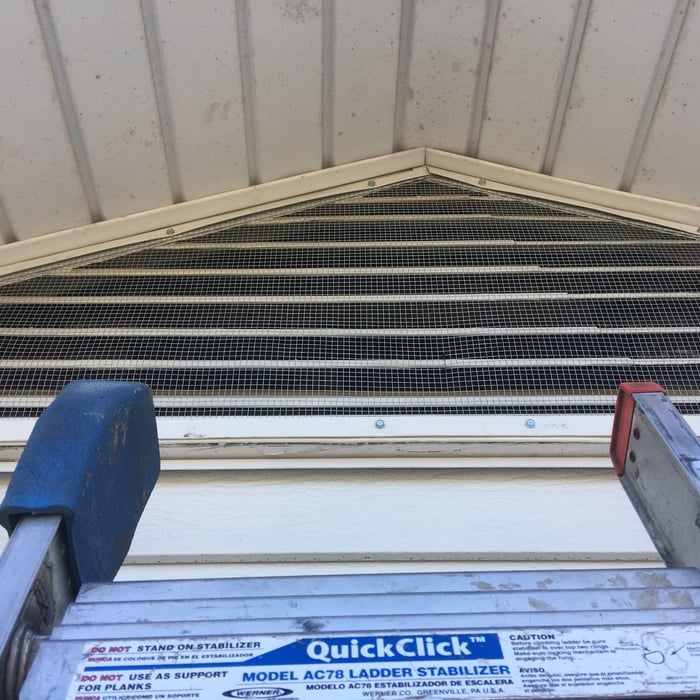
Gable vent screening with aluminum trim

+14

Response time3 hrs
Recommended by80%of homeowners
Bird Control questions, answered by experts

Trees that provide a habitat to bats and an abundance of bugs—their main food source—will attract bats to your yard. Because the North American landscape has changed so much in recent years, bats have a harder time finding trees with cavities to shelter in. If your yard has a dead or dying tree with a lot of sun exposure, bats will likely be drawn to it because trees with those features are less common.

When woodpeckers start banging on your walls or roof, they are probably looking for insects to eat, storing nuts for winter, drilling a hole to make a nest, or communicating with other birds to establish territory or find a mate.

The size of the hole can help determine the reason for the pecking. Small irregular holes are a result of insect hunts. Acorn holes are more consistently sized and often fitted with a nut in the middle. Nest holes are large and have rounded edges. If the bird is pecking to mark its territory or attract a mate, it may leave dents rather than holes, and the noise will stop when the mating season starts in spring.

Animal removal specialists specialize in removing critters and wildlife from in and around your home. These include:

  • Bats

  • Birds

  • Groundhogs

  • Moles and voles

  • Opossums

  • Mice and rats

  • Raccoons

  • Skunks

  • Squirrels

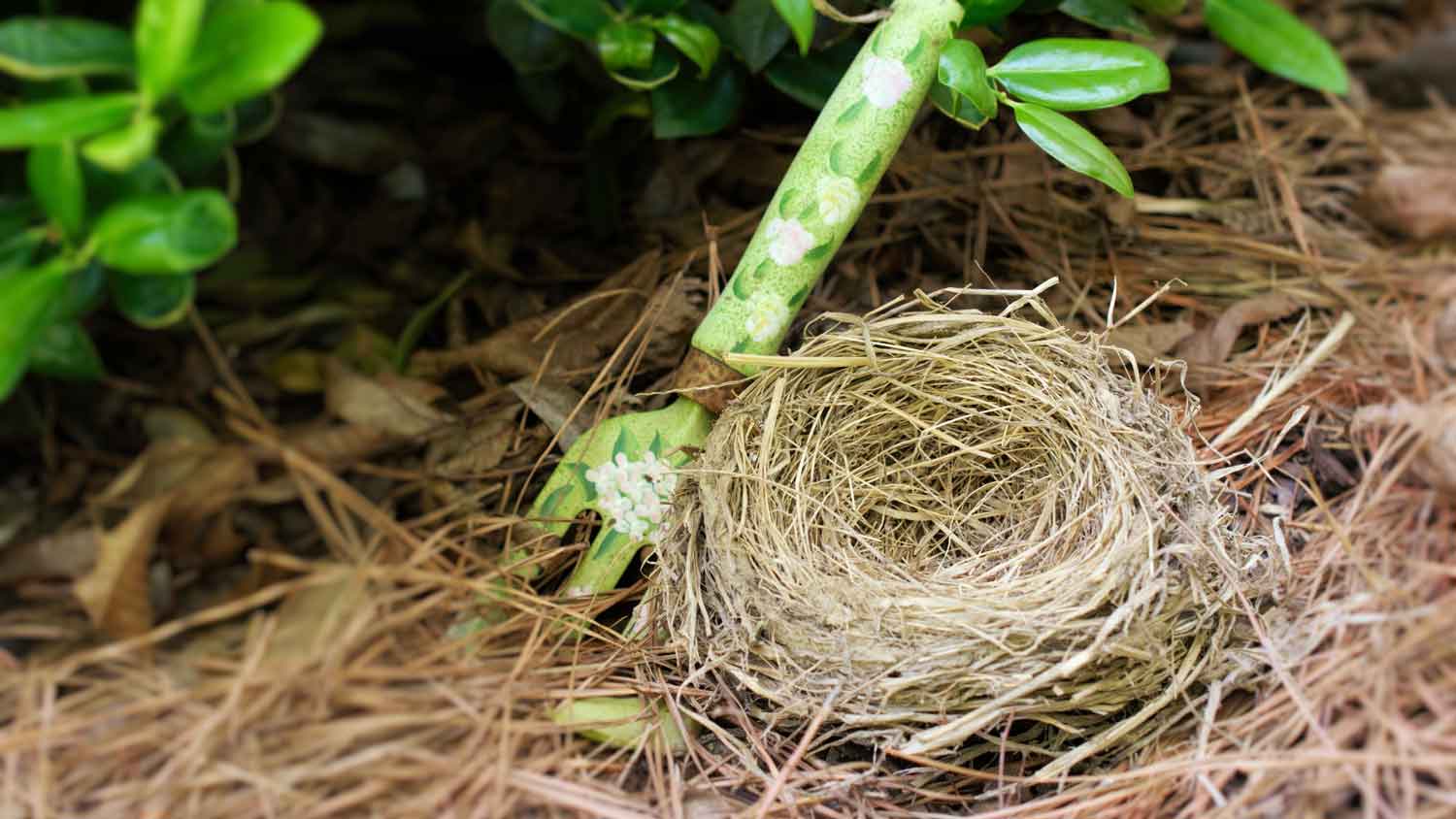
The specialist's method to remove these critters will depend on the animal. For example, groundhogs will be live-trapped and relocated, whereas, for birds, the expert will remove and discard the inactive nest and sanitize the area. 

It can be difficult to know what type of animal is in your attic until you see it. But several clues can help you narrow down the suspects:

  • Sounds: Smaller animals like rats and mice make scurrying and tapping/gnawing sounds. Larger animals like raccoons and opossums make louder clambering noises. Also, note when animals are noisy: Squirrels are active during the day, while rats are busiest at night.

  • Droppings: Rats and mice leave small, rice-shaped droppings (the rat’s version is significantly larger). Bigger droppings belong to larger critters like raccoons. As long as you’re not squeamish, an image search can help you identify what you’re seeing in your attic.

When in doubt, take photos of damage or other evidence and show them to an experienced pest control pro.

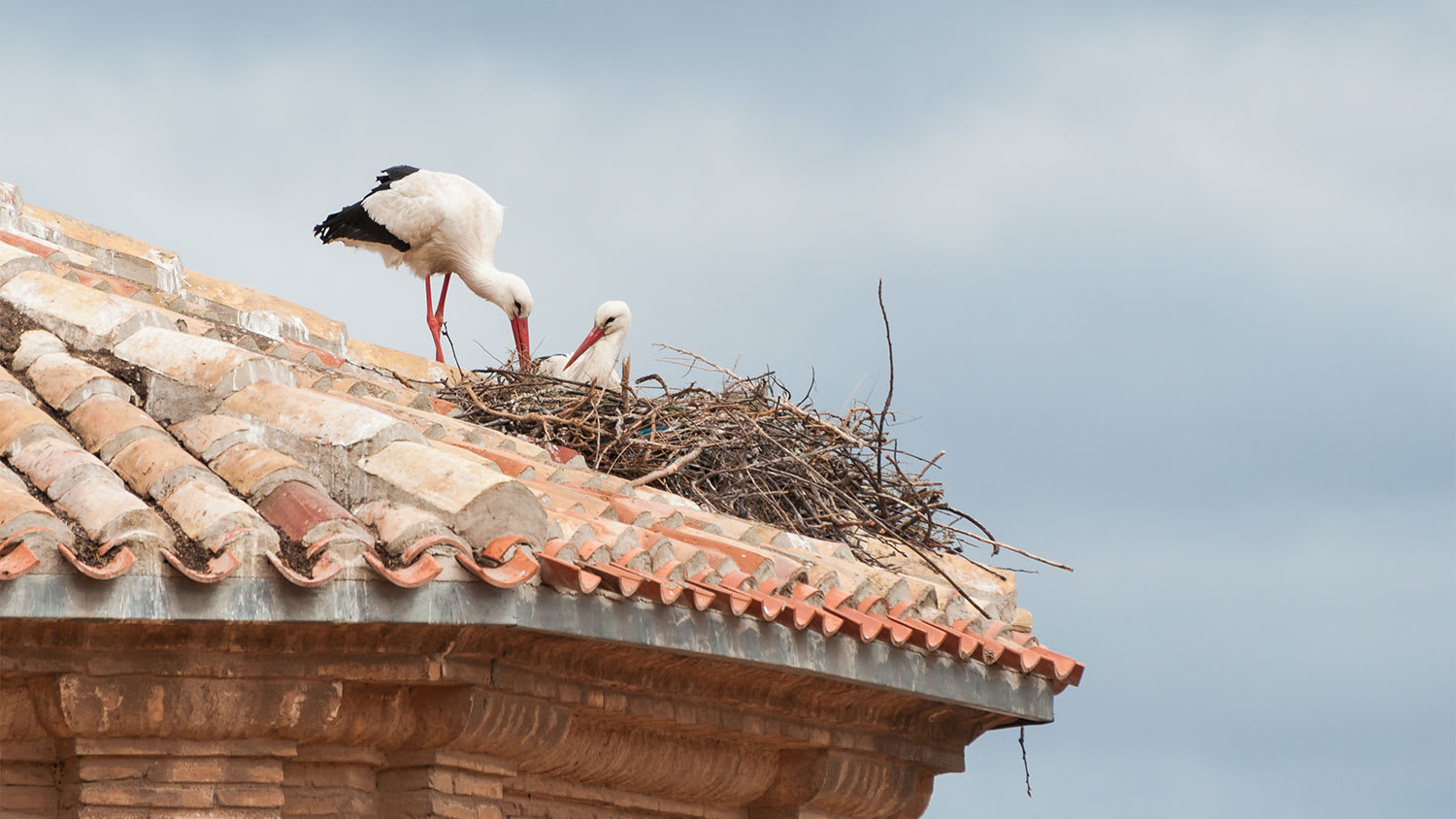
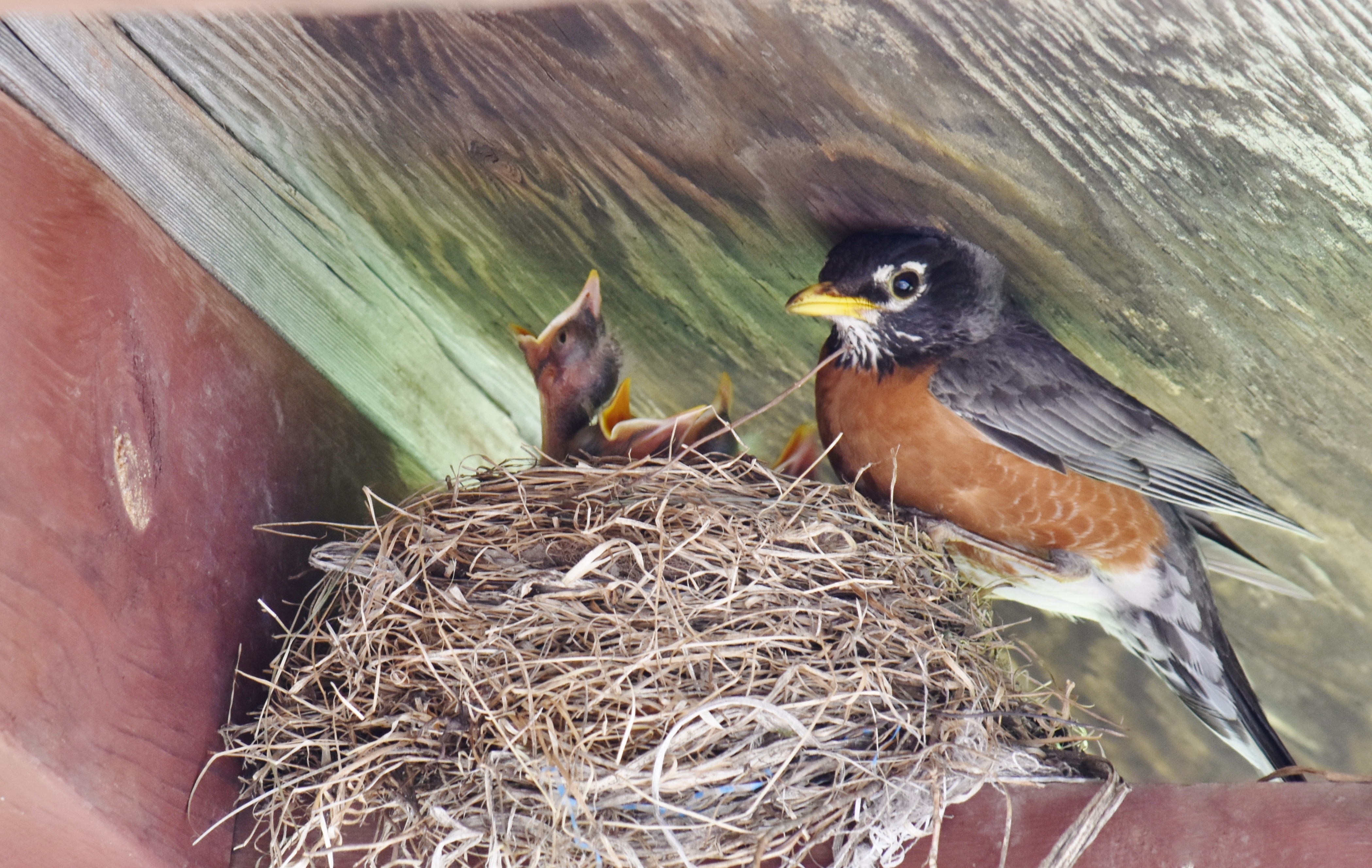
The lifespan of a bird's nest depends on the species. The building process can take from two days to three weeks. Once built, the nesting period for baby birds can last from two to ten weeks before they leave the nest. While most young birds are ready in two to six weeks, some predatory species may need up to two and a half months. Some species nest four to five times per year, so a nest could remain in use for several months. For specific information about a particular nest's longevity, it is best to consult a wildlife professional.

The De Soto, IL homeowners’ guide to bird control services

From average costs to expert advice, get all the answers you need to get your job done.