

Top-rated paving pros.

Get matched with top paving pros in Bluford, IL

Enter your zip and get matched with up to 5 pros

Need a pro for your paving service project in Bluford, IL?

Select your specific project to find the pro for you.

Find Paving pros in Bluford

Avatar for Driveway911.com
Driveway911.com
4.4(
13
)

Serving Bluford, IL and surrounding areas

Approved

In business since 1991

Free estimates

Emergency services offered

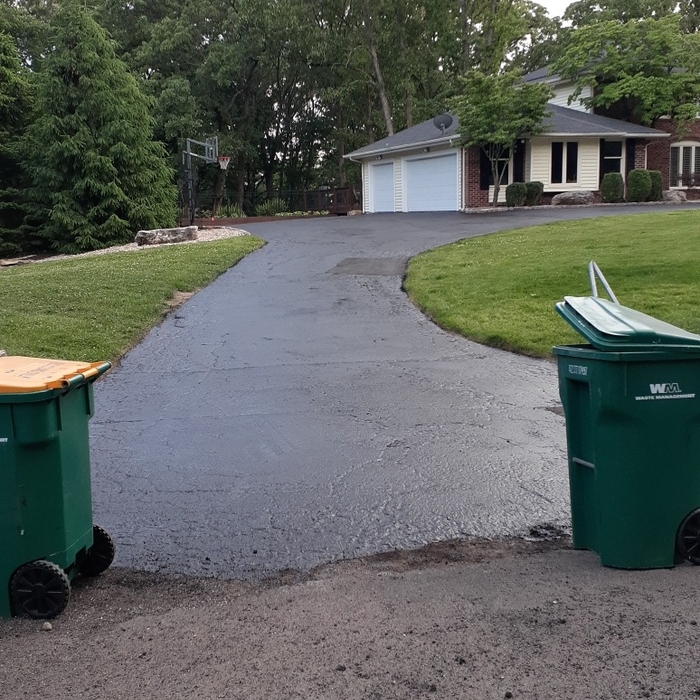
"Adam was fantastic. Clean lines down our long driveway. Really enhances the entire property. Provided a quote and stuck to it. Showed up on time and stuck to schedule. Definitely recommend!"
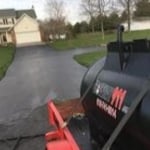
Edwardsville IL Asphalt Sealcoating
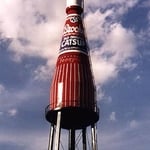
Worlds Largest Catsup Bottle Collinsville IL Asphalt Seal Coat
Chesterfield Asphalt Sealcoating
Asphalt Repairs and Seal Coat Collinsville IL
Asphalt SealCoat

+23

Response rate100%
3 neighbors recently requested a quote
Recommended by84%of homeowners

Avatar for Vallie's Asphalt
Vallie's Asphalt
5.0(
4
)

Serving Bluford, IL and surrounding areas

In business since 2004

Free estimates

Small jobs welcome

"Hired valleys asphalt to pave my driveway. They did an outstanding job, they went above and beyond. Very respectful and mannerly. I would recommend them to anybody"
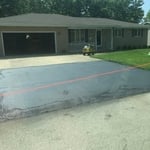
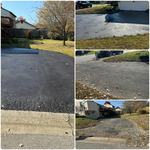
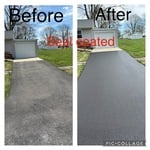
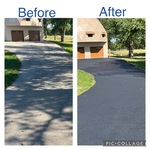
seal coat :before & after photo
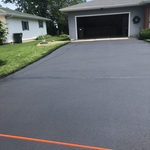
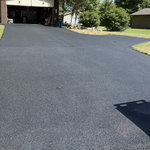
seal coat: before & after photo
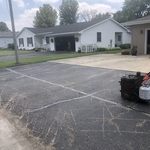
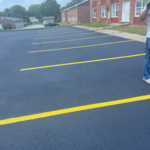
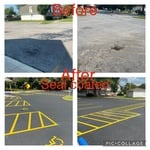
seal coated parking lot: before & after photo
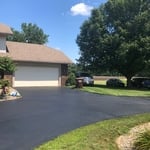
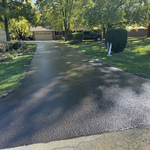
seal coat: before & after photo
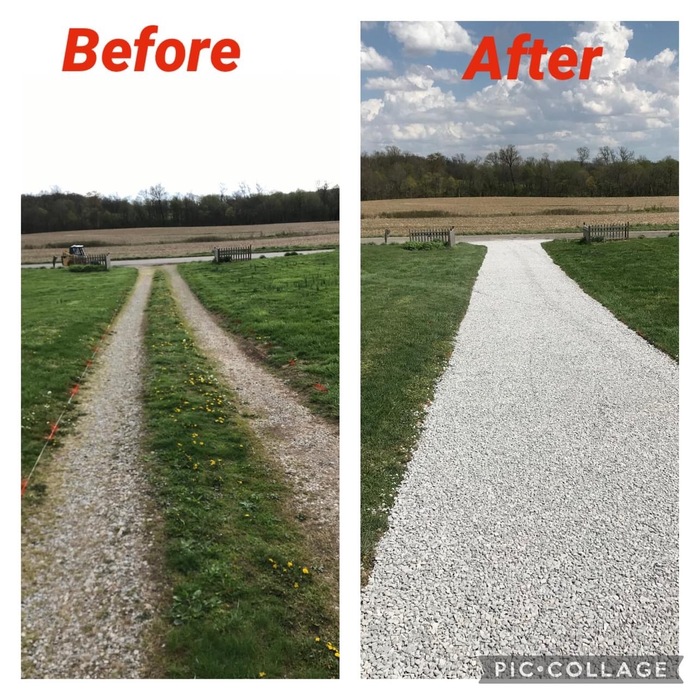
grading/gravel: before and after photo

+15

Response time30 mins
Recommended by75%of homeowners
Showing 1-10 of 30
Paving Services questions, answered by experts

Asphalt and tarmac are not the same thing. Traditional tarmac, short for tarmacadam, uses tar as a binder to hold crushed stone together. Asphalt uses bitumen—a byproduct of crude oil—to bind aggregate. Though tarmac was once a go-to for roads, asphalt has become the modern standard. And these days, most surfaces referred to as “tarmac” are actually asphalt. So, while the names may overlap, the key distinction lies in the binder—tar for tarmac and bitumen for asphalt.

Compared to a 10x20 concrete driveway costing between $800 and $3,000, a resin bound driveway of the same size costing $3,900 to $4,000 is the more expensive option. However, the cost still makes resin a cheaper option compared to a 10x20 paver driveway costing an average of $12,000.

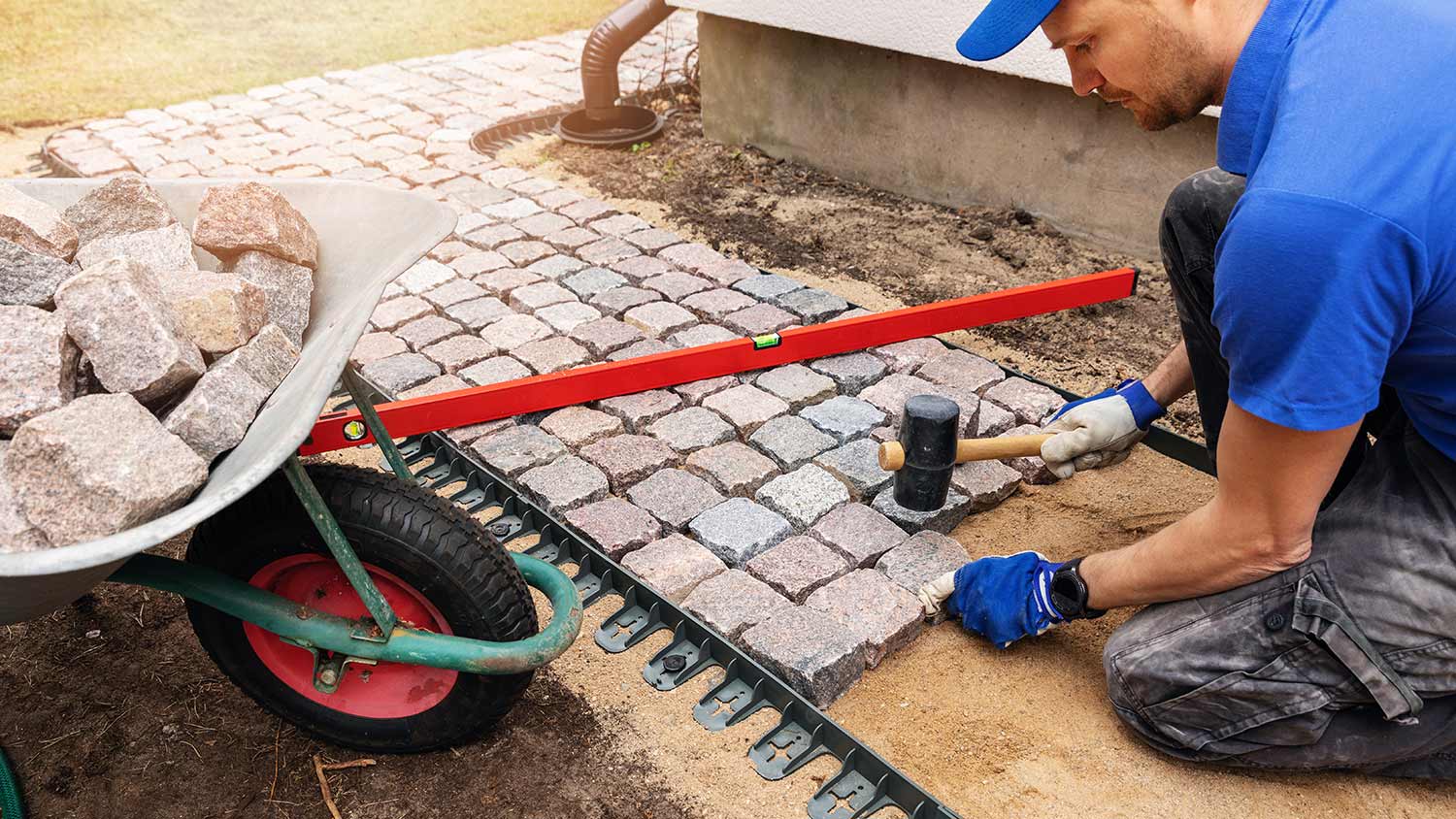
After removing existing moss, consider using paver blocking sand to fill the joints. This specialty material hardens once placed and serves as an effective barrier against moss and weeds. From there on, regularly clean your pavers and try to keep them dry. You can also seal your paver as a semi-permanent solution — just make sure you reseal every 3 to 5 years.

The layer of polymeric sand under the pavers plus the polymeric sand that gets swept into the joints between your pavers holds them in place in a few ways. For one, the gritty texture of the sand helps lock the pavers together. Polymeric sand also contains bonding agents that get activated by water. Polymeric sand will take between 24 and 48 hours to fully cure, so do not walk on your paver walkway before this time.

The answer to whether or not you need to get a permit before you start your driveway can vary widely based on local ordinances and the scope of your driveway ideas. In most urban and suburban areas, a permit is needed before building a new driveway to ensure that a homeowner is using safe materials and proper drainage practices while designing and constructing a new driveway. In some rural areas, a homeowner may not be required to apply for a permit. When building a new driveway on your own, always check with your local building department to see if you need to request a permit. When hiring a driveway contractor, verify that the right permits are being used before driveway construction begins.

The Bluford, IL homeowners’ guide to paving services

From average costs to expert advice, get all the answers you need to get your job done.