



Top-rated generator install pros.

Get matched with top generator install pros in Amboy, IL

Enter your zip and get matched with up to 5 pros

Need a pro for your generator install project in Amboy, IL?

Select your specific project to find the pro for you.

Find Generator install pros in Amboy

Avatar for Tri-State Water, Power & Air
Tri-State Water, Power & Air
5.0(
5
)
Fixed Generator - InstallGenerator - InstallGenerator - Install - For Business

Serving Amboy, IL and surrounding areas

Approved (Corporate)

In business since 1992

Free estimates

Emergency services offered

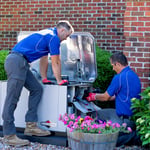
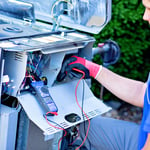
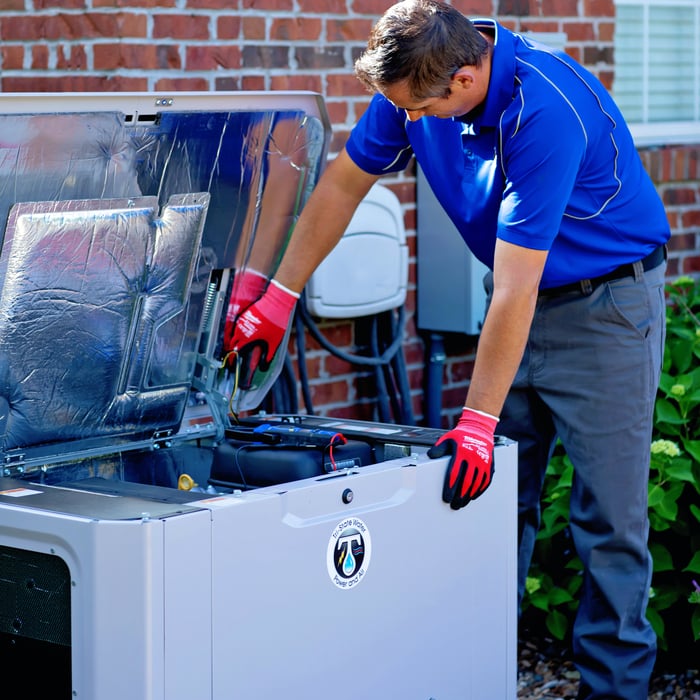
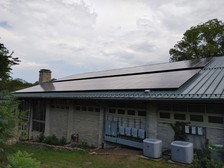
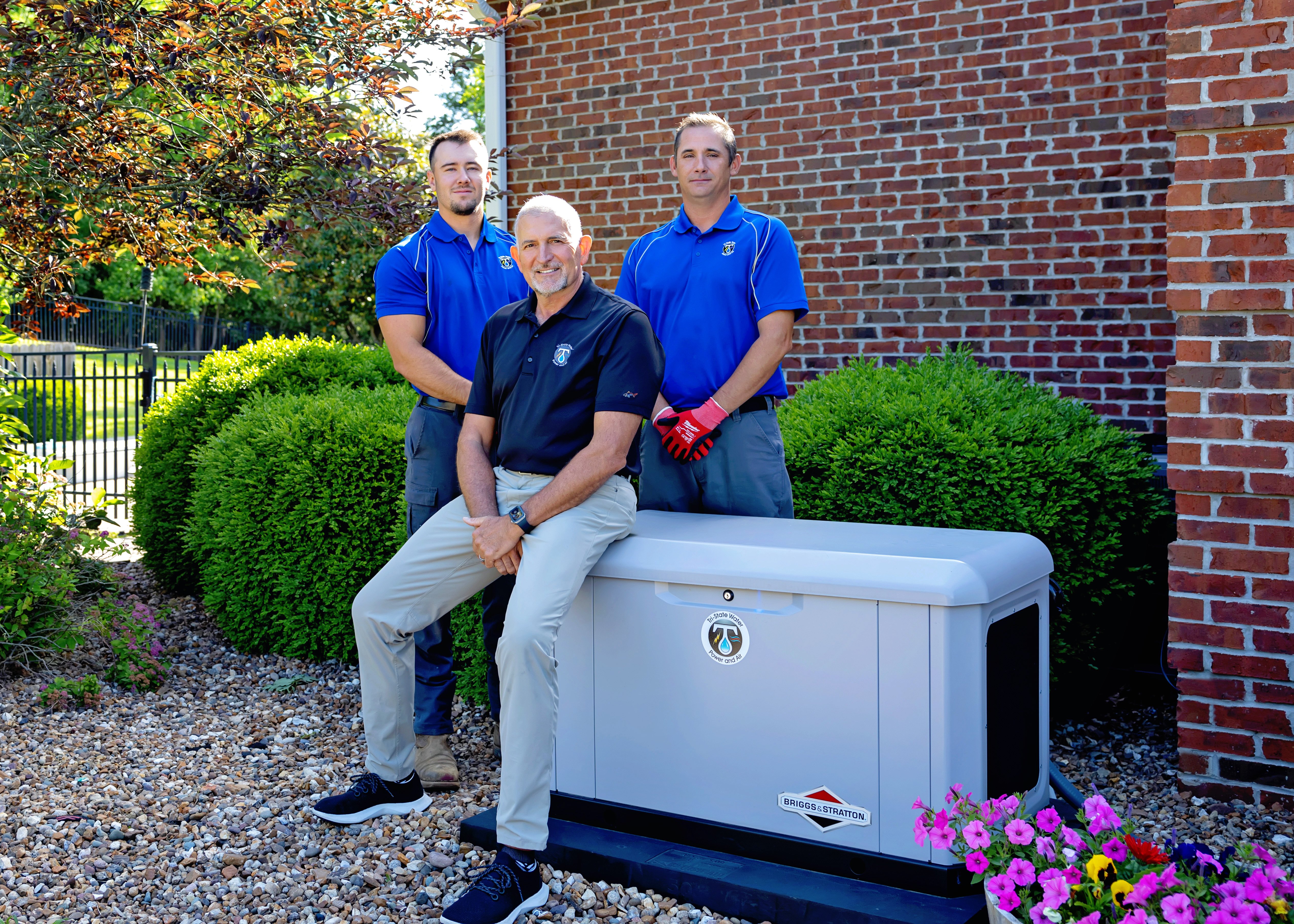
We are the experts in the field of Whole Home Generator Sales and Installation, with over 20 years of experience in the game.\nWe provide turn-key installation by licensed professionals - 24 hour emergency service - Remote Monitoring - Long term maintenance and service by factory trained technicians.
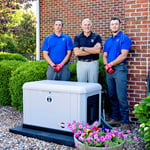
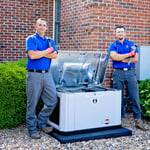
Additional Photos
Additional Photos
Additional Photos
Additional Photos
Additional Photos

+3

39 neighbors recently requested a quote
The Electric Guys LLC
5.0(
6
)
Fixed Generator - InstallFixed Generator - RepairGenerator - Install - For Business+2 more

Serving Amboy, IL and surrounding areas

Approved

In business since 2023

Free estimates

Credit card accepted

"I first asked for a quote back in February of 2024. When I received the quote I decided to wait on this project. Then we lost power for 2 days due to a storm. I then decided it was time and contacted the contractor again. He sent me an updated quote and the project was scheduled. It's now installed and I'm very happy with how it turned out. Hopefully it will be a long time before we need to use the generator because we lose our power. But we are ready when it happens. I will definitely use this company again for any electrical jobs that come up. Andrew and his crew were great."
Response time1 day
Recommended by100%of homeowners
Ott Electric LLC
New to Angi
Generator - Install - For BusinessGenerator - Repair - For Business

Serving Amboy, IL and surrounding areas

Driven to Success for Our Customers.\n\nWith a rich history of 35 years in the electrical field, Ott Electric has earned a reputation as a dynamic, proactive and resourceful electrical contracting that is dependable, dedicated and driven to success. Ott�s high level of commitment to customers and community is unsurpassed.\n\nWe take pride in our hands-on, disciplined approach to electrical project management. It begins with our in-depth services and follows through with our comprehensive design and assist services. Customers also rely on our expert design/build services to deliver all aspects of their project We drive the entire process to exceed expectations.\n

Generator Install questions, answered by experts

Generators run on a variety of fuel types, ranging from natural gas to solar power. Keep in mind that fuel costs varying by type:

  • Natural gas: $2,000–$21,000 per year 

  • Liquid propane: $2,000–$21,000 per year

  • Diesel: $3,000–$20,000 per year

  • Gasoline: $500–$3,000 per year

  • Solar generator: $2,000–$25,000 per unit

  • Battery backup: $10,000–$25,000 per unit

No, you should never plug a generator directly into a wall outlet in your house. This practice is extremely dangerous, often illegal, and can cause "back-feeding," where power from the generator flows back into utility lines, creating a life-threatening hazard for utility workers. It can also damage your home's electrical system, including appliances like pumps and HVAC fans. If the main power is restored while the generator is connected, it can destroy the generator and cause an electrical fire. To safely connect a generator, you must use a professionally installed transfer switch or an interlocking kit, which prevents back-feeding by disconnecting your home from the utility grid before the generator provides power.

To determine the right size generator for your house, you should calculate the total wattage of the appliances and devices you want to power during an outage. List all essential items, note their start-up wattages, and add them together.

Here are some typical wattage requirements for common appliances:

  • Refrigerator: 600 watts

  • Large dehumidifier: 700 watts

  • Large window air conditioner: 1,400 watts

  • Water heater: 3,000 to 4,500 watts

  • Electric furnace: 5,000 to 25,000 watts

A 7,500-watt generator might be sufficient for essentials like a refrigerator, freezer, well pump, and lighting circuits. However, for high-demand items like a water heater or furnace, a whole-home generator is a better choice. A portable generator may be enough if you only need to power a few critical items.

While home square footage can offer a rough estimate, it is not always a reliable indicator. For reference, here are some typical generator sizes based on square footage:

  • 1,000 sq ft: 6–9 kW

  • 1,500 sq ft: 7–10 kW

  • 2,000 sq ft: 10–14 kW

  • 2,500 sq ft: 12–16 kW

  • 3,000 sq ft: 16–20 kW+

For the most accurate sizing, consult a professional who can calculate your home's peak and average power consumption and recommend the optimal generator.

Generators are safe to use as long as they are installed and operated correctly according to the manufacturer's recommendations. The most critical safety tips are to never use a portable or fuel-powered generator inside an enclosed space due to the risk of lethal carbon monoxide poisoning; always operate it outdoors where fumes can dissipate away from your home. Additionally, never attempt to connect a generator to your home’s electrical panel yourself—hire a professional to ensure the setup meets safety standards. Finally, avoid overloading the generator by not connecting more appliances than it is rated for, as this can damage your equipment or cause a fire.

If you’re wondering if you can use your electric vehicle as a backup battery, it depends on whether your EV is compatible with bidirectional charging. This technology allows energy to flow both ways, enabling vehicle-to-home (V2H) backup power, vehicle-to-load (V2L) for appliances and camping, and vehicle-to-grid (V2G) to support the power grid. Compatible EVs convert stored DC energy into usable AC power, helping reduce energy costs and enhance grid stability while providing emergency backup power.

The Amboy, IL homeowners’ guide to generator installs

From average costs to expert advice, get all the answers you need to get your job done.