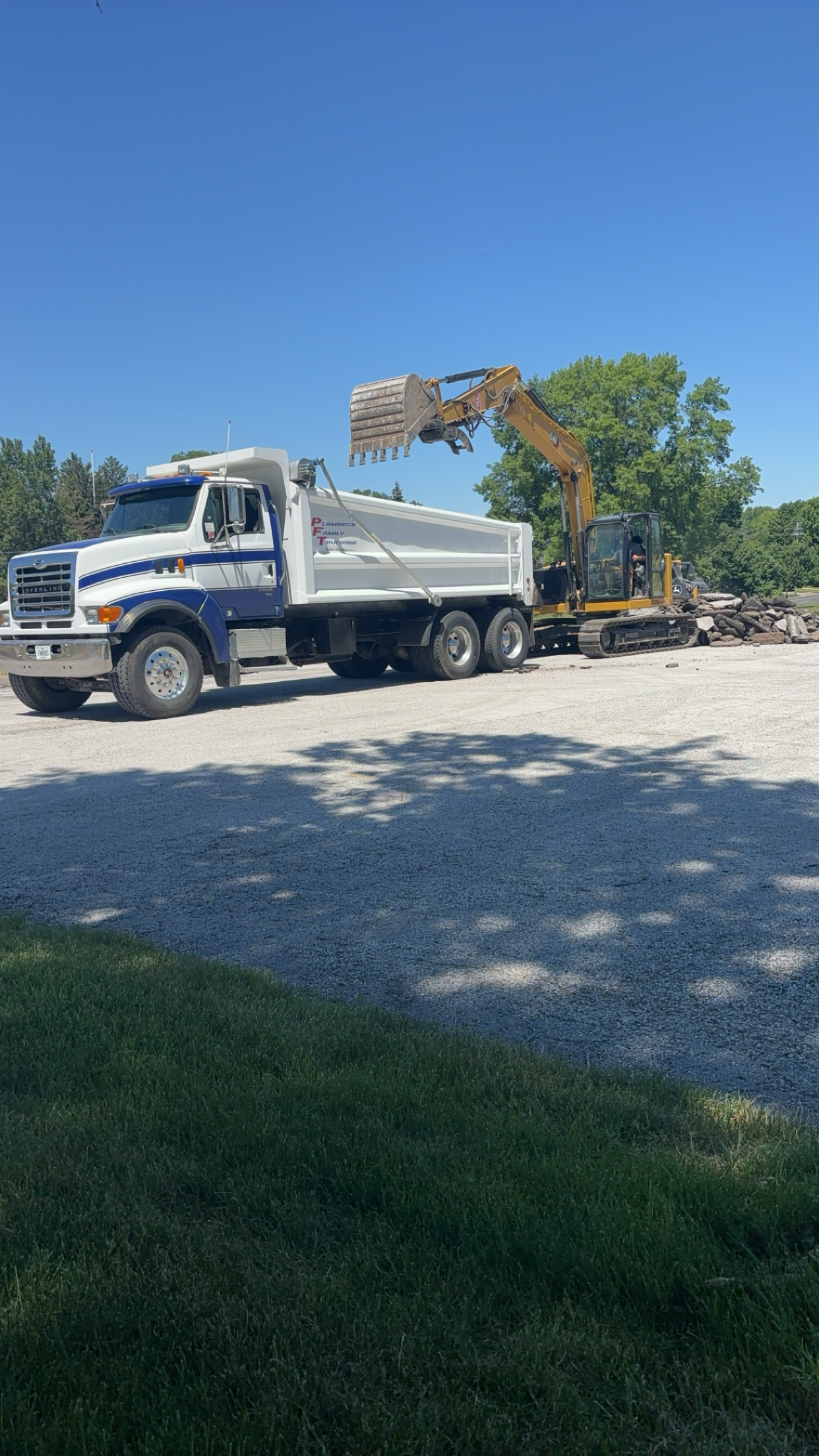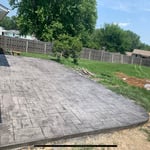






If you’re looking for a similar, eco-friendly driveway material, you might consider one of these options:
Permeable pavement: This material is sometimes called “pervious” or “porous” pavement; it allows stormwater to drain into the subbase, eliminating storm drain costs.
Gravel: Consider paving your driveway with locally sourced gravel. By sourcing from a nearby source, your money won’t fund international shipping and will be invested back into your local community.
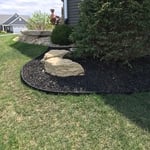
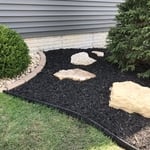
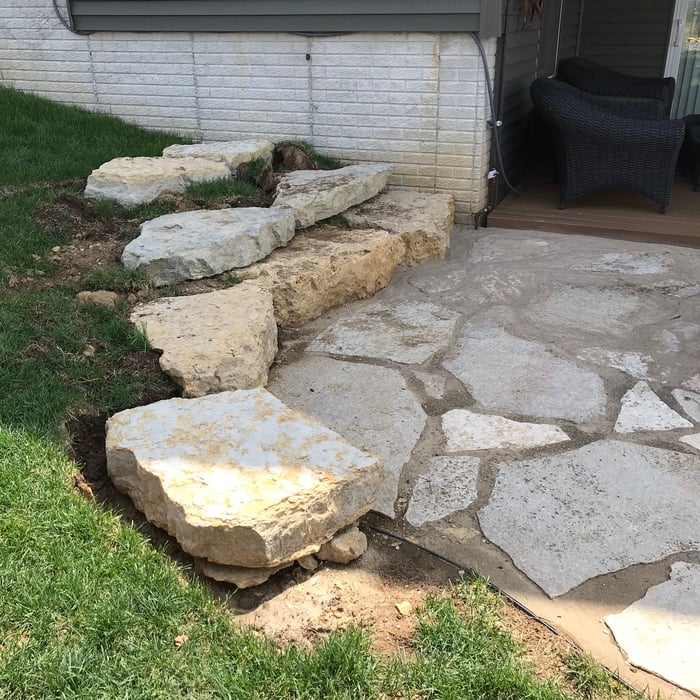
Natural stone pavers: Because natural stone pavers are made from organically-produced stone, there’s no new manufacturing required, limiting the environmental impact. In addition, water easily flows and drains through the gaps in the pavers.
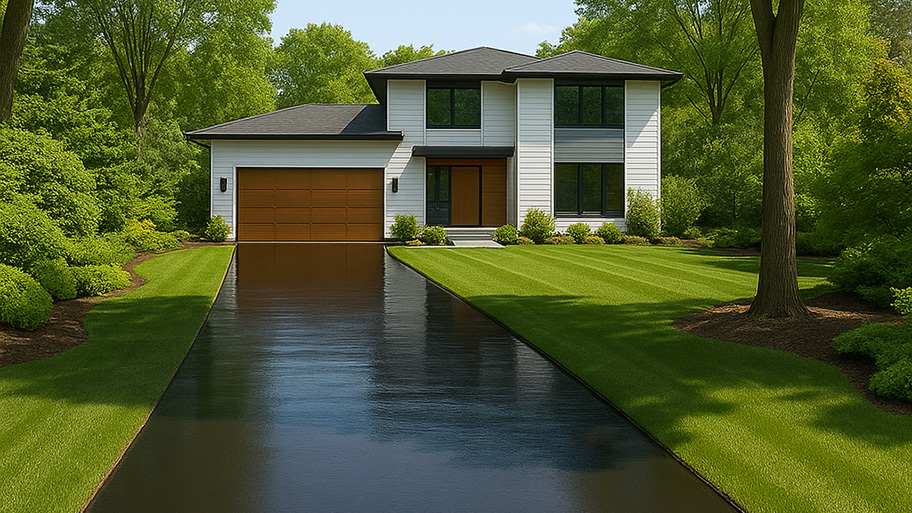
Your driveway contractor will probably recommend that you avoid driving on your new millings driveway for up to a week. Keeping pressure off the freshy applied millings will help the driveway to bind together. While the sun is helpful for binding millings, hotter weather can actually make the curing process take longer.
In most cases, you don’t need a permit to repave your driveway, although some exceptions exist. If you’re widening your driveway and plan on widening the apron as well, you’ll usually need a permit from the Department of Transportation in your area. This permit costs between $50 and $300 in most cases. Most municipalities will also require a certified and insured contractor do the work relating to the apron and curb cut. You can contact your building department or ask your paving company if you need a permit. Your driveway professional will usually pull the permit for you.
Regular cleaning, sealing, and timely repair of cracks help maintain its condition.
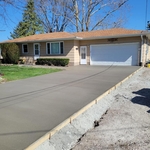
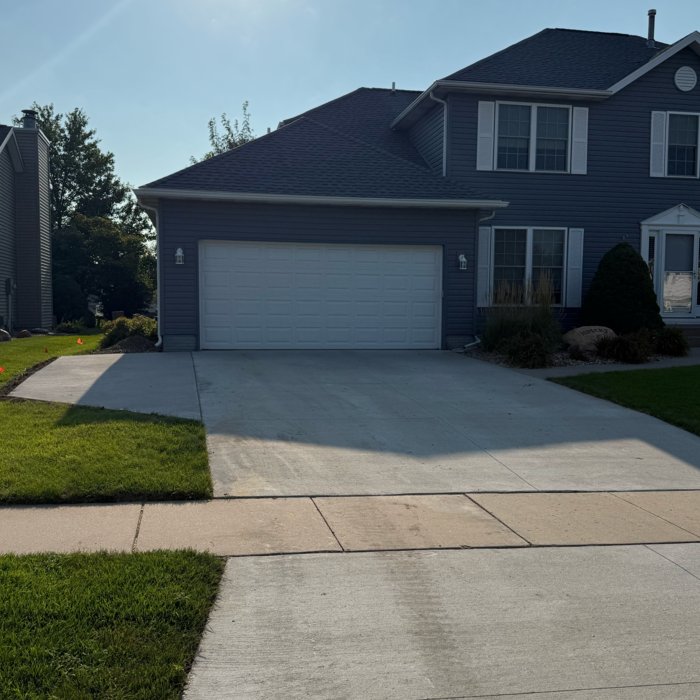
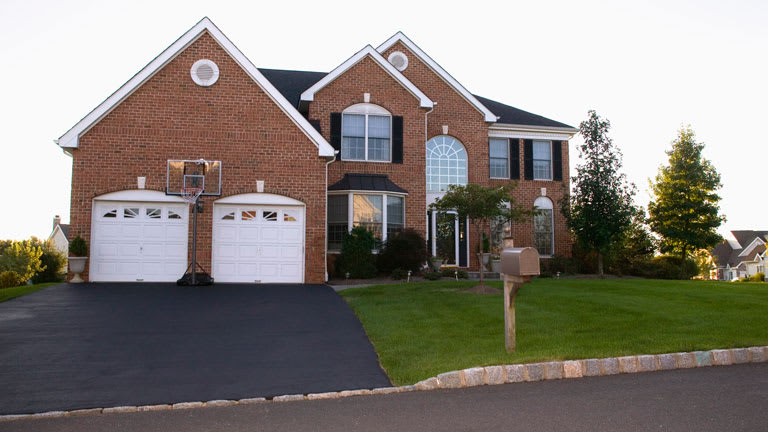
A driveway approach is the part of a driveway where the public road meets the private driveway. This section contains several key elements, including the driveway apron, the curb cut, and the end slope. Depending on the slope of the driveway, this area may also contain the trench drain.
The Aledo, IL homeowners’ guide to asphalt driveway services
From average costs to expert advice, get all the answers you need to get your job done.
If you need to remove old asphalt before putting down a new driveway, the cost will vary based on the size of the driveway you're removing, the method used to remove asphalt, and whether you hire a pro or try DIY asphalt removal.
With proper asphalt driveway maintenance, your home’s entrance should last around 25 years. This detailed guide will help you maximize your exterior investment.
Asphalt driveways take anywhere from 48 to 72 hours to dry enough for vehicles. Stay tuned to learn more about how long before you can drive on asphalt.