




Top-rated drywall pros.

Best drywall pros near Aledo, IL

Enter your zip and get matched with up to 5 pros

Need a pro for your drywall service project in Aledo, IL?

Select your specific project to find the pro for you.

Top-Rated Drywall pros in Aledo - Updated Nov 2026

Avatar for Hansen Building & Renovations, LLC
Hansen Building & Renovations, LLC
5.0(
2
)
Drywall - InstallDrywall - Install - For Business

Serving Aledo, IL and surrounding areas

Approved

In business since 2024

Free estimates

Offers commercial services

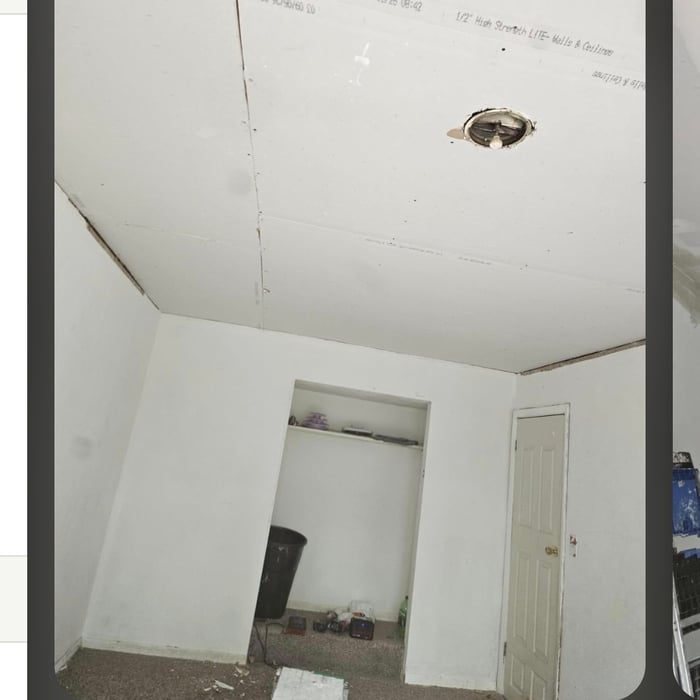
"Wade does 95% of the work himself. Bid was more than fair for our project and there were no cost overruns. I was very pleased with the quality of the work and so was the city building inspector. Wade handled changes to the project when we had to move a door and stairs to a different wall midway through the project. We've already hired him for another project."
Response time3 days
1 neighbors recently requested a quote
Need a guy inc
New to Angi
Drywall - Repair

Serving Aledo, IL and surrounding areas

Approved

Free estimates

Small jobs welcome

Hello, my name is Josh. Im 20 years old, I have a strong back, and just enough experience to help you accomplish what you might not be able to. Whether its because you are inexperienced/unable, too busy, lack the proper tools/equipment, or simply because you don't want to (trust me, im the last one to judge). I have professional experience in construction, minor landscaping, and instalation. This includes concrete flatwork, grading (gravel, soild, sand, ect), lawn/garden maintenance, minor carpentry, mounting/instalation. I can paint, clean, im not afraid to use a ladder or get on your roof. I have a pickup truck if you need to move furniture or other large objects, and the capability to load it for you. Bottom line is that what ever task you cant acomplish on your own, I can handle, no questions asked, no crazy 2 hour minimums or really any bs in general. If youve ever thought "I need a guy for this" Josh is your man

4 neighbors recently requested a quote
...
Showing 1-10 of 72
Drywall FAQs, answered by experts

Vinegar and bleach are effective options for removing mold from drywall. Vinegar is a better choice if you have a smaller mold issue while bleach is best if you have a larger mold problem. If the area you're cleaning has limited ventilation, using vinegar would be a better option. In that case, you could mix vinegar with baking soda to remove more stubborn mold growth.

Drywall can be installed directly on ceiling joists. In fact, this method is common in many construction projects. Drywall sheets are attached to the joists using screws, ensuring a secure and stable installation. Before attaching the drywall, it's important to mark the joist locations on the ceiling, allowing for accurate screw placement. Proper spacing between screws and careful taping and mudding of joints are crucial to creating a smooth and flawless ceiling surface. If the joists are in good condition and level, installing drywall directly on them is a practical and efficient approach.

You’ll get better results if you soundproof the whole wall. A hole through which light can pass can also let sound waves in. Acoustical or silicone sealant applied to holes and cracks can block enough sound to make a difference. However, the more layers absorb vibrations and slow or stop sound waves, the less noise you’ll have. 

While every home has its own unique needs, ceiling drywall installation typically follows a staggered or stepped pattern to enhance structural integrity and reduce the visibility of seams. Starting from one corner, sheets are placed perpendicular to the ceiling joists, with the ends of adjacent sheets meeting along the center of the joist. The next row begins with a half sheet, ensuring joints don't align vertically. This alternating pattern, combined with proper taping and mudding, creates a seamless appearance and strengthens the ceiling structure, minimizing the risk of cracks over time.

Although they have similar applications, spackle and joint compound are not the same. Their primary differences lie in their composition, consistency, and ideal use cases.

Spackle is composed of gypsum and binding agents, making it thicker than joint compound. It dries quickly and is easy to sand, which makes it ideal for small wall repair projects like filling nail holes or patching minor damage.

Joint compound, also known as drywall mud, consists of limestone and gypsum. It is primarily used for large-scale projects, such as taping and finishing the seams on newly installed drywall. It tends to shrink more than spackle and can be more difficult to spread.

While both products can be used to fill small depressions and cracks, spackle cannot replace joint compound for taping and mudding new drywall. Conversely, you can often use joint compound for small patching jobs typically done with spackle.

The Aledo, IL homeowners’ guide to drywall services

From average costs to expert advice, get all the answers you need to get your job done.