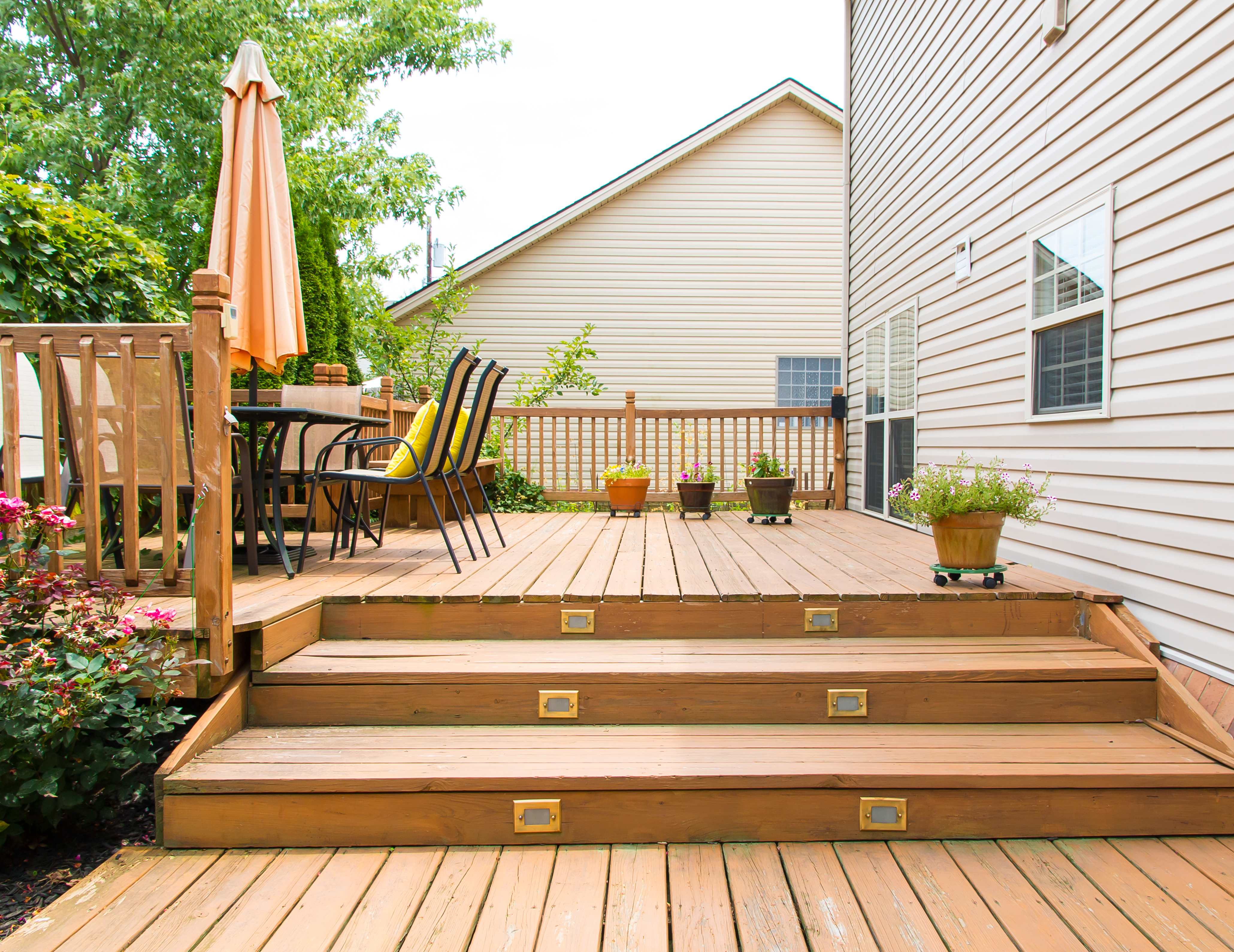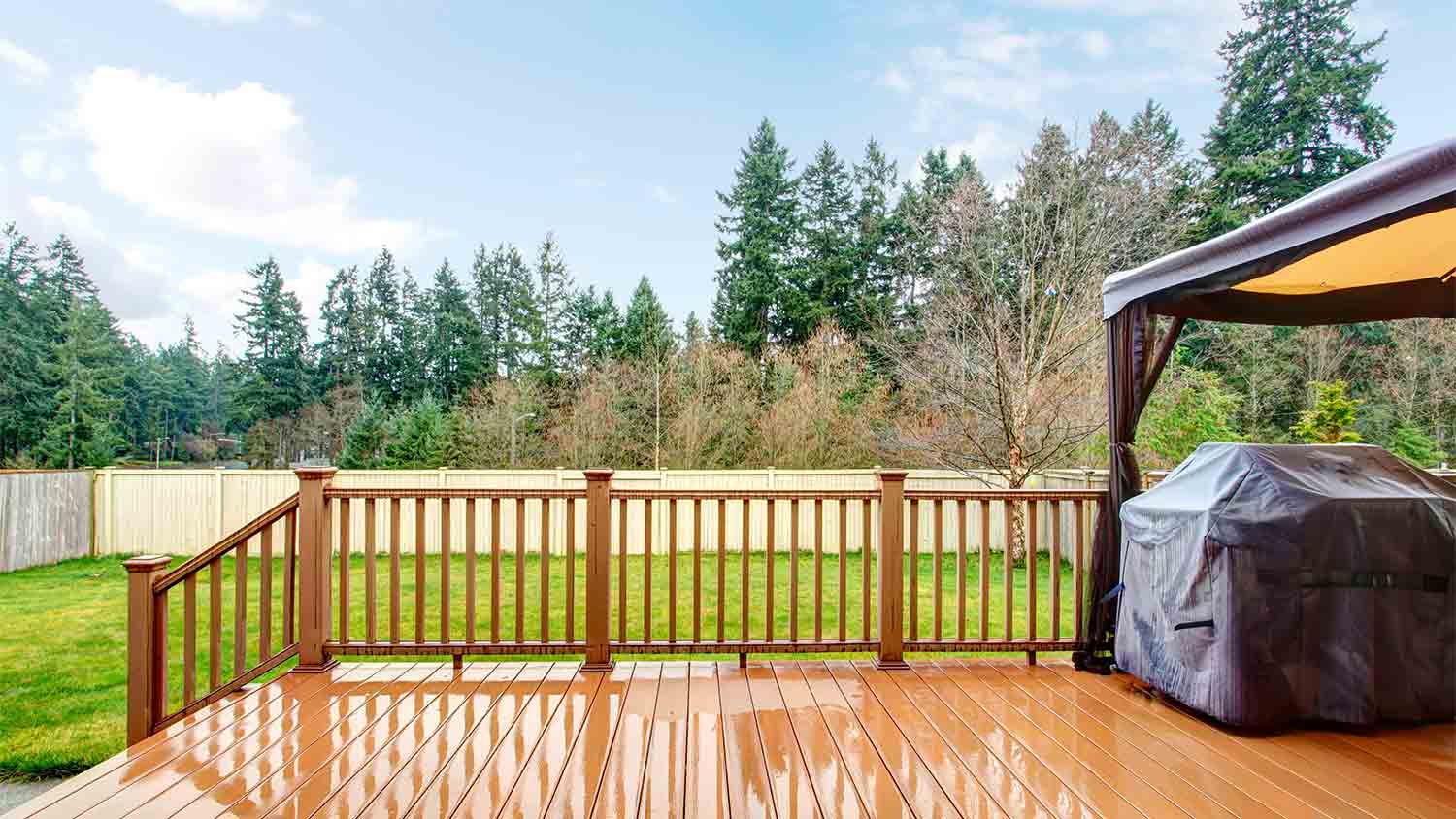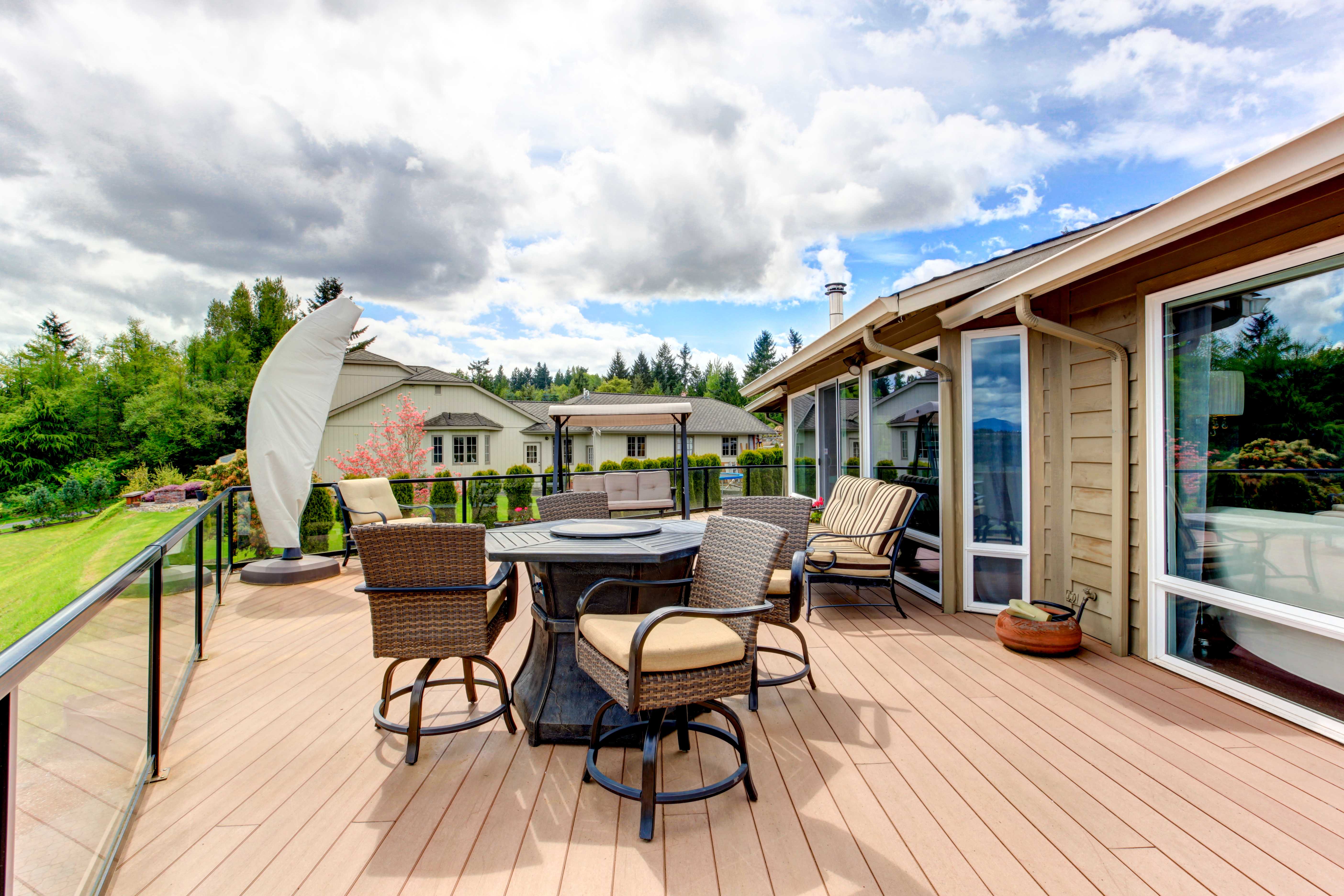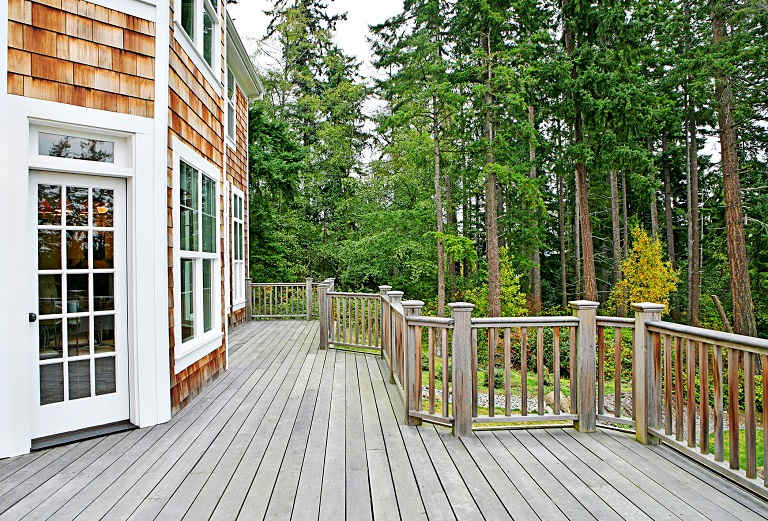





Top-rated deck staining pros.

Get matched with top deck staining pros in Teton, ID

Enter your zip and get matched with up to 5 pros

Need a pro for your deck staining project in Teton, ID?

Select your specific project to find the pro for you.

Find Deck staining pros in Teton

Avatar for Grand Teton Painting
Grand Teton Painting
5.0(
2
)

Serving Teton, ID and surrounding areas

In business since 2000

Free estimates

Credit card accepted

"I really enjoyed working with Grand Teton painting. They came and stained the outside of my house. I loved how they communicated with me every step of the way and I loved the results. I definitely will have them come back to do my interior. I totally recommend them if you are in the Teton valley."
Response time10 mins
Recommended by100%of homeowners
Quality Roofing & Handyman Service
New to Angi

Serving Teton, ID and surrounding areas

In business since 2015

Free estimates

Let Quality Roofing & Handyman Service complete your next home improvement project for you!!! No remodel project is too small. We have completed many new roofing installations and home remodeling projects for homeowners around the area. We also offer handyman services to assist you with those multiple projects around your home that you never seem time to complete yourself. Call us today to discuss your home improvement needs.

Response time1 day
Showing 1-10 of 14
Deck Staining questions, answered by experts

An exterior paint job typically lasts between 5 and 10 years, though this can range from 3 to 17 years depending on several factors. The longevity is influenced by the quality of the paint and primer, the quality of the application, the local climate, and the type of surface being painted. For example, paint on wood siding may need to be redone every 3 to 7 years, while painted brick can last up to 17 years. Aluminum siding often needs repainting every 5 years.

For the longest-lasting exterior paint, consider acrylic or enamel (oil-based) paints. Acrylic paints, including acrylic latex and acrylic enamel, are known for withstanding harsh weather and sun exposure. Enamel-based paints are also one of the most durable options available. While latex paint is common, it typically has a shorter lifespan than acrylic or oil-based options. The paint's finish also affects its durability; a higher gloss finish is generally more durable. For resistance to moisture and cracking, matte and satin finishes can be effective, while a high-gloss acrylic or oil-based paint offers a combination of maximum longevity and durability.

Satin paint is generally considered a better choice for woodwork—including trim, baseboards, cabinets, and doors—than flatter finishes like eggshell or matte. Its soft sheen enhances architectural details and stands up well to frequent cleaning and daily wear. Compared to eggshell and matte finishes, satin is more durable for high-touch areas because it is less porous and doesn't absorb dirt as easily. Matte finishes, in particular, are prone to scuffs and are harder to clean, making them less practical for surfaces like doors and cabinets.

Opt for an interior wood stain that is rated for your type of wood. Consider your personal style preferences as well as the overall use of the room when choosing a color. Remember, the color you see at the store may look different on your actual floors once applied. This is why if you have the chance, it’s helpful to test a few options on a scrap piece of wood in the room first. Once you narrow it down, you can test a small patch on an inconspicuous area in the room to see it on the actual floors.

Staining or sealing a cedar deck or fence is highly recommended to extend its lifespan and protect it from the elements. While cedar is naturally resistant to mold and mildew, it is not impervious to damage from moisture, sun exposure, splintering, fading, and rot over time. Applying a protective finish creates a shield that preserves the wood's strength and appearance, potentially extending its life by five to 10 years.

When choosing a finish, it's helpful to understand the difference between a sealer and a stain. A sealer sits on top of the wood, whereas a combination stain and sealer soaks into the top layer. Because it penetrates the wood, a stain generally offers better protection against UV damage and rot and lasts significantly longer. For the best results that also preserve the wood's natural color, consider using a near-translucent stain.

To maintain protection, plan on reapplying the stain or sealer every two to three years, either as a DIY project or by hiring a professional.

The Teton, ID homeowners’ guide to deck staining services

From average costs to expert advice, get all the answers you need to get your job done.