"I only use James when I need some work done to my house. He responds fast, gets the work done quicker than just about anyone else I've ever used and seems very concerned with leaving his customers happy."
MBHO PAINTING LLC is committed to excellence in every aspect of our business. We uphold a standard of integrity bound by fairness, honesty, and personal responsibility. Our distinction is the quality of service we bring to our customers. Accurate knowledge of our trade, combined with ability is what makes us true professionals. Above all, we are watchful of our customers' interests, and make their concerns the basis of our business.
Salmon Construction is committed to excellence in every aspect of our business. We uphold a standard of integrity bound by fairness, honesty, and personal responsibility. Our distinction is the quality of service we bring to our customers. Accurate knowledge of our trade combined with ability is what makes us true professionals. Above all, we are watchful of our customers' interests and make their concerns the basis of our business.
Wood stains last anywhere from two to five years, depending on exposure to the elements, your local climate, the type of stain, and the surface it’s on. For instance, vertical surfaces last longer than horizontal surfaces. Some types of woods, like dense hardwoods, will require a recoat yearly, as they are too dense for the stain to absorb. In any event, apply a recoat every 2 to 4 years. As for storage, a can of unopened stain can last up to 5 years, though results may vary.
It’s important to make sure the wood on a new deck is properly seasoned. Seasoning a deck is simple: Once you build it (or have a pro do so), just leave it alone so it can acclimate to the environment. If you don’t give the deck proper seasoning time before staining, the stain can lock in any lingering moisture and cause mold, rot, and other moisture issues down the road. Give the wood at least four to eight weeks to season before you stain.
Choosing the right product involves understanding deck material, desired finish, and local weather conditions. Opt for high-quality, weatherproof formulations ensuring long-term durability and appearance retention.
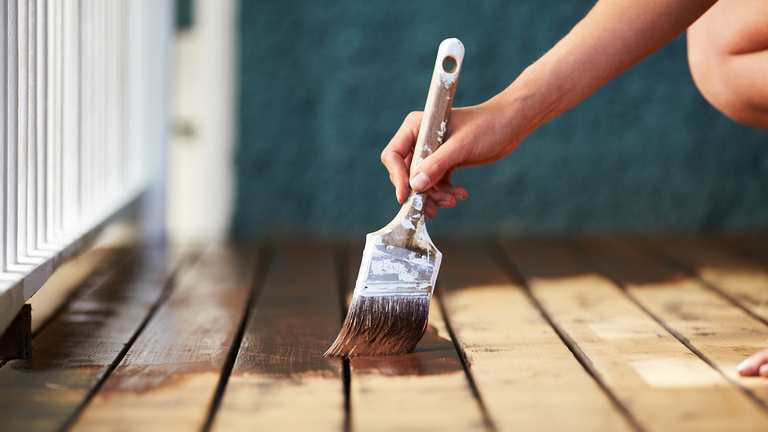
Hiring a contractor or professional deck refinisher is the best way to ensure your deck is properly stained. They have the expertise, tools, and supplies to do the job quickly and efficiently. However, staining a deck is a manageable task for most homeowners, and doing the job yourself can save money. Just keep in mind that DIY staining is a long process requiring physical strain, so it may not be the best option for everyone.
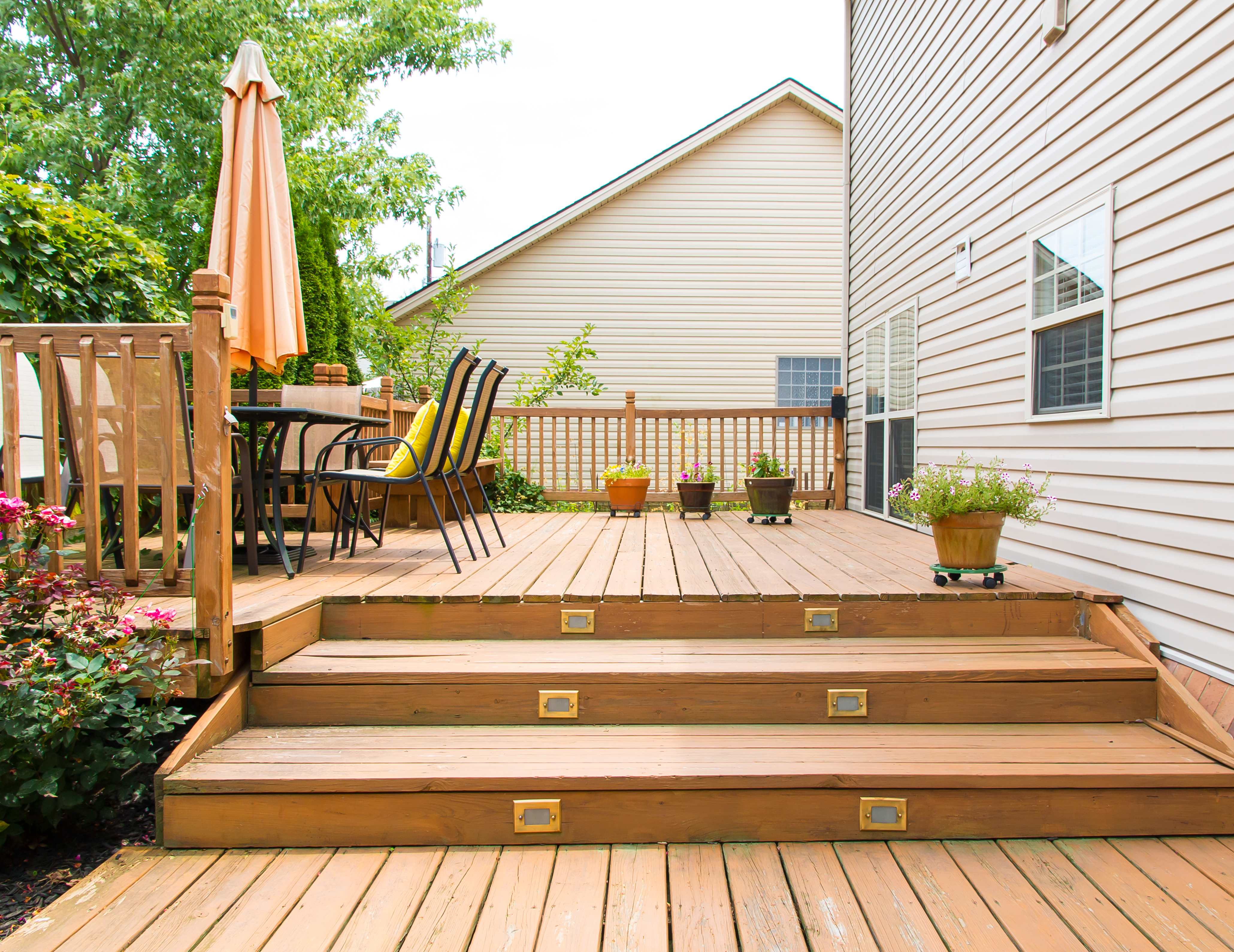
You should refinish your deck to maintain its appearance, durability, and longevity. Refinishing your deck protects the wood from foot traffic and the elements. It also helps extend its life span by keeping rot, mildew, and termites at bay. By maintaining your deck, you can avoid the cost of replacing your deck sooner. A refinished deck also looks great and restores some of its original beauty.
The Salmon, ID homeowners’ guide to deck staining services
From average costs to expert advice, get all the answers you need to get your job done.
The best time to stain a deck is when it’s dry but not too sunny. How often you restain a deck depends on climate and wood type, but every two to three years is normal.