




"I only use James when I need some work done to my house. He responds fast, gets the work done quicker than just about anyone else I've ever used and seems very concerned with leaving his customers happy."

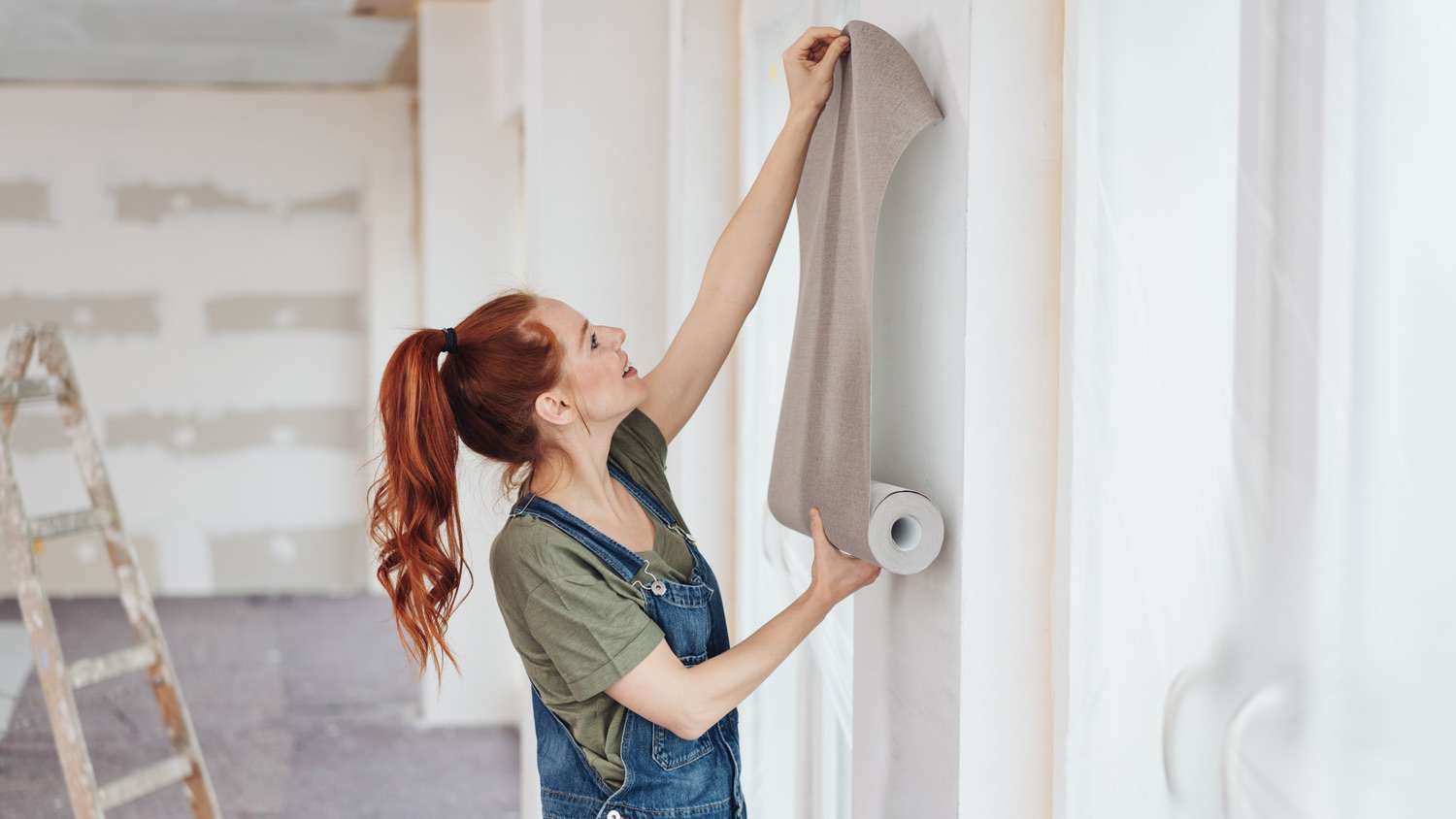
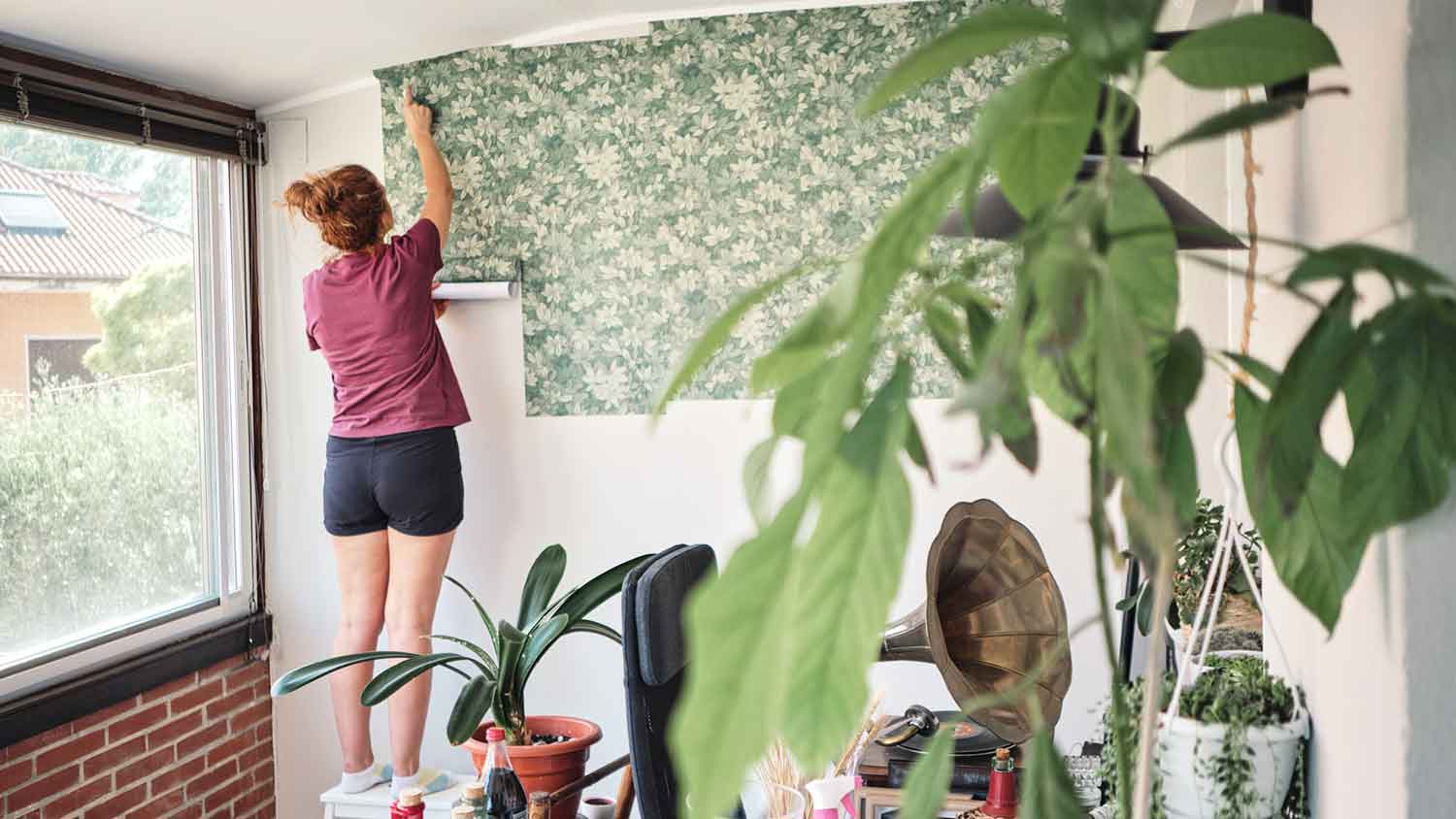
One of the biggest downsides to peel-and-stick wallpaper is that it doesn't last as long as traditional wallpaper. Its lifespan depends on several factors, including the quality of the paper, proper wall preparation and application, and the room's conditions. As a general rule, peel-and-stick wallpaper can last for at least five years, but this can vary significantly. Budget products may only last about 3 years, while higher-quality products can stay up for 7 years or more in ideal conditions. Factors that can shorten its lifespan include high humidity (such as in a bathroom), dirty walls, and low-quality paper. If used on flooring, expect it to last only 1 to 3 years unless sealed. However, the shorter lifespan can be seen as a positive, making it a great choice for people who enjoy switching up their interiors more frequently.
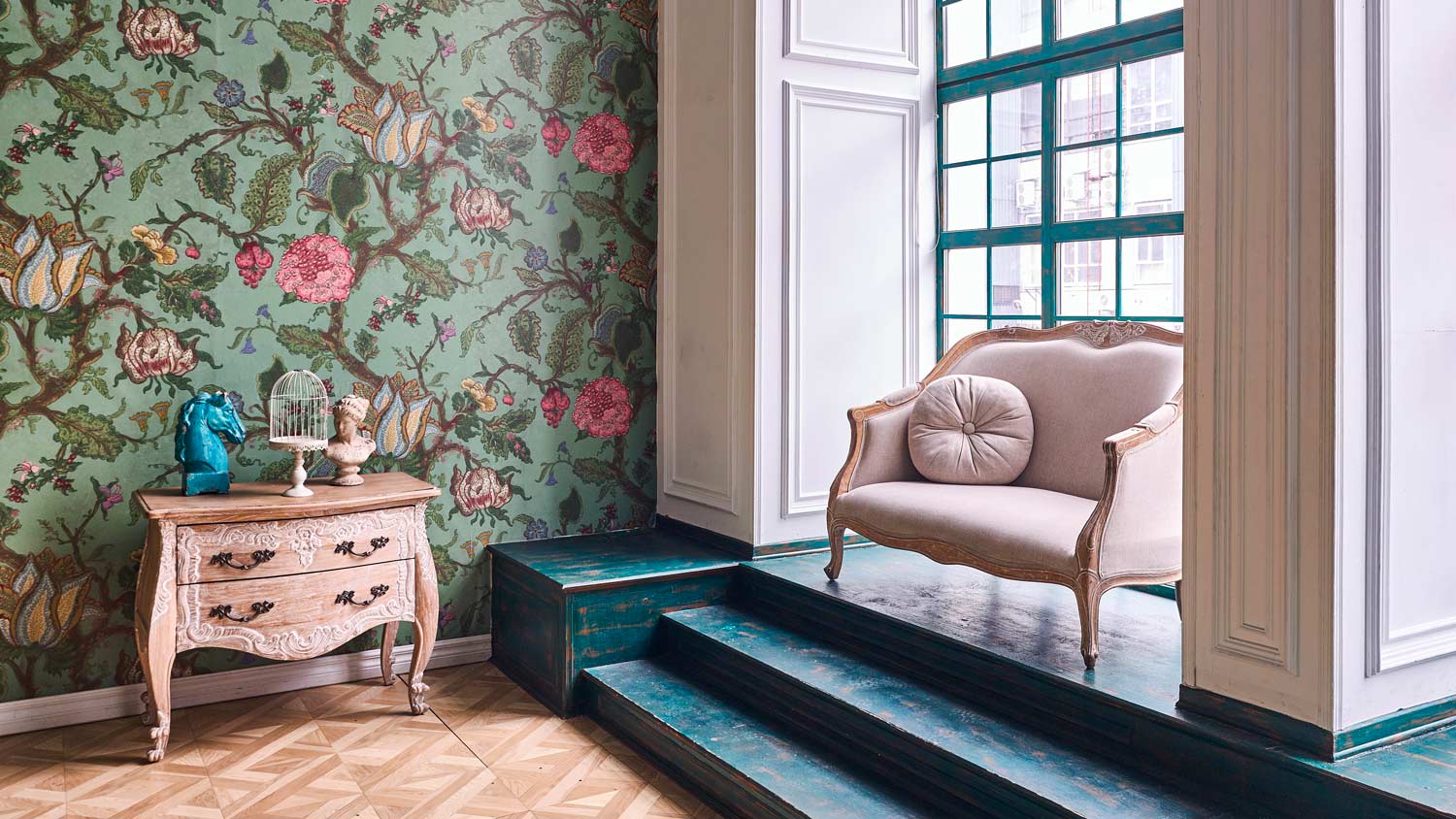
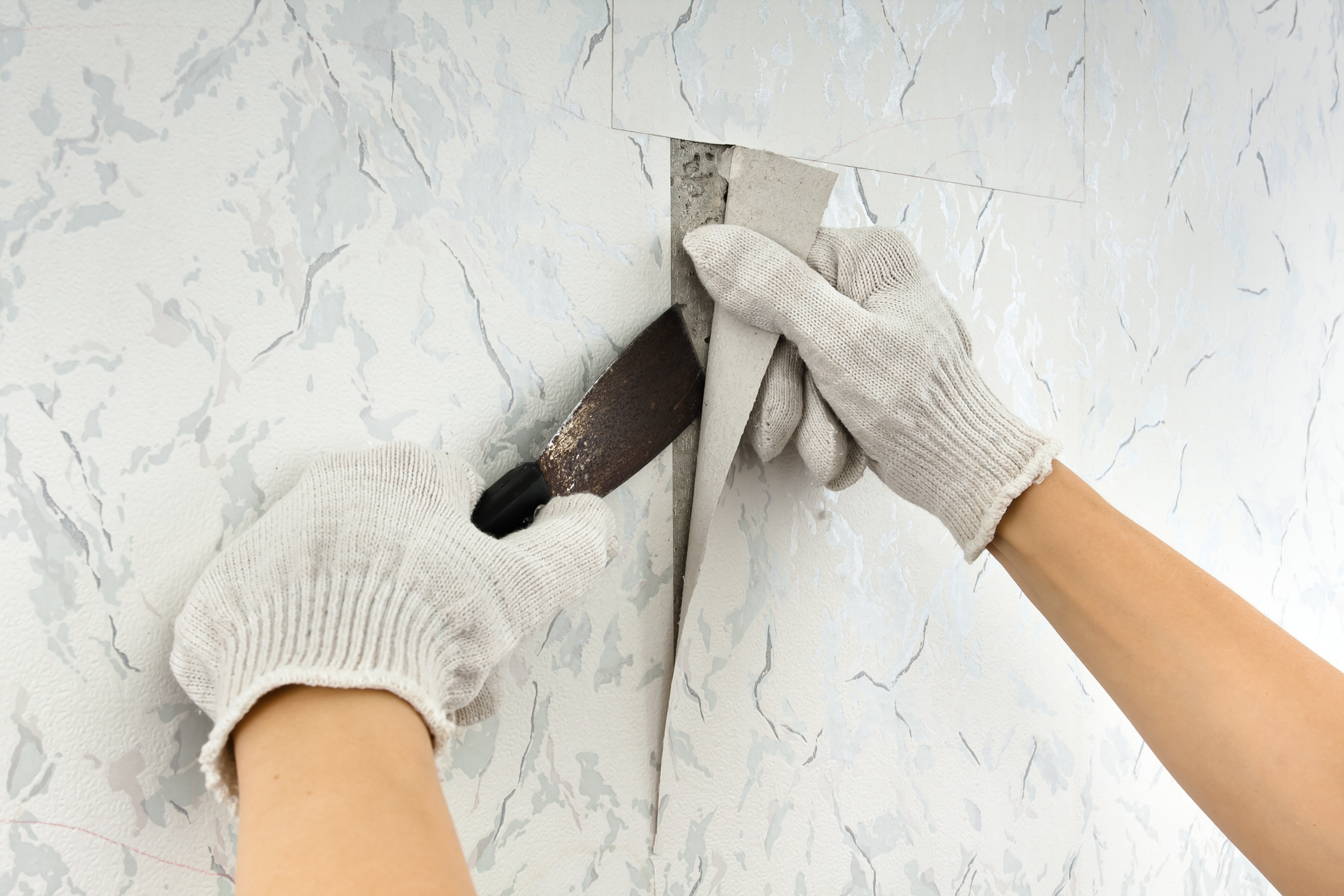
The pros of wallpaper include its durability and longer lifespan than paint, as well as its versatility. The durability can translate to lower long-term costs for upkeep and replacement, and the versatility means you have more options for customizing rooms in your home. Some downsides include that it’s difficult to remove, it’s not ideal for rooms or areas exposed to high moisture content or sun exposure, and it’s tricky to install. A professional wallpaper hanger can help mitigate these issues, though, by installing it properly and in areas suitable for wallpaper.
While textured walls can elevate a space in many ways, there are a couple of downsides to consider. Namely, they’re hard to clean, and some textures fall out of fashion quickly. Make sure to consider all your options to find one you truly love before diving in.
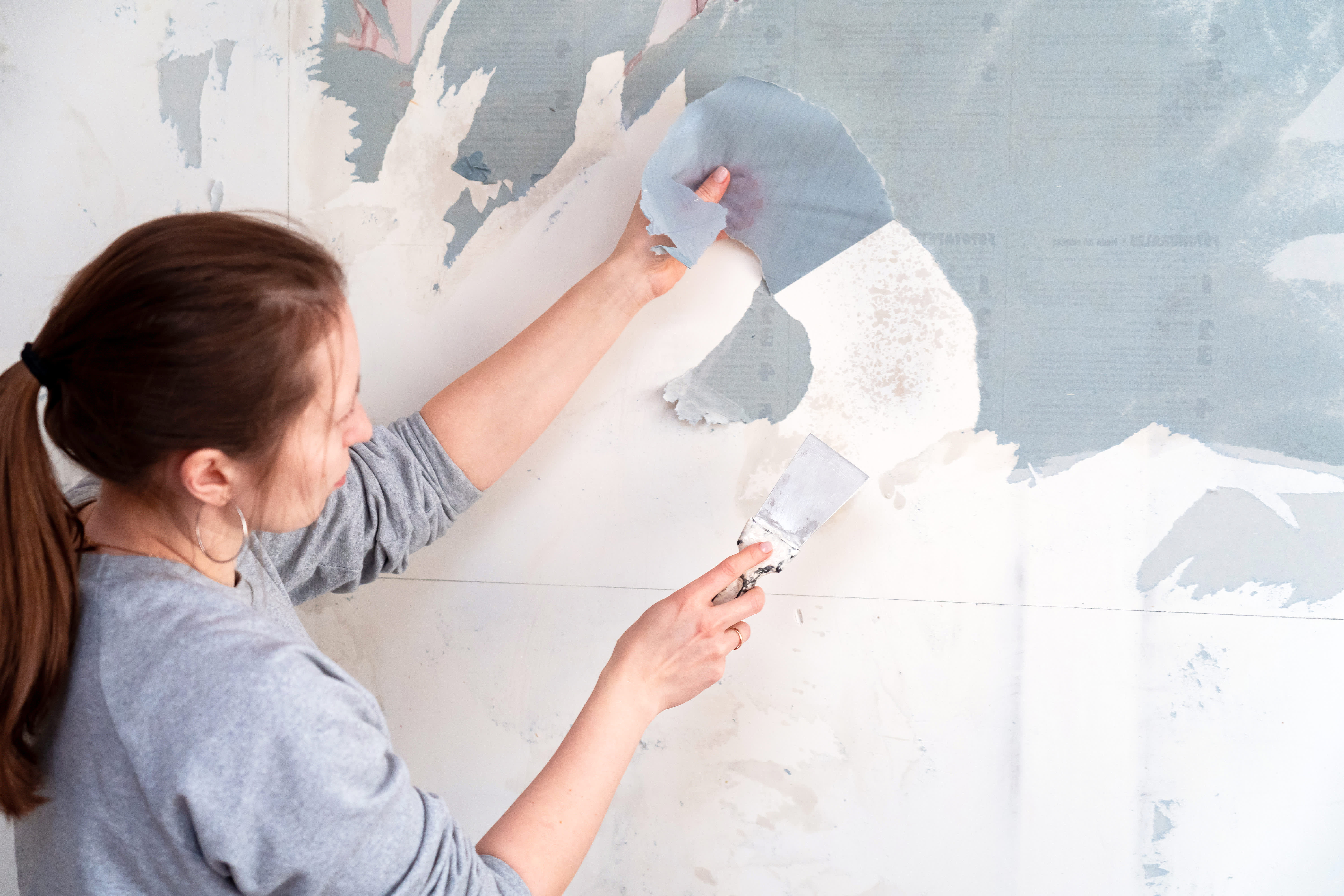
Using a fabric softener solution is a popular and low-cost DIY method for removing wallpaper, but its effectiveness is limited. While it may work on some types of wallpaper, it is unlikely to be successful on vintage styles, and there is no evidence that it is more effective than other removal methods. There are also several potential downsides: the solution can leave behind a residue that may damage your walls or interfere with the adhesion of new wallpaper. Additionally, this method can create a strong, overpowering aroma that takes a long time to dissipate, making it a poor choice for homeowners sensitive to smells.
Professionals handle heavy lifting, proper disposal, and recycling, reducing environmental impact.