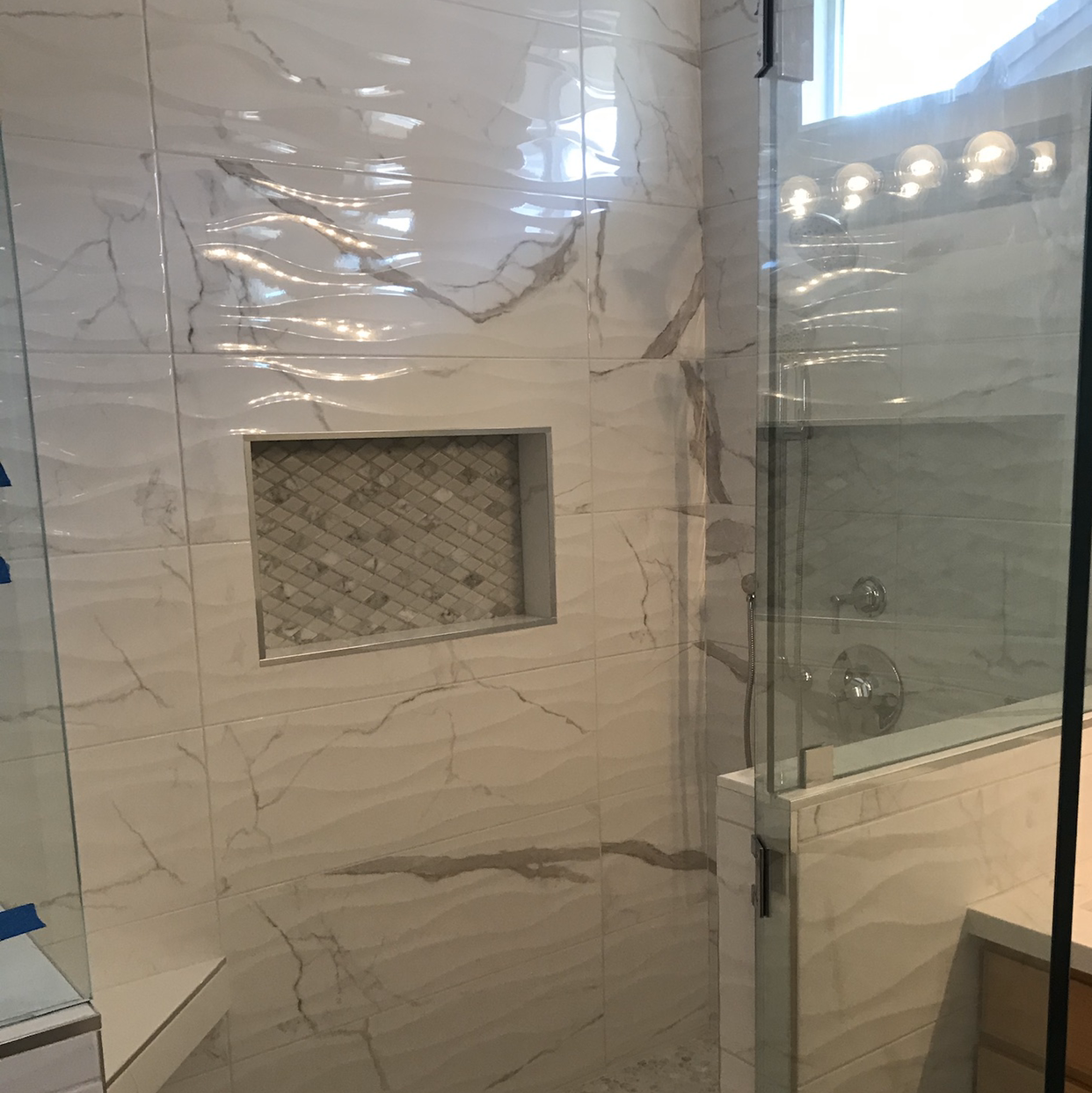

Top-rated ceramic tile pros.

Get matched with top ceramic tile pros in Ketchum, ID

Enter your zip and get matched with up to 5 pros

Need a pro for your ceramic tile service project in Ketchum, ID?

Select your specific project to find the pro for you.

Find Ceramic tile pros in Ketchum

McArthur Flooring and Tile Facebook
5.0(
2
)
Tile: Ceramic and Porcelain - InstallTile: Ceramic and Porcelain - Install - For BusinessTile: Ceramic and Porcelain - Repair- For Business

Serving Ketchum, ID and surrounding areas

In business since 2011

Free estimates

Credit card accepted

We invite you to experience a tradition of customer satisfaction that will exceed your greatest expectations. Our professionalism and quality workmanship will accurately reflect your taste and lifestyle. From conception to completion we work with you until the job is done. We thrive to take care of all of our clients unique needs. We are ethical, honest and easy to communicate with. Call us today you'll be pleased you did. Thank you!

Response time7 hrs
Recommended by100%of homeowners
Showing 1-10 of 19
Ceramic Tile questions, answered by experts

The average cost for tile installation is about $2,000, with a typical price range between $500 and $6,500. On a per-square-foot basis, you can expect to pay between $5 and $45 for installation.

Several factors influence the total cost, including:

  • Installation Site: Costs vary for different areas. Common project costs are: kitchen floor ($870–$6,100), countertop or backsplash ($500–$3,000), bathroom floor ($300–$2,400), or shower wall ($225–$2,000).

  • Tile Type and Quality: The material significantly impacts price. For example, standard ceramic or travertine tile can cost about $1 per square foot, while luxury options like marble can be as much as $350 per square foot for the material alone.

  • Project Size and Complexity: The total square footage, the complexity of the pattern, and the shape of the tile (e.g., square, rectangle, hexagon, mosaic) will affect labor and material costs.

  • Site Preparation: The amount of prep work needed, such as removing old tile or installing a new subfloor or backer board, can add to the final price.

  • Tile Characteristics: The tile's durability rating and porosity can also influence the price.

  • Location: Labor rates vary by geographic location.

If the hearth ends against a wall, you can use a tile cutter as you normally would. However, if the edge of your hearth ends with no surface pressing against it,you may want to look into rounded tiles. These give a smooth edge to your hearth and make sure cut edges aren’t visible. You can also see if the tile you have has pieces that have been glazed or rounded on one edge. You’d then cut the tile and place it normally, with the cut edge facing inward. 

The best types of tiles for a shower are ceramic and porcelain tiles. These materials are durable, water-resistant, and easy to maintain, making them ideal for wet environments. Porcelain tiles are slightly more durable than ceramic. Both options come in a wide variety of styles, so you can achieve the perfect look for your bathroom.

The easiest tile size to install is large tiles, and they’re easier to install than small tiles—the job is faster and simpler when there’s less placing, adhering, and grouting to do. However, when tiles get really big, they’re more difficult to handle, cut, and fit. Standard floor tile sizes are 12-by-12 inches, 18-by-18 inches, and 12-by-24 inches.

No, you don’t technically need a cement backer board for a wall tiling project, but not using it risks disastrous moisture damage. Cement is naturally water-resistant, whereas drywall soaks it in, which can lead to warping or mold growth. Always use a backer board treated with a waterproof membrane for bathrooms and other chronically damp areas to ensure complete tile shower waterproofing.

The Ketchum, ID homeowners’ guide to ceramic tile services

From average costs to expert advice, get all the answers you need to get your job done.