

Top-rated radon detection and reduction specialists.

Get matched with top radon detection and reduction specialists in Grangeville, ID

Enter your zip and get matched with up to 5 pros

Need a pro for your radon detection and reduction project in Grangeville, ID?

Select your specific project to find the pro for you.

Find Radon detection and reduction specialists in Grangeville

Avatar for Healthy Home Environmental Services
Healthy Home Environmental Services
New to Angi
Radon Gas - AbatementRadon Gas - Testing

Serving Grangeville, ID and surrounding areas

In business since 1995

Emergency services offered

Credit card accepted

At Healthy Home Environmental Services, we love families and understand that you want the best air for them to breathe. We test for mold, asbestos, radon, and are now certified for legionella. We also do remediation work. That means, we fix the problem for you! We are the best in the business and the most affordable. Our reputation speaks for itself, not just here but in our home town of Seattle. Our staff are experts in what causes poor indoor air quality, and how to fix it. Sometimes, it's something you can do yourself with some guidance from us. We look forward to helping you solve your mold, water, weird smells; kind of problems. Our work in attic mold and remediation is 100% guaranteed for LIFE. We are also experts for businesses and are equipped to handle large scale jobs. We even do hoarding jobs. Give us a call today to speak with an expert or to schedule an appointment. We'd love to hear from you.

Radon Detection and Reduction questions, answered by experts

You'll need to test your home for radon after installing the mitigation system, then again every two years. If radon remains elevated, contact a licensed radon professional, either the contractor who installed the system or a different one, and have them evaluate the system. They may need to make some changes to improve its effectiveness and performance.

The average radon mitigation system uses about 876 kWh of electricity per year, although the exact amount of electricity used will vary depending on the size of the radon fan. Once the system is installed, the annual increase to your energy bill could range from $30 to $300 per year, again depending on the size of the fan.

Your radon mitigation system may be loud because it’s time to replace it. Any sounds are usually from the inline fan that helps create the vacuum and resulting airflow. If you hear a new, loud mechanical or humming noise from your radon fan, it might be time to replace it. Most fans used in radon mitigation systems last up to 10 years, but may need to be replaced sooner.

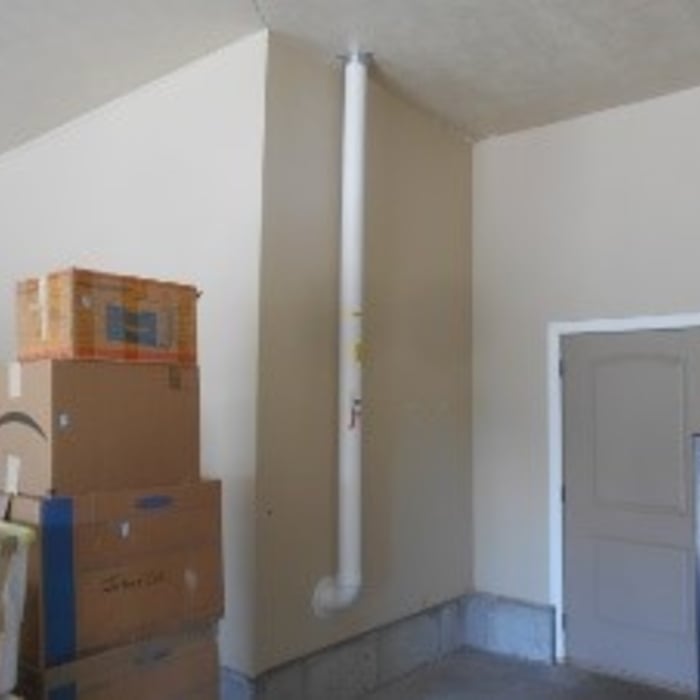
If your home has a sump pit, you can integrate it with a radon mitigation system. You can accomplish this by sealing the pump cover with an airtight lid that accommodates radon vent pipes and sump pump hoses. This allows the vent pipe to redirect the radon gas outside of your home.

Testing every 2-5 years or upon adjusting occupancy or structural changes maintains safe environments.

The Grangeville, ID homeowners’ guide to radon detection and reduction services

From average costs to expert advice, get all the answers you need to get your job done.