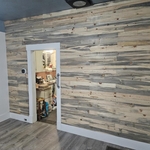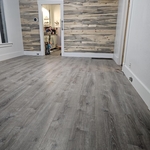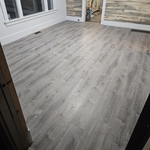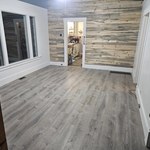





Top-rated pool table assembly pros.

Get matched with top pool table assembly pros in Glenns Ferry, ID

Enter your zip and get matched with up to 5 pros

Need a pro for your pool table assembly project in Glenns Ferry, ID?

Select your specific project to find the pro for you.

Find Pool table assembly pros in Glenns Ferry

STRAIGHT LINE BUILDERS
New to Angi
Handyman for Multiple Small Projects

Serving Glenns Ferry, ID and surrounding areas

Approved

Hi, my name is Darren Richter, and I specialize in custom carpentry and cabinet work based in Twin Falls, Idaho. I’ve worked on everything from kitchen and bathroom cabinetry to built-in storage, custom furniture, and intricate woodworking projects. I take pride in delivering high-quality craftsmanship, attention to detail, and solutions tailored to each client’s unique space and style.\n\nI primarily serve Twin Falls and surrounding areas, but I’m happy to travel for jobs when needed. My skills include cabinet design, installation, woodworking, and finishing, and I’m committed to ensuring every project is completed on time, on budget, and to the client’s satisfaction.\n\nWhen you hire me, you’re hiring someone who values precision, reliability, and bringing your vision to life. I look forward to creating beautiful, functional spaces for your home or business.\n

4 neighbors recently requested a quote
Avatar for Reliable Design Handyman
Reliable Design Handyman
5.0(
9
)
Handyman for Multiple Small Projects

Serving Glenns Ferry, ID and surrounding areas

In business since 2013

Free estimates

Emergency services offered

"Troy is very meticulous and detail oriented, he did the best paint job that I’ve seen. I have had multiple people make compliments on his work. Good communicator about what he’s doing and why; also gives recommendations. He fixed holes when necessary/sanded down blemishes and kept every workspace clean. I would recommend him to anyone regardless of the job they need done, you can tell he’s knowledgeable about everything handyman-related."
Response time1 day
Response rate89%
Showing 1-10 of 43
Pool Table Assembly questions, answered by experts

If you frequently use your swimming pool, an annual inspection is ideal. For pools over 20 years old, get an inspection twice a year. If you have a new pool, are selling your house, or your property went through a severe weather event, schedule a pool inspection as soon as possible.

Yes, pool pumps use a significant amount of electricity, making them one of the biggest energy consumers in a home. A pool pump can use up to three times as much electricity as a refrigerator. Typically, a residential pool pump consumes about 1 kilowatt-hour (kWh) for every hour it runs. Because pumps often need to run for about eight hours a day to properly filter the water, this can add up to an annual consumption of 3,000 to 5,000 kWh, which can cost between $480 and $800 per year based on average electricity rates.

The amount of electricity your pump uses depends on its size, energy efficiency, and daily run time. To lower your energy consumption, you can choose an energy-efficient or variable-speed pump, ensure it is correctly sized for your pool, and run it only for the minimum time required to keep the water clean.

Pool leaks most commonly occur at joints or where different materials meet. The most frequent leak spots include:

  • The Pool Skimmer: Where the plastic skimmer meets the pool's liner or shell.

  • The Pool Liner: Tears can develop in vinyl liners, especially those between 5 and 20 years old. Leaks also occur around the liner's edge.

  • Fittings and Accessories: Areas around return lines, the main drain, and pool lights are common culprits.

  • Pool Equipment: The pump, filter, and filter housing can also leak.

While leaks in underground pipes are less common, they can be costly to fix. It's usually best to check the more common spots before investigating the plumbing system.

Yes, you can use food coloring to find a pool leak. Alternatively, you can use pool detection dyes that are nontoxic and biodegradable. Depending on how much food dye you have on hand, it may be more cost-effective to use pool dyes.

The dye test is one of the best swimming pool leak detection tools because the dyes are heavier than water. By observing where the dye gets sucked in, you can find the location of your leak.

Once you use a pH decreaser, you can expect the pH to adjust in two to four hours. If you use a strong chemical like muriatic acid, it could take as little as an hour. Either way, it’s best to wait for a full turnover cycle before retesting. You want to make sure the chemical is completely dissolved and evenly distributed or you won’t have a stable pH level.

The Glenns Ferry, ID homeowners’ guide to pool table assembly services

From average costs to expert advice, get all the answers you need to get your job done.