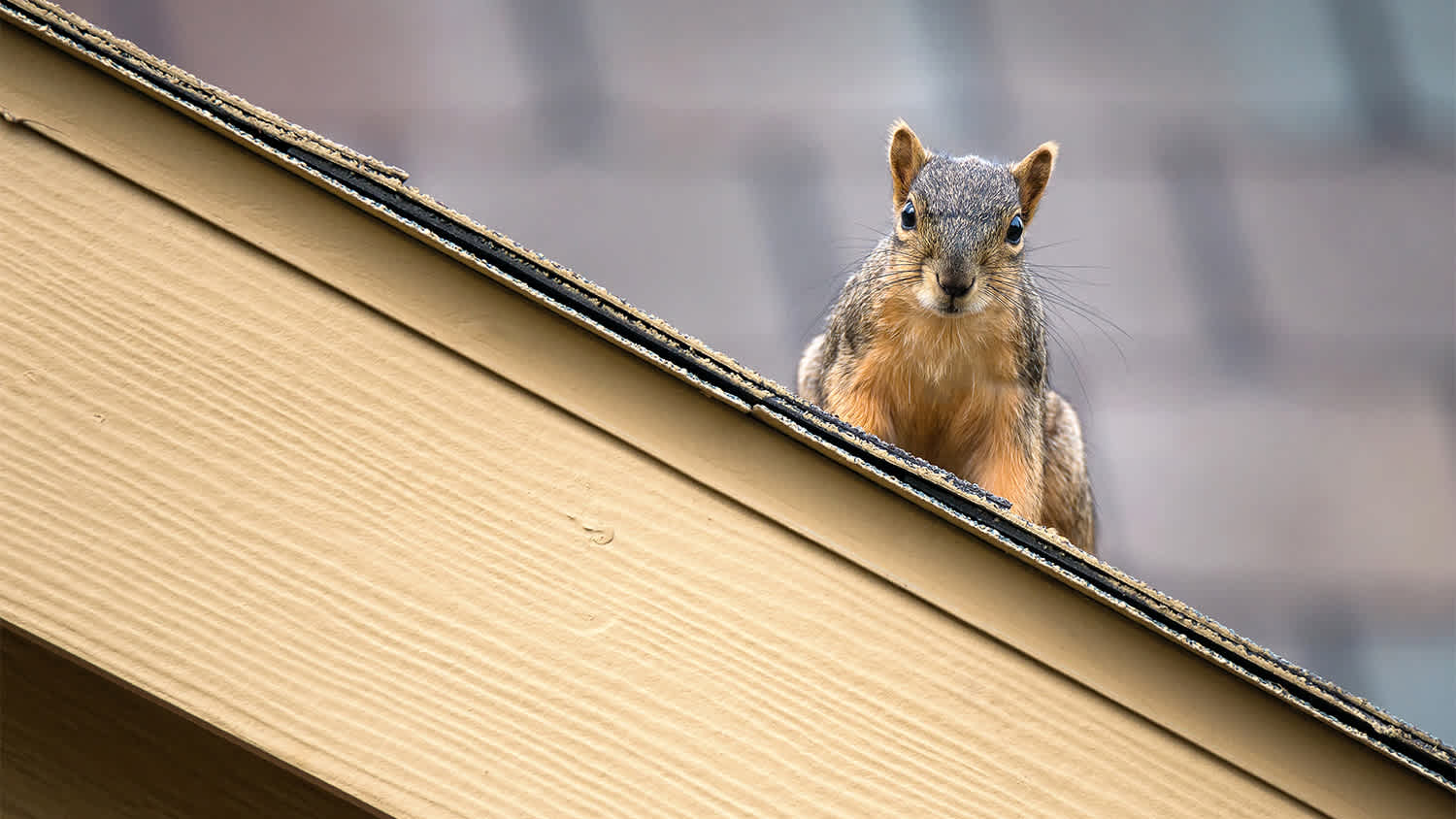







Top-rated animal removal specialists.

Best animal removal specialists near Firth, ID

Enter your zip and get matched with up to 5 pros

Need a pro for your animal removal project in Firth, ID?

Select your specific project to find the pro for you.

Top-Rated Animal removal specialists in Firth - Updated Nov 2026

Ammon Pest Services LLC.
New to Angi
Pest Control - Rodents

Serving Firth, ID and surrounding areas

Approved

In business since 2024

Free estimates

Small jobs welcome

We are a locally owned and operated company that values honesty and integrity and treats your home as if it were our own. We offer a variety of Pest Control services that are customizable to each individual project. You will find us to be competitively priced, paying close attention to the details of each and every project that we are involved with. We look forward to building lasting relationships and guarantee your satisfaction! \n

2 neighbors recently requested a quote
PestPro LLC
New to Angi
Pest Control - Birds and BatsPest Control - RodentsPest Control - Small Animals+1 more

Serving Firth, ID and surrounding areas

In business since 2021

Free estimates

Credit card accepted

We're a family owned and operated with years of industry experience. We are a full service company that values serving people, property, and peace of mind. Ask about our wholesale fumigation options as well as our senior and military discounts! Call for a free estimate today! We Treat You Like Family!

Animal Removal FAQs, answered by experts

Bears are most active at dawn and dusk. They can be active at any point during the day, but the hours after sunset and before sunrise are their primary feeding times. As far as time of year goes, bears are generally active from April to November and hibernate throughout the winter and early spring. Bears are more likely to be aggressive in the spring right after hibernation but more likely to be seen in the fall because they are preparing for hibernation.

Moles breed once a year, marking March on their calendars as peak season. However, their breeding season can start as early as February and wrap up in May. Their gestation period is 4 weeks, with litters ranging from 2 to 6 little ones. They are considered all grown up by the three-month mark, making them ready for parenthood.

Voles are attracted to areas with lots of vegetation that they can hide in. Since they eat mostly grasses, tubers, and bulbs, a robust garden can attract voles that wouldn’t have looked twice at a barren rock garden. Voles also like to hide out in dense ground cover, so that can attract them as well.

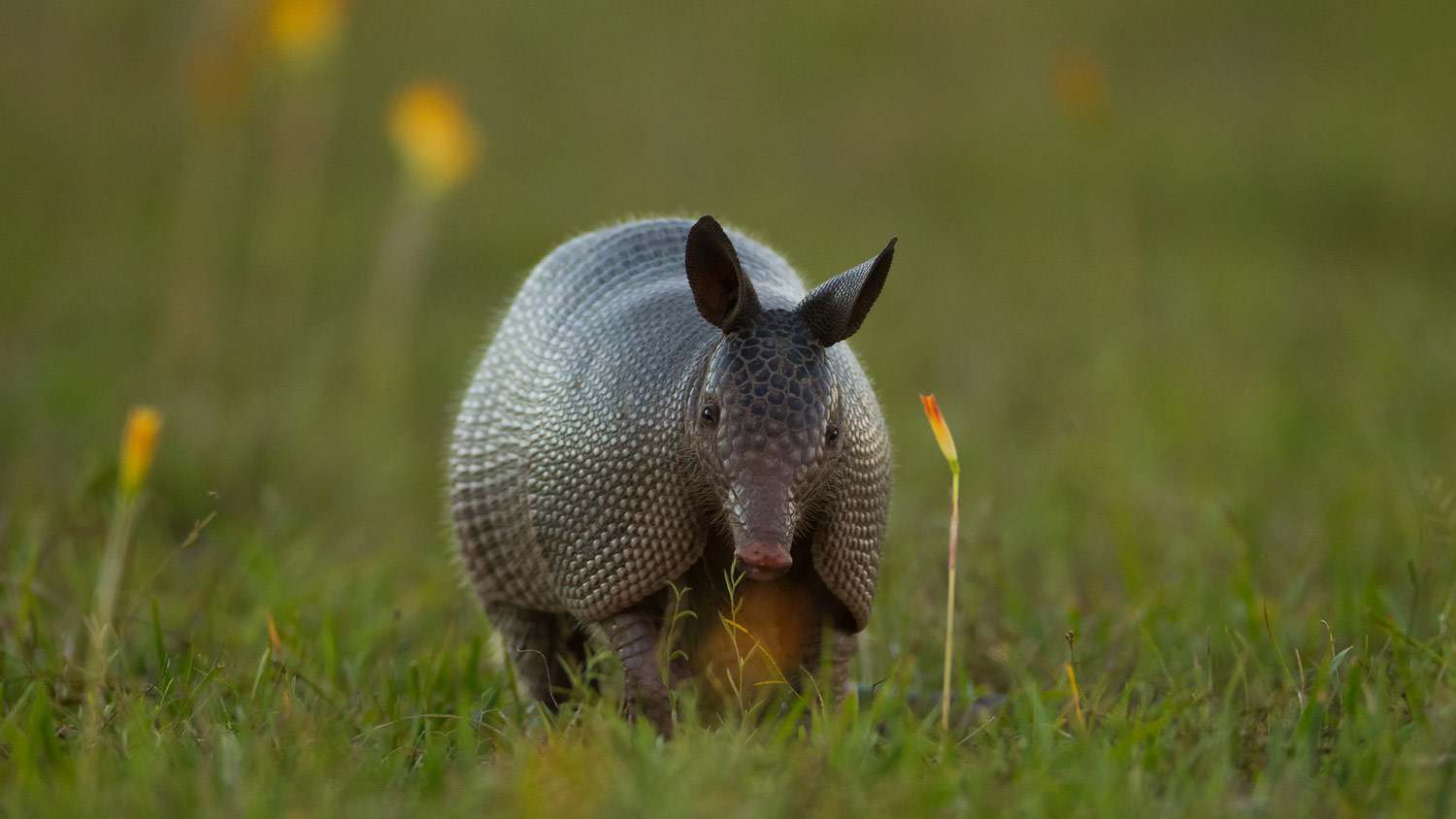
Armadillos are most active during cooler hours to avoid extreme temperatures, particularly the daytime heat in the warm climates where they live. This activity pattern helps them reduce the risk of overheating and dehydration. They are generally active from late at night to early morning, often between 2 a.m. and 5 a.m., but can also be seen around dawn and dusk. An exception to this is during mating season (June-July in the northern hemisphere, November-December in the southern hemisphere), when male armadillos may be more active than usual.

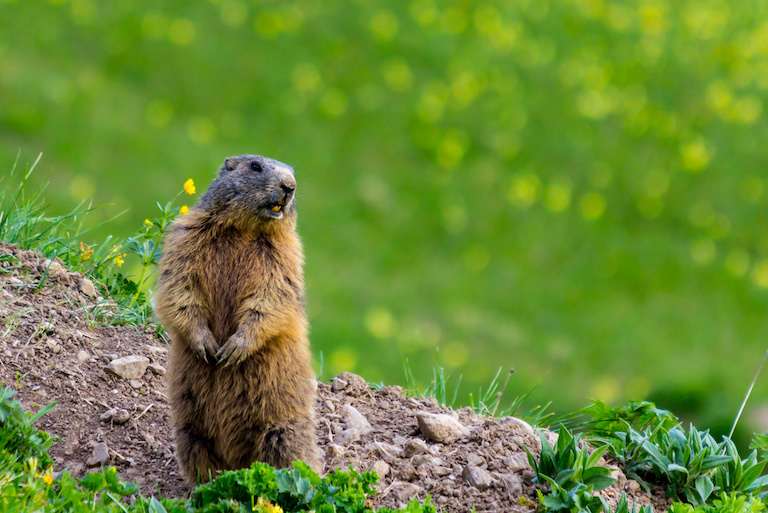
Groundhogs have a strong aversion to powerful scents, including garlic, ammonia, vinegar, hot peppers like cayenne, and predator urine. Various herbs such as rosemary, lavender, basil, mint, sage, thyme, and oregano can also act as deterrents. You can strategically use these odors around your property by planting these crops near your garden and by the entrances to groundhog burrows. Commercially available repellents offer another option, and for best results, scent-based deterrents should be used alongside other preventive measures.

The Firth, ID homeowners’ guide to animal removal services

From average costs to expert advice, get all the answers you need to get your job done.