



Top-rated plaster repair specialists.

Get matched with top plaster repair specialists in Filer, ID

Enter your zip and get matched with up to 5 pros

Need a pro for your plaster repair project in Filer, ID?

Select your specific project to find the pro for you.

TRUSTED BY FILER, ID HOMEOWNERS

  • Average homeowner rating star icon4.1
    Average homeowner rating
  • Verified reviews icon28
    Verified plaster repairs reviews

Find Plaster repair specialists in Filer

Avatar for Signature Spaces, LLC
Signature Spaces, LLC
5.0(
2
)
Plaster - RepairPlaster - Repair - For Business

Serving Filer, ID and surrounding areas

In business since 2011

Free estimates

Offers commercial services

At Signature Spaces, our mission is to transform homes and spaces into beautiful, functional environments that reflect our clients’ unique tastes and lifestyles. We are dedicated to providing exceptional craftsmanship, innovative design, and unparalleled customer service. By using high-quality materials and sustainable practices, we strive to create lasting value and a positive impact on our community. Our goal is to exceed expectations in every project, large or small, and to build lasting relationships with our clients based on trust, integrity, and excellence

B roo,
B room
Response time4 hrs
Response rate96%
Recommended by100%of homeowners
Avatar for Chavez services
Chavez services
4.1(
9
)
Plaster - RepairPlaster - Repair - For Business

Serving Filer, ID and surrounding areas

In business since 2022

Free estimates

Warranties offered

"Thomas pulled up the old tiles and sub flooring in my home during my remodel. He was quick and clean. He was very careful in removing the staples and verifying it met my expectations before leaving the site."
Response time9 hrs
Response rate86%
Recommended by77%of homeowners
Joe Jack Construction, LLC
5.0(
1
)
Plaster - Repair

Serving Filer, ID and surrounding areas

In business since 2020

Credit card accepted

"I have worked with a few contractors in the Magic valley area but after Working with Jeremy and Joe Jack Construction, LLC, I had to get rid of their phone numbers! Jeremy is all around great but what stood out the most for me was his high quality of work, honesty, and the fact that he showed up on time every day.I highly recommend him!"
Response time50 mins
Recommended by100%of homeowners
Showing 1-10 of 17
Plaster Repair questions, answered by experts

Plastering and skimming are two different techniques for finishing walls. Plastering involves applying a thick layer of a plaster mixture—typically containing gypsum, lime, cement, sand, and water—to create a new surface. This process often requires multiple coats and is used for repairing significant damage or creating decorative textures. Skimming, on the other hand, is a technique that involves applying a thin layer of drywall compound or joint compound over an existing surface to smooth it out, covering minor imperfections, small cracks, or uneven textures for a polished look. Plastering is generally more costly and labor-intensive than skimming. Although some people use the terms interchangeably, they refer to different processes and materials.

Venetian plaster is a highly durable wall finish that becomes a rock-like substance once dried, making it last longer than most other wall finishes. Its lifespan can range from decades to centuries, potentially lasting a lifetime. Key factors influencing its longevity include the quality of the initial application, whether it's properly sealed against moisture, and how the wall is maintained and treated (e.g., how often it is touched or bumped). Due to its mineral content, it can also develop a patina over time.

Although they have similar applications, spackle and joint compound are not the same. Their primary differences lie in their composition, consistency, and ideal use cases.

Spackle is composed of gypsum and binding agents, making it thicker than joint compound. It dries quickly and is easy to sand, which makes it ideal for small wall repair projects like filling nail holes or patching minor damage.

Joint compound, also known as drywall mud, consists of limestone and gypsum. It is primarily used for large-scale projects, such as taping and finishing the seams on newly installed drywall. It tends to shrink more than spackle and can be more difficult to spread.

While both products can be used to fill small depressions and cracks, spackle cannot replace joint compound for taping and mudding new drywall. Conversely, you can often use joint compound for small patching jobs typically done with spackle.

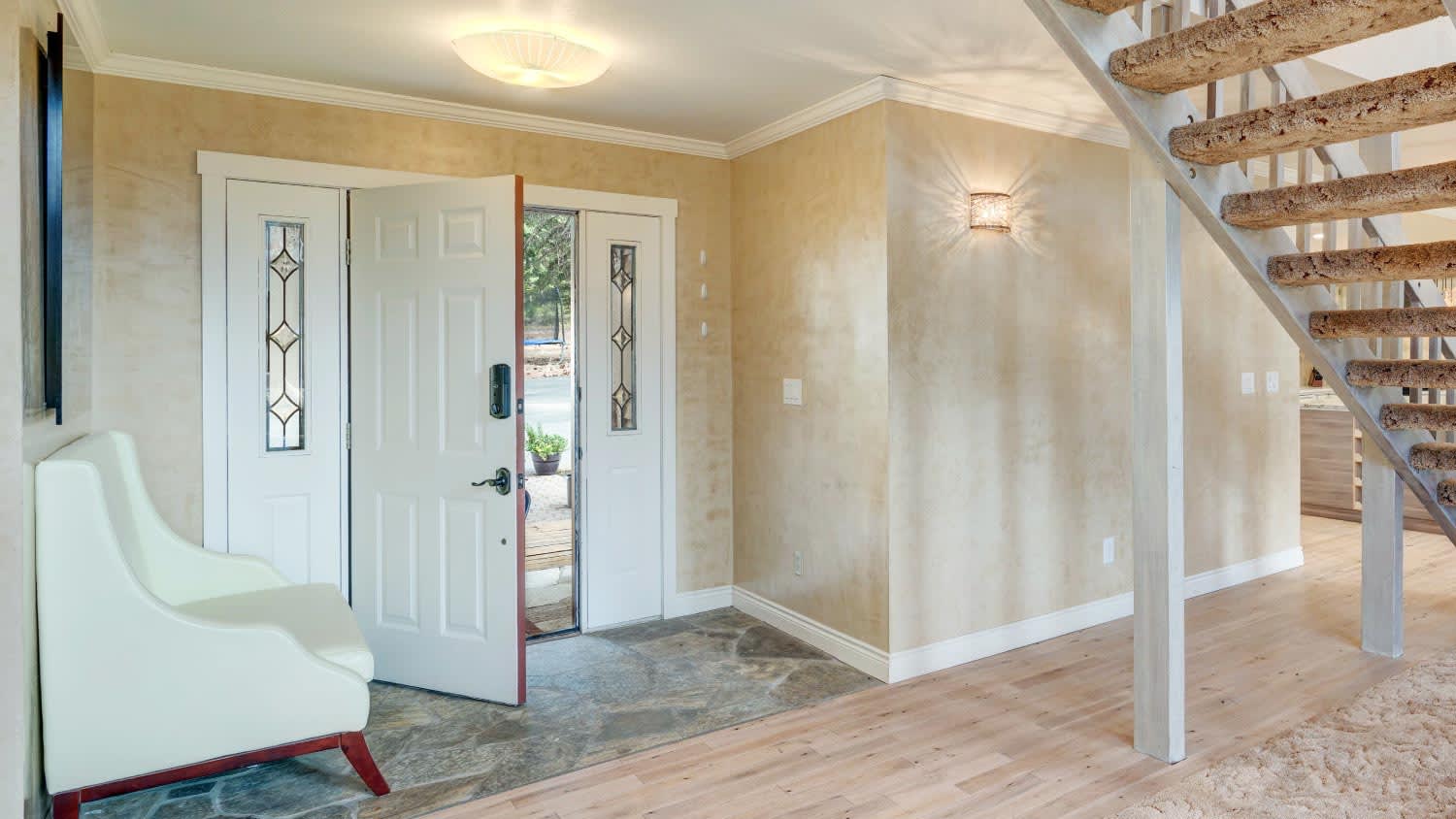
The allure of Venetian plaster lies in its unique appearance and individual characteristics in a home. It’s sophisticated and multidimensional and has a rich history dating back to Ancient Rome. This type of plaster finish is durable and represents a style of luxury that has been practiced for thousands of years. Many designers pair the texture of Venetian plaster with modern furnishings, resulting in an elegant and refined aesthetic.

Yes, you can speed up the time it takes for plaster to dry, but it's important to do so carefully to avoid issues like cracking or crumbling. Proper ventilation is key; open a window or use a fan to circulate air in the room. Heat can also accelerate drying, but be cautious, as too much heat can cause the plaster to dry too quickly and crack. Check the plaster's packaging for the recommended drying temperature and set the room's thermostat accordingly. While managing humidity is important, avoid using a dehumidifier, which can remove moisture too aggressively and result in crumbly plaster.

The Filer, ID homeowners’ guide to plaster repairs

From average costs to expert advice, get all the answers you need to get your job done.