






Top-rated land clearing pros.

Get matched with top land clearing pros in Bayview, ID

Enter your zip and get matched with up to 5 pros

Need a pro for your land clearing project in Bayview, ID?

Select your specific project to find the pro for you.

TRUSTED BY BAYVIEW, ID HOMEOWNERS

  • Average homeowner rating star icon4.8
    Average homeowner rating
  • Verified reviews icon186
    Verified land clearing services reviews

Find Land clearing pros in Bayview

Avatar for Panhandle Junk Removal
Panhandle Junk Removal
5.0(
11
)
Building Site - Preparation and ClearingBuilding Site - Preparation and Clearing - For Business

Serving Bayview, ID and surrounding areas

Approved

In business since 2023

Free estimates

Small jobs welcome

"Panhandle Junk Removal performed service at a high quality level. They were efficient, professional, honest, reliable and kind. I have every confidence in their work, and will not hesitate to do business with them in the future. It's refreshing to depend upon someone who follows through with the service they promise to provide."
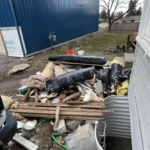
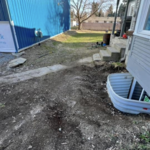
Before
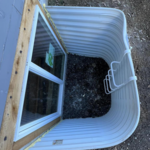
After
AFTER
Home Junk Removal
Home Junk Removal

+1

Response time4 hrs
Response rate90%
10 neighbors recently requested a quote

Avatar for Trackwest, LLC
Trackwest, LLC
5.0(
5
)
Building Site - Preparation and ClearingBuilding Site - Preparation and Clearing - For Business

Serving Bayview, ID and surrounding areas

Approved

In business since 2017

Free estimates

Warranties offered

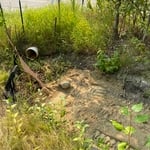
"They got the job done promptly. Of all the companies that gave me estimates the owner was the most thorough and explaining a variety of options fencing. They always came on the days and times they said they would and the fence looks great!"
Backyard cleanup
Backyard cleanup
Backyard cleanup
Backyard cleanup
Backyard cleanup

+37

3 neighbors recently requested a quote
Recommended by100%of homeowners
...
Showing 1-10 of 52
Land Clearing Services questions, answered by experts

Permit requirements to clear land vary by municipality, so whether or not you need permits depends on where you live and what you’re removing from the land. Some building departments will require permits for any underground work or excavation, meaning grinding down tree stumps on your property would require permits. Others mandate individual permits for each tree you remove. You can contact your local building department or a land-clearing specialist near you to see if permits are necessary for your job.

Land surveys don’t technically expire. They do serve as a point of reference and a snapshot of your property, though, so as soon as you make changes to your property (and even if your neighbor makes certain changes to theirs), your existing land survey becomes inaccurate, and a new one must be done. Even if you don’t make any changes to your property, many states only guarantee the accuracy of a land survey for five to ten years.

Prior to excavation, you should prepare the dig site and call 311 before you sign anything.

To get your site ready for excavation, you should move anything in the area that isn’t affixed to the land. You can save money on the excavation by removing hardscaping, including walkways, decks, concrete patios, and paver patios.

Before you carry out any digging, you should call 311 to confirm that there are no utility lines running through your excavation site. Skipping this step could lead to severe injury and property damage if your excavator hits a water, sewage, or gas line.

There are a couple of ways you can determine the depth of your well. One method is to use a device called a well sounder. This tool has a long measuring tape containing a sensor to alert you once the end reaches the water. 

Or you can DIY it by using a long tape measure with a half-filled bottle of water attached to it. Lower the tape measure into your well. Once you feel tension on the tape, you’ll know the bottle has reached your static water level. This will give you an approximate idea of your well’s depth.

This is fairly rare, but sometimes the local government or a group like a historical society will label a tree as a landmark, or historical item. These designations almost always come with a small, on-site plaque for identification, but you should also be able to look up protected trees in your area on a city website or similar list. If the tree in question is a landmark, call your local government and ask how to proceed before making any plans.

The Bayview, ID homeowners’ guide to land clearing services

From average costs to expert advice, get all the answers you need to get your job done.