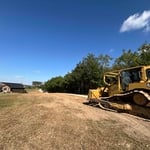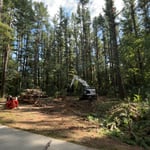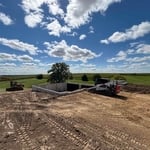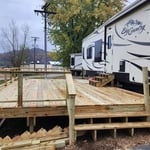






Top-rated excavation pros.

Best excavation pros near Walker, IA

Enter your zip and get matched with up to 5 pros

Need a pro for your excavation project in Walker, IA?

Select your specific project to find the pro for you.

Top-Rated Excavation pros in Walker - Updated Nov 2026

Avatar for Ground Line Company, LLC
Ground Line Company, LLC
5.0(
3
)
Excavation - Major Grading or ReslopingExcavation - Major Grading or Resloping - For BusinessLandscape - Minor Grading or Resloping

Serving Walker, IA and surrounding areas

Approved

In business since 2024

Free estimates

"I highly recommend Ground Line Company for any excavation or utility prep work. I’ve partnered with them on multiple jobs, and their attention to detail is top-tier. They are precise with their depths and layouts, which is critical for electrical inspections and code compliance."
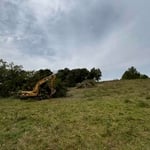
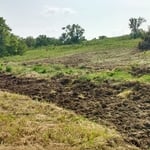
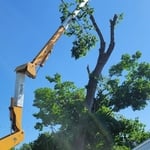
Tree Clearing
Tree Clearing
Tree Clearing
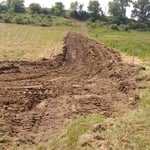
Grading
Response time6 hrs
Response rate100%
1 neighbors recently requested a quote

ClassiConcrete
3.9(
56
)
Building Site - Preparation and ClearingBuilding Site - Preparation and Clearing - For BusinessExcavation - Major Grading or Resloping+2 more
Serving Walker, IA and surrounding areas

In business since 1999

Credit card accepted

"John gave me what I thought was a decent estimate that was in line with everyone else. He gave me a date for the work to be completed, but they didnt arrive on that date. On that they that they didn't arrive, I had cancelled an appointment to stay home that morning. When I called him, he was in Iowa working at his other location. When I let him know that I had cancelled an appointment to be here for the work, he said "Did we inconvenience you?" in an unfriendly tone. The crew came to do the work on a weekend. John is not a good communicator at all. John had told me that he was going to resurface the floor. I did not understand what that meant and assumed it was putting in new concrete because he did not explain it. I saw that the crew was just chopping up the floor and going to fill in the cracks. When I stopped them and contacted John, he said he had it noted down as resurfacing. When I explained to him that the he did not explain what resurfacing meant to me, he got upset and said I had to pay more. He first said the job would cost an extra $800. When I declined it, he offered the work to be done at an extra $400. After the job was complete, it was done nicely. When I advised him how many companies on Angie's List offer discounts to members, I asked what type of discount he offered. He said that he would add some decorations to the sidewalk and that was done. Also, when I saw that dirt needed to be replaced in the trenched along each side of the driveway and sidewalk, he said I would need to call someone else. I had to pay another contaractor $300 for the dirt to be filled after they finished the driveway and sidewalk. The work took three days and he only stopped by once to oversee the job and that was when we had the arguement over the garage floor. The product and quality of service was good, but the communication was bad. The workers did a good job and they worked hard. However, I would not recommend this company to someone else as I felt that dealing with John was not appropriate. He didn't offer good customer service in what I see in terms of what I feel is appropriate customer service for what a person would normally expect.
"
Additional Photos
Additional Photos
Stamped
Polish
Stain

+1

Recommended by82%of homeowners
Showing 1-10 of 24
Excavating FAQs, answered by experts

No, you typically cannot use metal detectors to find your sewer line. Most sewer lines are made of non-metallic materials such as PVC, clay, or cast iron, which are not detectable by standard metal detectors. Metal detectors are designed to locate metallic objects, so they won't be effective for identifying the path of a non-metallic sewer line. To locate your sewer line accurately, it's best to use other methods.

Hardscaping often requires preparation of the ground in the area where the feature is being installed. This can include digging, compacting, and leveling the soil, ensuring adequate drainage, and removing any existing plants. The extent of preparation needed will depend on the type and size of the hardscaping feature being installed.

Trenches are typically 12 to 24 inches deep and 8 inches wide. However, the required depth depends on the specific project and local ordinances. For example, a French drain may need to be 18 inches deep, while a water pipe might require a depth of 24 inches and a drainage pipe 36 inches. Your city or county may have specific regulations, so it's wise to consult with an excavation professional to determine the correct depth for your project.

Digging a bush up by the roots is the most natural DIY method for removing a bush stump. Start by identifying the shrub type and revealing its roots. Cut the shrub to its base and loosen the soil, ensuring no utility lines are nearby. Optionally, treat the base with herbicide, then dig around the roots and cut a circle around the shrub using various tools. Dig a trench, cut the base of the root ball, and finally fill the hole to prevent regrowth. This thorough process ensures complete removal without damaging surrounding areas.

Depth is not a qualifying component of evacuation. Any human-made cut, cavity, or depression in the earth’s surface is considered excavation. The hole from excavation can be any size, shape, or depth. Excavation is used to create foundations, reservoirs, drainage ditches, and roads. Long, narrow excavations are called trenches and are often used for underground utilities.

The Walker, IA homeowners’ guide to excavation services

From average costs to expert advice, get all the answers you need to get your job done.