



Top-rated roofers.

Get matched with top roofers in Postville, IA

Enter your zip and get matched with up to 5 pros

Need a pro for your roofing project in Postville, IA?

Select your specific project to find the pro for you.

Find Roofers in Postville

Ascended Constructions
New to Angi
Asphalt Shingle Roofing - Install or Replace

Serving Postville, IA and surrounding areas

Approved (Corporate)

In business since 2023

Offers commercial services

We’re a family owned and operated company that values honesty and integrity, and stands behind our work. We offer over 40 years of industry experience. We specialize in Asphalt Shingle Roofing installation, replacement, and repairs. Our services are customized to the individual project, paying close attention to the details of each project that we're involved with. We look forward to building long-term relationships with our clients and guarantee your satisfaction!

1 neighbors recently requested a quote
H2O solutions
New to Angi
Roof - Clean

Serving Postville, IA and surrounding areas

Approved

Free estimates

Small jobs welcome

Credit card accepted

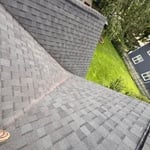
H2O Solutions is a locally owned and operated exterior cleaning company serving Tomah and surrounding areas. We specialize in residential and commercial pressure washing, soft washing, roof cleaning, concrete cleaning, decks, fences, and gutters. We are committed to quality work, honest service, and treating every customer’s property with care.

1 neighbors recently requested a quote
Bear Point LLC
New to Angi
Roof - Clean

Serving Postville, IA and surrounding areas

Approved

\nBear Point LLC specializes in land clearing, forestry mulching, brush removal, excavation, grading, and site preparation throughout Wisconsin. We take pride in providing reliable service, honest communication, and quality workmanship on every project. Whether you’re preparing a homesite, clearing trails, reclaiming overgrown property, or improving your land, we’re committed to delivering efficient, cost-effective solutions with a focus on safety and customer satisfaction.

1 neighbors recently requested a quote
...
Showing 1-10 of 56
Roofing questions, answered by experts

Condensation can occur on the inside of a roof, but it should always be temporary. It does not necessarily mean there is a roof leak. Condensation happens when the inside and outside of a house are at different temperatures. For instance, if it is hot during the day and then gets very cold at night, the inside of the house will be warmer than the outside and may cause condensation to form on the inside of the attic. This may not be cause for concern, but if it is happening frequently, it should be addressed; otherwise, it could cause roof leaks, compromise the structural integrity of the wood, or allow mold to grow.

To apply for a roofing permit, contact your local building authority. You may visit their office in person or contact them via phone or email. For more information on how to start the process, visit their website.

The most important thing to remember when laying shingles is to work from the bottom of the slope to the top. This leaves you with a top overlap that directs runoff from one row to the next until it reaches the eave for disposal. You should also make sure you follow the manufacturer's instructions and the local building code for nailing patterns and frequency so all of your hard work stays put through varying weather conditions.

Skipping the installation of a drip edge or gutter apron can lead to significant water damage. Without this component, water is more likely to seep under roofing materials or leak behind gutters, damaging the fascia, soffits, siding, and even the interior of your home, such as the attic. Over time, this moisture can cause rot, mold, and deterioration. In colder climates, a missing drip edge also increases the risk of ice dams, which can lead to expensive repairs. A drip edge is an essential part of a roof's drainage system, and some local building codes may even require its installation to protect the home from water damage.

Yes, shingles should overhang the drip edge, typically between 1/2-inch and 3/4-inch. An overhang shorter than 1/2-inch can allow wind-driven rain to get under the shingles and damage the roof deck or fascia. Conversely, an overhang longer than 3/4-inch increases the risk of shingles getting caught by strong winds, which can lead to roof uplift. Always check your local building code for exact overhang requirements in your area.

The Postville, IA homeowners’ guide to roofing services

From average costs to expert advice, get all the answers you need to get your job done.