






Top-rated electricians.

Get matched with top electricians in Osceola, IA

Enter your zip and get matched with up to 5 pros

Need a pro for your electrical service project in Osceola, IA?

Select your specific project to find the pro for you.

Find Electricians in Osceola

Avatar for Custom Electrical Services, LLC
Custom Electrical Services, LLC
4.6(
105
)
Ceiling Fan - InstallElectric Vehicle Charging Station Installation - Materials Not ProvidedElectrical Switches, Outlets & Fixtures - Install or Repair+5 more

Serving Osceola, IA and surrounding areas

Approved

In business since 2005

Emergency services offered

Warranties offered

"I had a terrible situation. I had 2 Ames electrical companies turn down the Job as too big. Custom Electrical accepted the job, and Katy, the office person, began to coordinate arrangements with the City of Ames, as well as a boring company, taking me out of the middle of it all. Thank you Katy!!! Rogan, the electrician, spent a great deal of time with me is assessing the situation, was conscientious in all his dealings, and very courteous. Custom Electric made a very stressful situation much easier for me. They will get all my electrical work in the future."

Recent Custom Home Wiring
Custom Home wiring
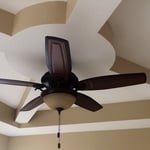
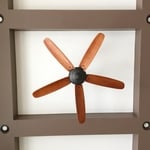
ceiling fan installation
ceiling fan and can light installation
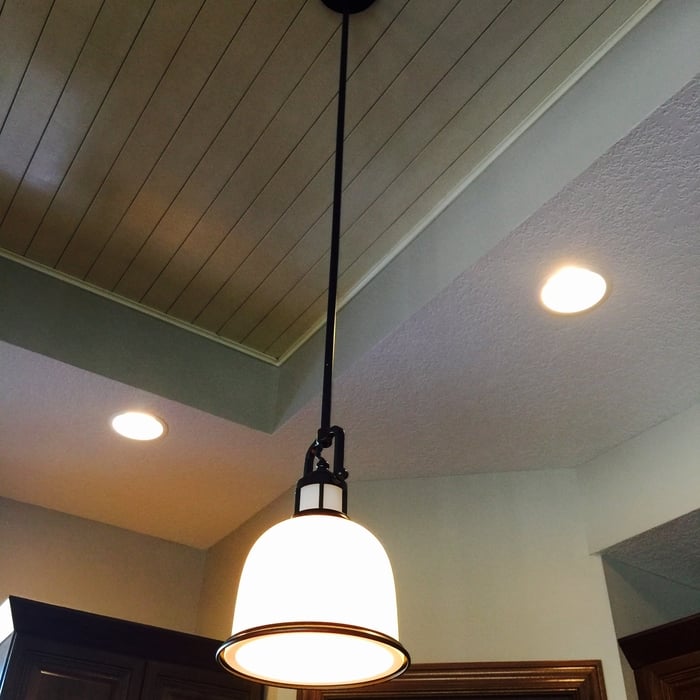
pendant light and can light installation

+33

Response time1 day
Recommended by87%of homeowners

Showing 1-10 of 34
Electrical questions, answered by experts

It depends on where you live. Some cities may require a permit for electrical work, while others don’t. You’ll need to call your city’s building department to determine if you’ll need to apply for a permit or not. If a permit is required, you’ll likely have to pay a fee for it. 

There are a few reasons your lights may be on, but the rest of your electrical outlets and appliances are not working. The first is that while one circuit blew out, the lights may be on another circuit than your other electrical fixtures. Alternatively, your powerless appliances may be plugged into a GFCI outlet that was tripped and needs to be reset. If these issues aren’t responsible for the problem, you may have dead outlets or a wiring issue. Either way, you should contact an electrician to identify and fix the issue.

The American Wire Gauge system calculates wire size diameters using the complicated formula D(AWG)=.005·92((36-AWG)/39) inch. A simpler rule of thumb is that every six-gauge decrease doubles the wire diameter, and every three-gauge decrease doubles the wire’s cross-sectional area. On the other hand, wavenumbers are typically measured in reciprocal meters (1/m or m−1) or reciprocal centimeters (1/cm or cm−1).

No. Do not use a 14-gauge wire on a 20-amp outlet. A certified licensed electrician would know that the National Electrical Code (as per Section 240.4(D) subsection 3) requires 14-gauge wires to be used with a maximum amplitude of 15. Therefore, you should only use 12-gauge wires on 20-amp outlets.

A light switch should be at least 2 inches from the edge of the trim of a door. The location of wall studs will often help determine where to put the light switch by your doorway, and in most cases, wall studs make it impossible to install the switch closer than 2 inches. When possible, try to keep the switch within arm’s length of the entryway.

The Osceola, IA homeowners’ guide to electrical services

From average costs to expert advice, get all the answers you need to get your job done.