




Get matched with top carpenters in Nevada, IA

Nevada homeowners rate carpenters in our network

4.7

(32 reviews)

Top-rated carpenters.

Find Carpenters in Nevada

Avatar for Field carpentry
Field carpentry
5.0(
1
)

Serving Nevada, IA and surrounding areas

Approved

Free estimates

Warranties offered

Small jobs welcome

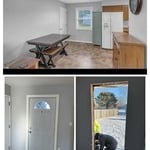
"Exceptional work and a true professional. Highly recommend and would happily hire Codey again. Codey helped us complete a partially finished basement office by adding trim and casing around two doors and an egress window, installed a bifold closet with trim/casing, and added baseboards around the room. His work was clean and detailed and the room looks great due to this. He also fixed several issues from a previous contractor along the way, including resizing a door cutout that was too small, adjusting another door that never closed properly, and installed a header for the closet that a previous contractor did not. Overall his work was exceptional, he was transparent on all aspects of the project, very polite, and completed ahead of schedule. Highly recommend."
1 neighbors recently requested a quote
Avatar for Sentri Homes
Sentri Homes
2.4(
27
)

Serving Nevada, IA and surrounding areas

Approved

In business since 2023

Free estimates

Emergency services offered

"Found Sentri on Angi. Jeanette and Violet were very pleasant and efficient in getting a contractor to me in the time frame needed. The contractor was excellent and the roof looks great! I would definitely work with them again if I had additional projects."
26 neighbors recently requested a quote
...
Showing 1-10 of 156
Carpentry questions, answered by experts

When building a house, it is customary to use 16d nails that measure 3 1/2 inches in length to construct the frame. These nails are crucial in providing the necessary support and stability for structural elements like joists and studs, which ensures a sturdy framework.

Installing a tongue-and-groove wall requires similar techniques to those associated with installing shiplap. However, because of the precision necessary to make each board fit perfectly and the increased material prices, the cost is higher than that of shiplap installations. Expect to spend between $2 and $6 more per square foot for tongue-and-groove walls versus shiplap ones.

You should avoid drilling or cutting into load-bearing beams because removing material will weaken it and increase the risk of structural damage or even collapse. If you do need to drill into a load-bearing beam, speak with a structural engineer first to discuss where it’s safest to drill and the width and depth of the bit that’s safe to use.

Removing a load-bearing wall is best handled by professionals. However, if you have the skill set and decide to DIY the project, you will still need at least one additional person to assist you. Aside from helping with demolition, you'll need another hand to install the new support beam.

The easiest way to tell if a wall is load bearing is to check if it’s an exterior wall or if it runs perpendicular to the joists above and below it (or parallel to beams). Exterior walls are almost always load-bearing, and walls that run under beams or parallel to them are also usually load-bearing. There are exceptions to these rules, and walls that don’t fit into these categories can still be load-bearing. If you’re unsure, hire a structural engineer to look at your home to assess whether or not the wall is structural.

The Nevada, IA homeowners’ guide to carpentry services

From average costs to expert advice, get all the answers you need to get your job done.