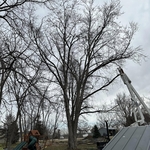
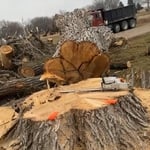
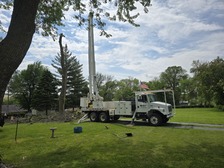
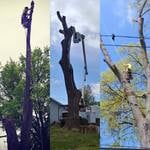
"Very reliable, hard working and professional. Knowledgeable of tree removal. He did a walk through at the end of the project to make sure I was satisfied. I had multiple trees damaged by a storm and he completed the project the same day it was started. Highly recommend this company."
Wulf Tree Services is committed to excellence in every aspect of our business. We uphold a standard of integrity bound by fairness, honesty, and personal responsibility. Our distinction is the quality of service we bring to our customers. Accurate knowledge of our trade combined with ability is what makes us true professionals. Above all, we are watchful of our customers' interests and make their concerns the basis of our business.
"Very professional and did amazing work. He was the first service to contact me and was not pushy about choosing them as a provider. I highly recommend them for any yard work you need to be done."
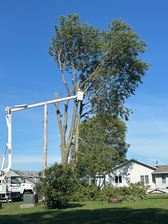
"Was very satisfied with work. Branches had broken over garage and he was extremely careful to not drop branches on roof when he cut them. Also was very safety conscious while climbing and working in tree. Would hire them again."
"I was very pleased with the work he did. He worked quickly and consulted me several times to make sure he was doing everything I asked. I was very pleased with the clean up job too!"
Anthofer Construction has been dedicated to this craft for over 30 years. We pride the company on reliability, excellent communication, integrity, and quality work. We strongly believe in giving our absolute best in all our projects no matter how big or small. We look forward to earning your business!
We pride ourselves on quality work and great customer service. We believe in going out of our way for our customers! We work very hard to make sure that all of our customers are pleased with the work we do! We believe that every job, no matter the size, deserves our full attention and should be done right!\n
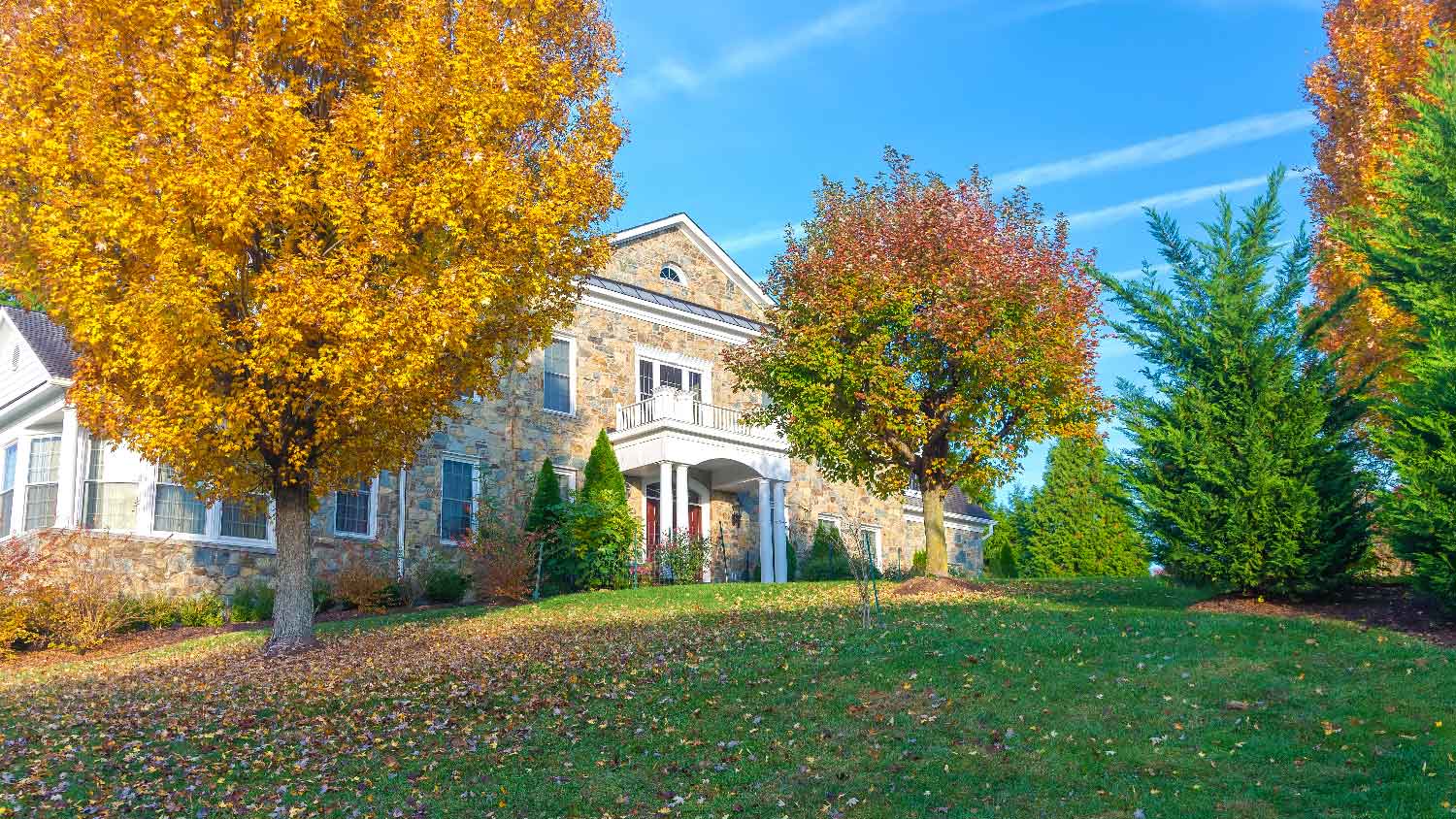
Leaf removal costs between $400 and $1,000per acre on average. Nationally, the cost of leaf removal averages about $350. Cost factors for this project include lawn size, leaf removal method, tree density, location, and the time required to do the job. If your lawn removal service charges based on lawn size, you can expect to pay $0.02 to $0.10 per square foot.
The lifespan of a bird's nest depends on the species. The building process can take from two days to three weeks. Once built, the nesting period for baby birds can last from two to ten weeks before they leave the nest. While most young birds are ready in two to six weeks, some predatory species may need up to two and a half months. Some species nest four to five times per year, so a nest could remain in use for several months. For specific information about a particular nest's longevity, it is best to consult a wildlife professional.
There are several signs that may indicate a tree needs to be cut down. These include visible damage to the trunk or branches, a hollow trunk, extensive storm damage, or a significant lean to one side. Other warning signs are pest infestations or the tree growing too close to a house, power lines, or other structures. It is best to hire a professional arborist to inspect the tree, as they can determine if it can be saved or if removal is necessary.
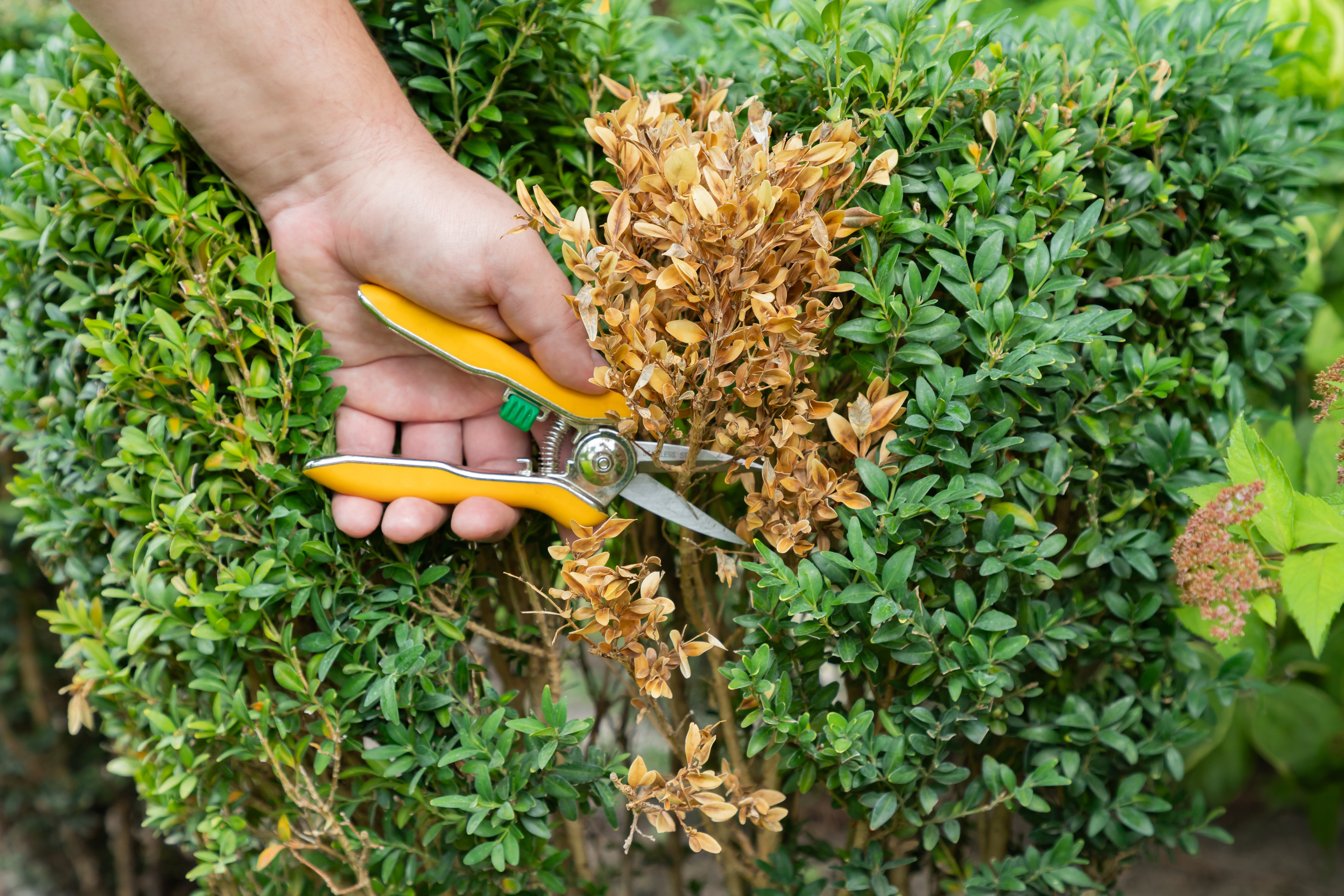
There are a few general rules to follow that will help you prune your trees correctly. One of the most important rules is to prune during the correct season for the type of tree you have. Typically, pruning should be during late winter. For younger trees, you should not remove more than a ⅓ of the tree's crown when pruning. Also, remember to remove dead and diseased branches first, then proceed with pruning the rest of the tree.
It is possible to burn out a tree stump if it is dried out and in an area of your property with a large buffer. Drill holes in the stump and dig around the base so it burns more easily. Then, build a small campfire on top using kindling and firewood. You’ll need enough to keep the fire going for many hours to completely burn out the stump, especially if it’s large.
Monitor the fire closely to ensure it doesn’t spread, and have a hose on hand if it starts to get out of control. When the fire is out, break apart the burned stump and dig out what’s left of it.
If this sounds like a good option, learn more about how to burn a tree stump before attempting it, as it does come with risks.
The Manilla, IA homeowners’ guide to arboricultural services
From average costs to expert advice, get all the answers you need to get your job done.
How much does an arborist cost? This guide explains the cost of different services, ongoing expenses, and other factors to consider when hiring an arborist.
Arborists are specialized tree care experts. This guide will help you hire an arborist with all the qualifications to give your trees the best care possible.