

Top-rated toilet pros.

Get matched with top toilet pros in Johnston, IA

Enter your zip and get matched with up to 5 pros

Need a pro for your toilet service project in Johnston, IA?

Select your specific project to find the pro for you.

TRUSTED BY JOHNSTON, IA HOMEOWNERS

  • Average homeowner rating star icon4.4
    Average homeowner rating
  • Verified reviews icon1.6k+
    Verified toilet services reviews

Find Toilet pros in Johnston

Avatar for Dierks Plumbing and Remodel
Dierks Plumbing and Remodel
5.0(
21
)
Faucets, Fixtures and Pipes - Repair or ReplaceFaucets, Fixtures and Pipes - Repair or Replace - For Business

Serving Johnston, IA and surrounding areas

Approved

In business since 2018

Free estimates

Emergency services offered

"Paul was Very friendly and did a fantastic job professionally. He not only installed the water heater But provided hints and tips to make it last longer. He finished the work in no time and cleaned up afterwards. What I appreciated the most from him was his honesty and The speed in which he completed the job."

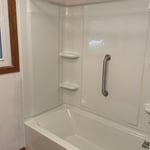
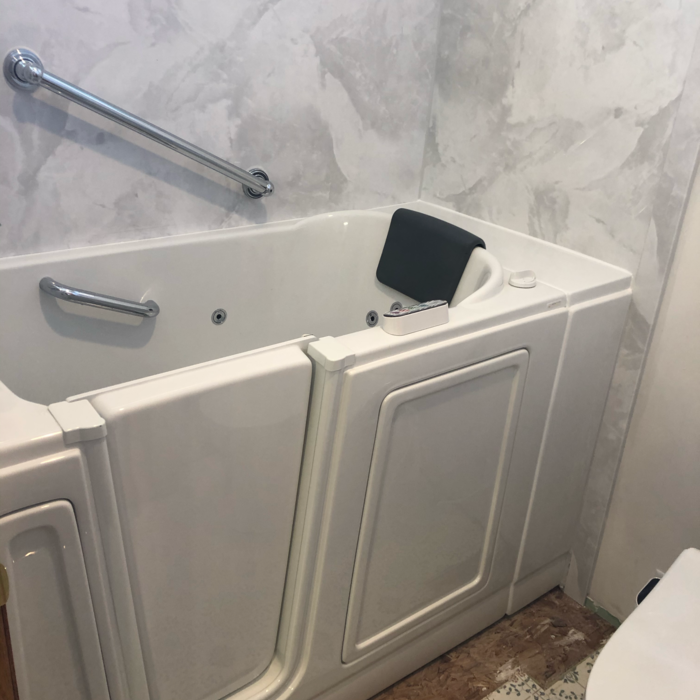
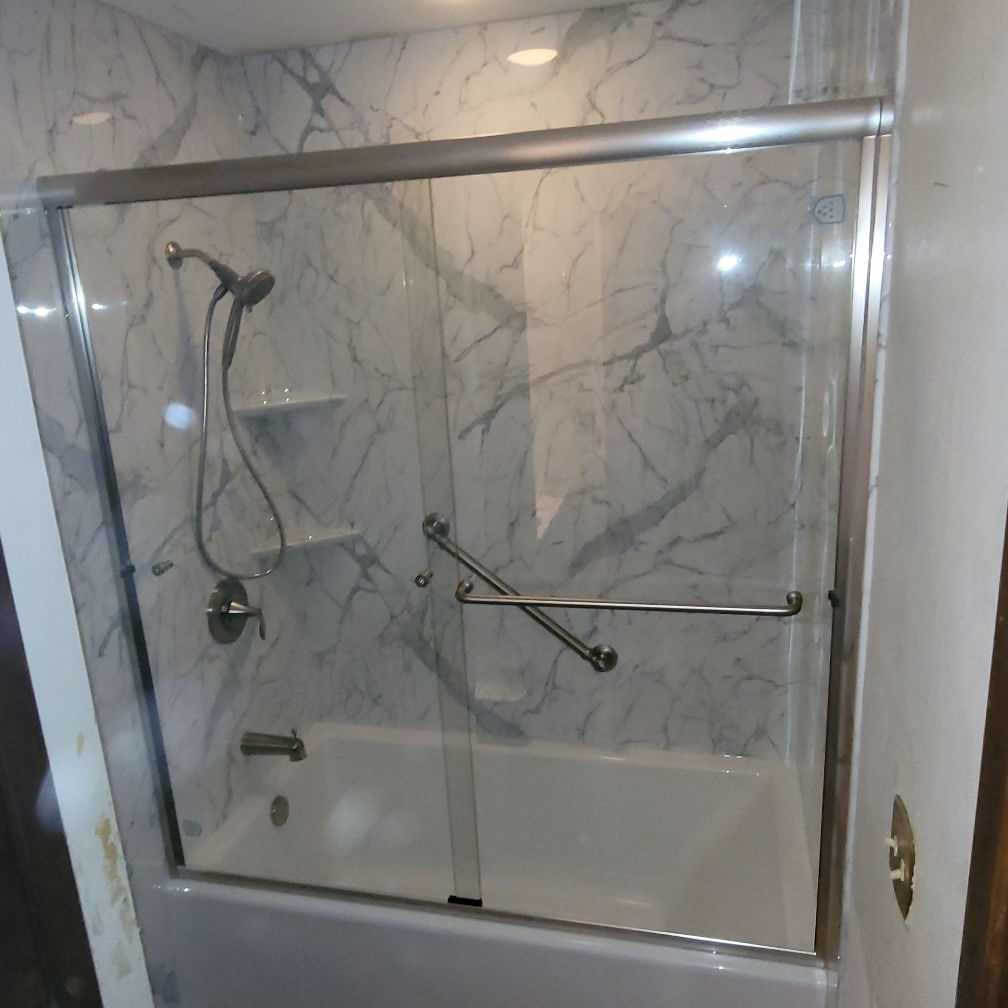
Tub replacement
Tub replacement
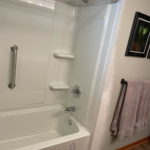
Additional Photos
Additional Photos
Additional Photos

+17

Response time9 hrs
Response rate100%
Recommended by76%of homeowners
Avatar for Jason's Showers
Jason's Showers
5.0(
6
)
Faucets, Fixtures and Pipes - Repair or ReplaceFaucets, Fixtures and Pipes - Repair or Replace - For Business

Serving Johnston, IA and surrounding areas

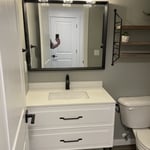
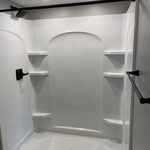
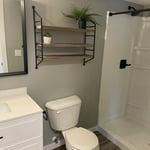
"Jason did an amazing job on our new shower, tile, toilet and vanity. He was very polite and we couldn’t be happier with the skills he has. 10/10 he’s the guy to hire for your bathroom jobs. So affordable and was willing to work with our color schemes and schedules."
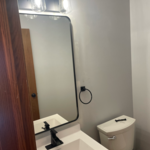
Remodeling - Kitchen & Bathroom Project
Additional Photos
Additional Photos
Additional Photos
Additional Photos

+1

Recommended by100%of homeowners
...
Showing 1-10 of 62
Toilets questions, answered by experts

Yes, you can install a basement bathroom without breaking concrete by using an upflush toilet system, which includes a macerator pump. These systems sit on top of the concrete floor, so you don't have to drill into it to install plumbing. The macerator pump breaks up waste until it is soft enough to pass through a discharge pipe to the main sewage line. This method saves you time and money by bypassing the need to break concrete to connect drain pipes.

Yes, an ambitious homeowner could decide to replace their own toilet. A person attempting to do a DIY toilet installation should keep in mind that the average toilet weighs between 100 and 120 pounds. That means that you'll need to be comfortable lifting and carrying your old toilet and replacement toilet during both phases of the project. Additionally, homeowners will need to have basic plumbing knowledge to avoid plumbing problems that could result in messy, expensive water damage in their bathrooms. Hiring a plumbing pro from the get-go can help you avoid damaging your plumbing or your new toilet.
First, check that you have cut off the water supply to your toilet. This is a project that can only be done safely if running water cannot reach your toilet fixture. If you're seeing water trickle out after you've confirmed that the water supply is shut off, you can probably rest assured that what you're seeing isn't a problem. It's common for leftover water to spill out when you're removing your toilet's fill valve. If something goes wrong while you're working on your toilet, you'll need to look at your home's policy to see if your homeowner insurance covers water damage.

To drain a broken toilet, place towels or plastic sheeting around the base in case of splashing or overflowing. Next, shut off the toilet’s water supply, usually via a valve on the wall behind the toilet. Begin flushing the handle to remove as much water as possible from the tank and the bowl. Don’t flush the toilet if it’s clogged, though. From there, use a large sponge to soak up any remaining water and wring it over a bucket. 

Some older homes have toilets in the basement to combat sewage backups. This type of toilet, also known as a Pittsburgh potty, acted as a safety valve over the incoming sewer line. If a line backed up, it would back up into the toilet because it was the lowest fixture in the home, keeping it out of sight and away from the finished areas of the house.

Basement toilets were also used by workers with messy jobs, like those who worked in coal mines or steel mills. This way, they could clean up and avoid tracking dirt through their home.
The Johnston, IA homeowners’ guide to toilet services

From average costs to expert advice, get all the answers you need to get your job done.