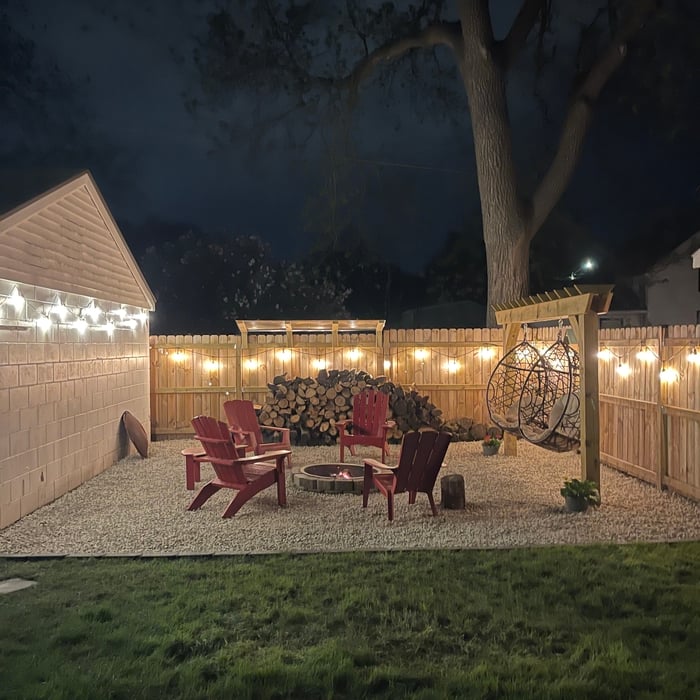





Top-rated fire pit installation pros.

Get matched with top fire pit installation pros in Hudson, IA

Enter your zip and get matched with up to 5 pros

Need a pro for your fire pit installation project in Hudson, IA?

Select your specific project to find the pro for you.

TRUSTED BY HUDSON, IA HOMEOWNERS

  • Average homeowner rating star icon4.6
    Average homeowner rating
  • Verified reviews icon51
    Verified fire pit installation services reviews

Find Fire pit installation pros in Hudson

No results for Fire pit installation pro in

Try adjusting your search criteria.
Fire Pit Installation questions, answered by experts

In addition to flashing, a roof cricket can help divert water around your chimney so that it drains properly off your roof. It’s shaped like a double triangle and is installed behind the chimney so that falling water spills evenly down each side. This helps prevent water from accumulating behind your chimney, which can increase water damage and the risk of leaks. 

The International Building Code (IBC) requires cricket installation if a chimney built after 2012 measures over 30 inches in width. Chimneys constructed before that date are typically grandfathered in and aren’t required to have crickets installed.

Safety concerns with propane boilers include proper venting to prevent carbon monoxide buildup, secure gas line connections, and regular inspection of safety controls. Professional boiler installation and annual maintenance are essential to minimize risks. Having a carbon monoxide detector installed in your home is essential for early detection of any leaks or ventilation issues.

Yes, you can close off a fireplace both temporarily and permanently with extremely wide price ranges. Temporary solutions involve fireplace plugs that can be inflated to block air and deflated to open the fireplace, covers, and boards. Permanent methods of shutting off fireplaces usually involve bricking up the fireplace or covering it with drywall. No matter the method, it’s probably best to hire a professional.

Although you can put a smoke detector on a shelf, the NFPA recommends mounting one on the ceiling or a wall (within 12 inches of the ceiling). If you place your smoke alarm on a shelf, ensure it’s away from drafty, damp, or dusty areas and not near cooking appliances, heat sources, or fluorescent lights.

No, but they both serve distinct life-saving purposes. Smoke detectors primarily sense the presence of smoke, typically caused by a fire, and emit loud alarms to alert occupants to evacuate. In contrast, carbon monoxide detectors monitor the levels of carbon monoxide gas, an odorless and colorless but deadly substance produced by incomplete combustion of fuels. When CO levels become dangerous, CO detectors sound alarms to warn inhabitants of potential poisoning risks. 

The Hudson, IA homeowners’ guide to fire pit installation services

From average costs to expert advice, get all the answers you need to get your job done.