

The cost of a tar and chip driveway falls between gravel and asphalt. Is this unique process the happy medium you've been looking for? Let's take a look.
 4.6
 473
*The Angi rating for Brush Chipping companies in Eldridge, IA is a rating based on verified reviews from our community of homeowners who have used these pros to meet their Brush Chipping needs.
*The HomeAdvisor rating for Brush Chipping companies in Eldridge, IA is a rating based on verified reviews from our community of homeowners who have used these pros to meet their Brush Chipping needs.
Last update on August 08, 2026
From average costs to expert advice, get all the answers you need to get your job done.
The cost of a tar and chip driveway falls between gravel and asphalt. Is this unique process the happy medium you've been looking for? Let's take a look.
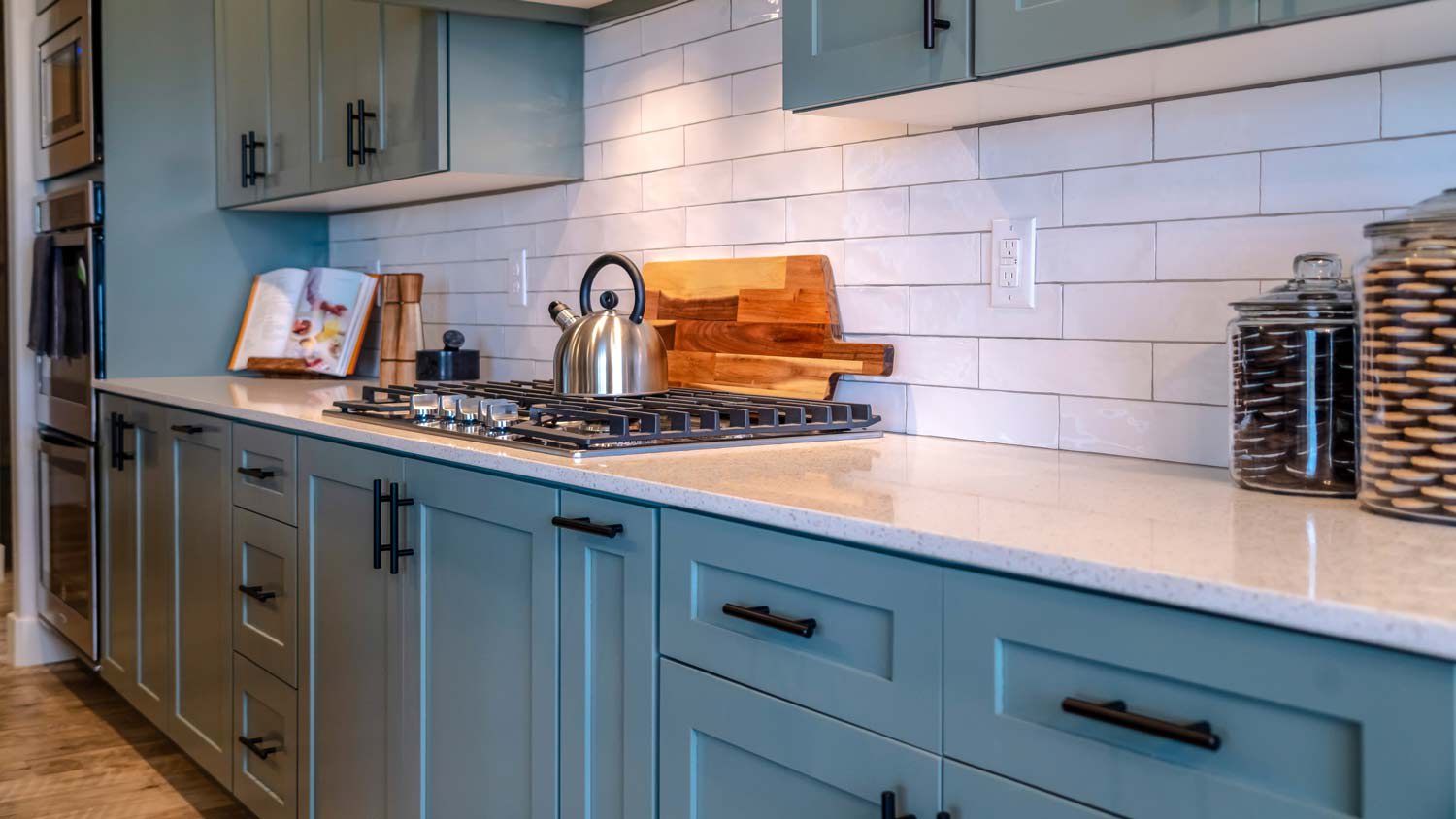
Discover the cost of glazing cabinets, including average prices, key cost factors, and tips to save on your cabinet glazing project.
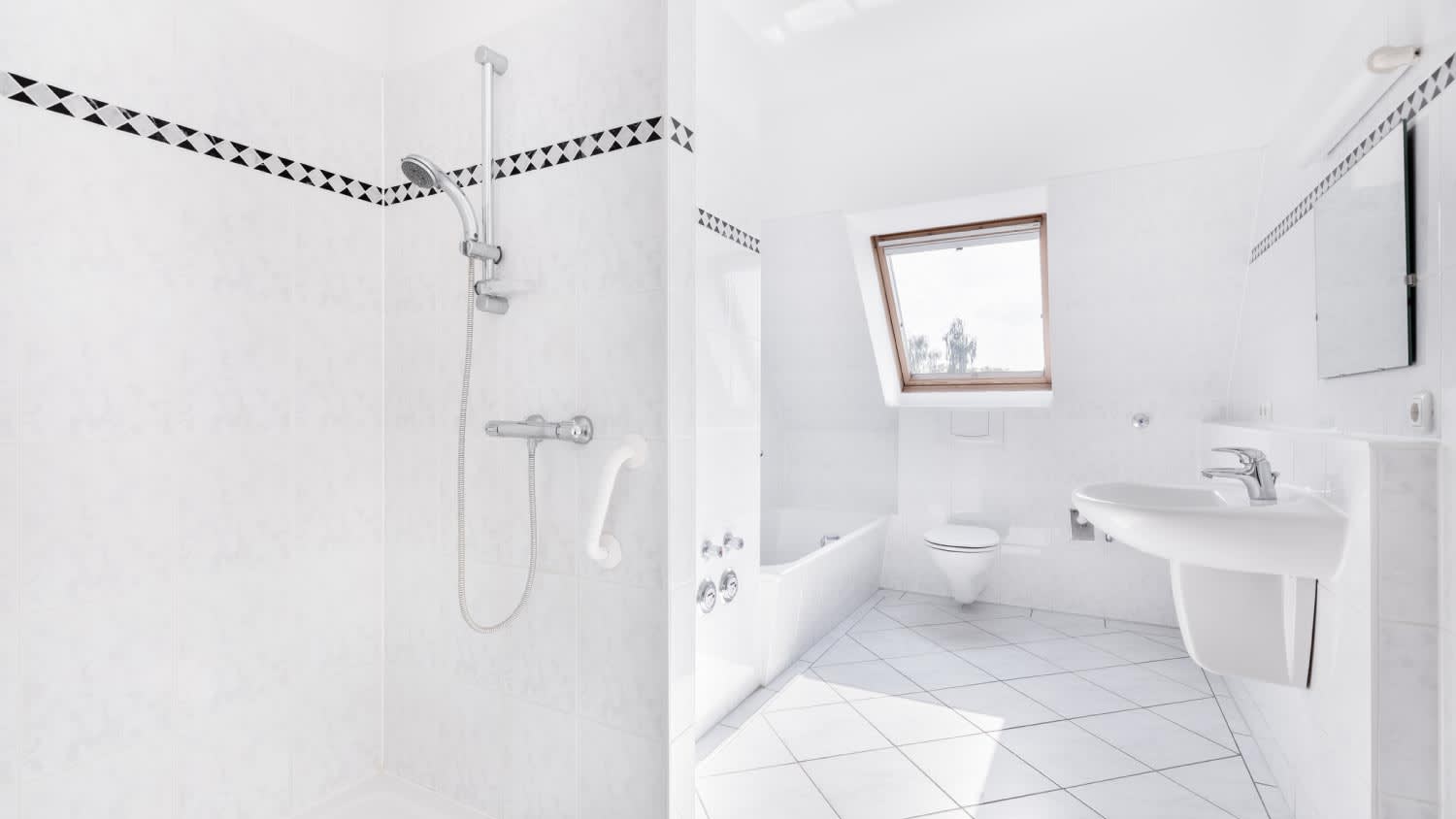
Does your toilet water rise and then slowly drain? Find out common reasons why this is happening and how to fix them to get your toilet up and running again.
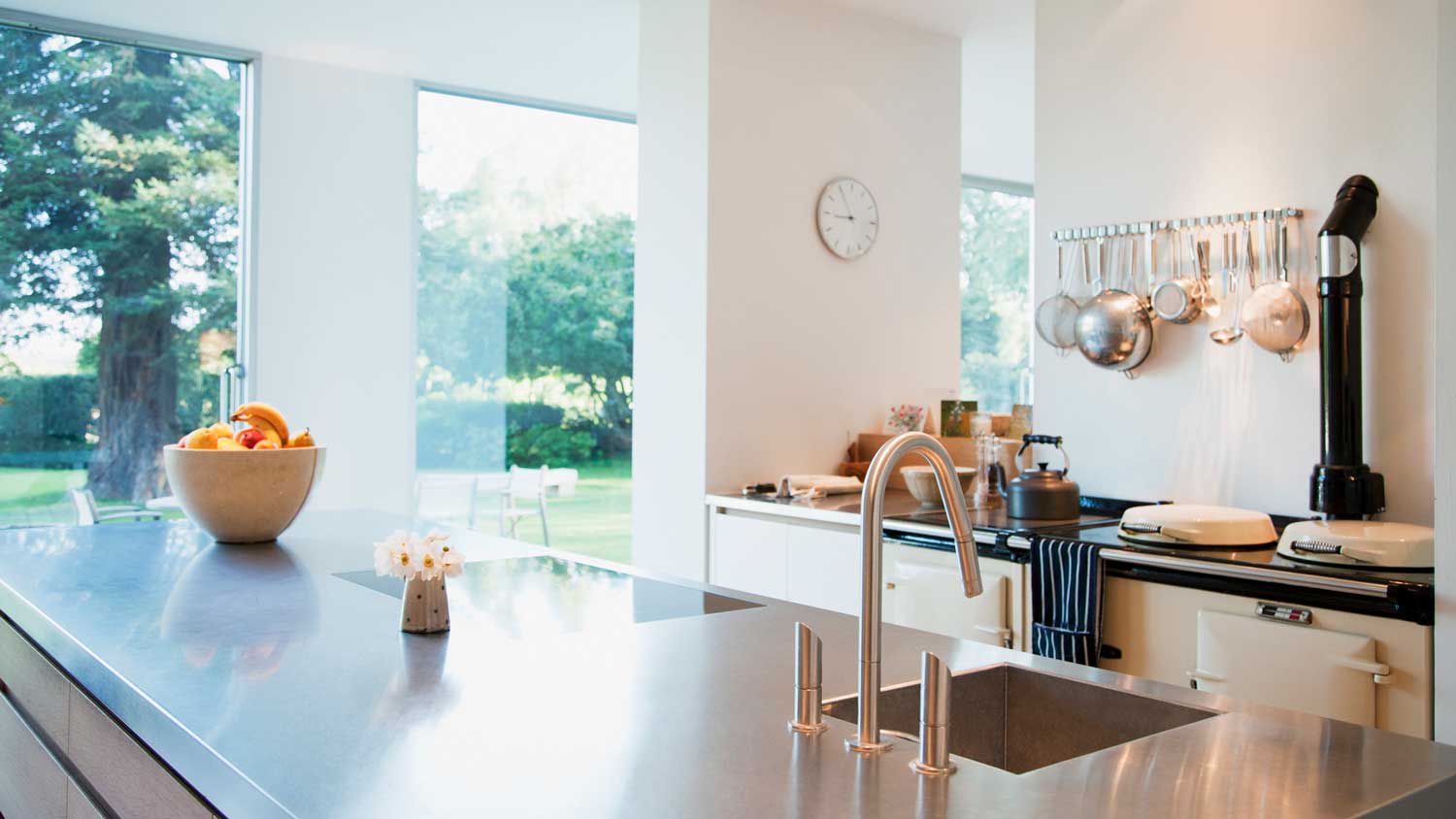
Revitalize your stainless steel with a fresh coat and color of paint. Find out how to paint stainless steel and create a new look for your appliances or countertops.
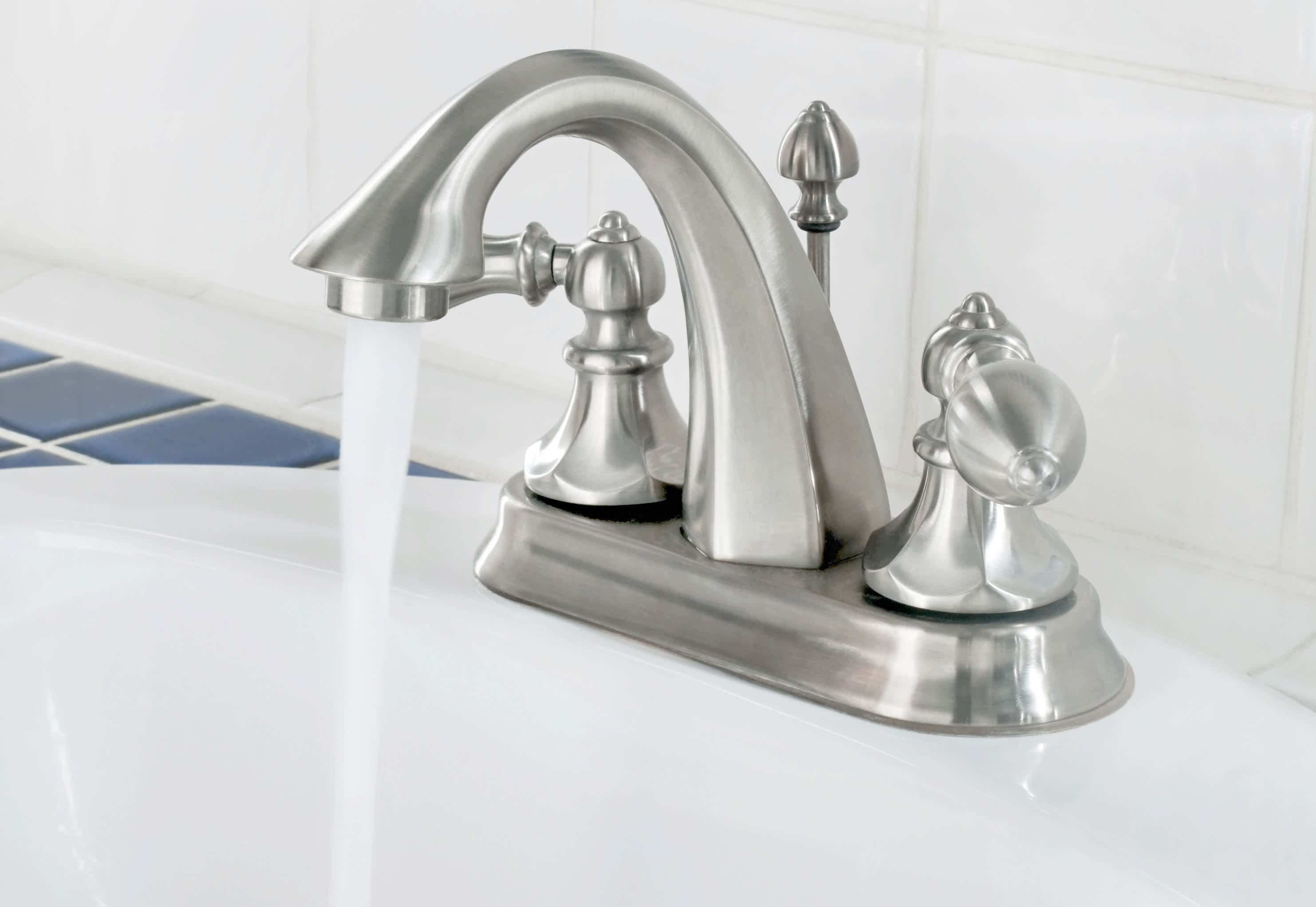
Compare satin nickel versus brushed nickel to find out which finish best fits your style, maintenance needs, and home design.
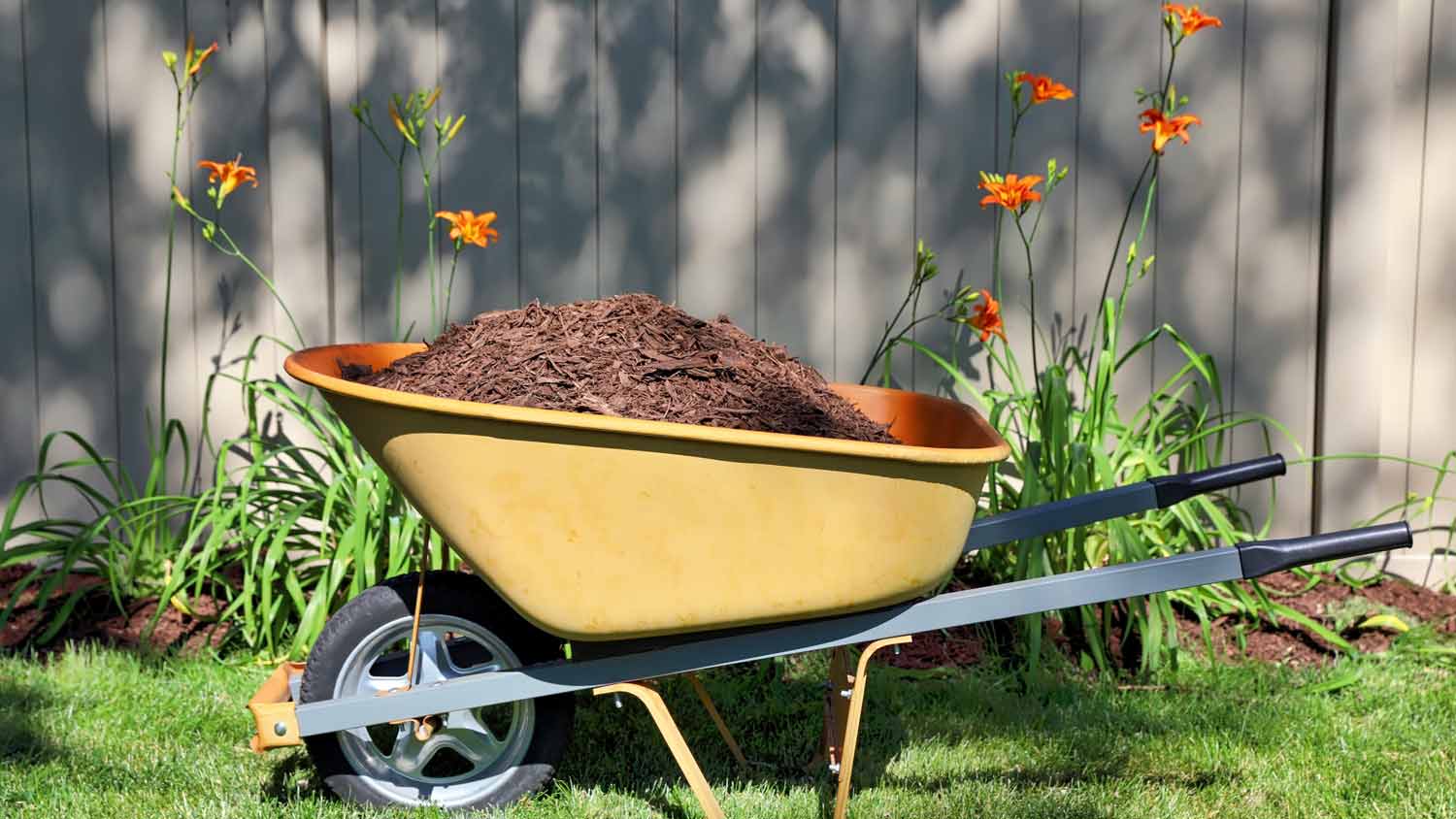
What’s the debate between wood chips vs. mulch? Wood chips are pieces or shredded wood from the interior of a tree trunk, while mulch can be made from a variety of materials.