






Top-rated ceiling fan pros.

Best ceiling fan pros near Dunlap, IA

Enter your zip and get matched with up to 5 pros

Need a pro for your ceiling fan service project in Dunlap, IA?

Select your specific project to find the pro for you.

Top-Rated Ceiling fan pros in Dunlap - Updated Nov 2026

Avatar for American Home Shield – Home Warranty
American Home Shield – Home Warranty
3.5(
5,689
)
Ceiling Fan - InstallCeiling Fan - Repair

Serving Dunlap, IA and surrounding areas

In business since 1971

Credit card accepted

"The furnace took 4 days to get approved( not counting a Sunday) the others were quick but the water heater had to be ordered so without hot water for a week. One ceiling fan was easy but within a year their policy changed and They would not install the one I purchased and had to get a new one approved and then ordered online and took several weeks to get straightened out. Not sure who was at fault, AHS, installer or scheduling with renter. Fee is usually $75 per visit"

Additional Photos
Additional Photos
Additional Photos
Additional Photos
Additional Photos

+2

Recommended by65%of homeowners

AURORA TECHNOLOGY INC
3.9(
10
)
Ceiling Fan - InstallCeiling Fan - Repair

Serving Dunlap, IA and surrounding areas

In business since 2004

Free estimates

Emergency services offered

With over 16 years of experience Aurora Technology designs, sells, installs and maintains all low-voltage systems in homes and business. Aurora Technology is known for giving homeowners control of ALL the systems in their homes in one finished product. Our expertise allows homeowners to choose how they want to live in their homes, condensing it all into one very cool, streamlined, interactive, thinking system. Call (402) 573-9626 for a free quote. Please let us know you found us on Angie's List

Recommended by71%of homeowners
Avatar for Harkless Construction LLC
Harkless Construction LLC
5.0(
3
)
Ceiling Fan - Install

Serving Dunlap, IA and surrounding areas

In business since 2023

Free estimates

Credit card accepted

"Eric is very friendly. He shows when he says he will. He replaced our existing deck and did a wonderful job. We would recommend him to anyone. He could have people call us for a recommendation."
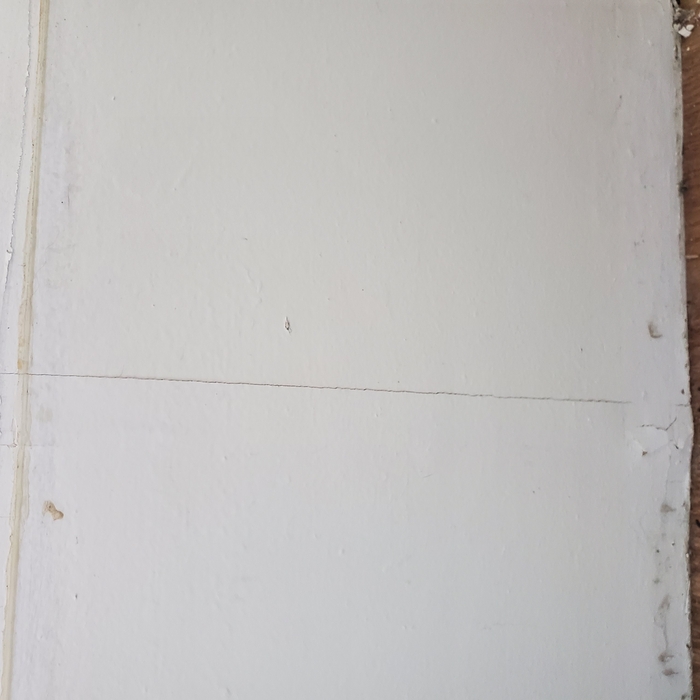
Dry wall crack repair
Wall Repair
Dry wall crack repair
Wall Repair

+2

Response time9 hrs
Recommended by100%of homeowners
Ceiling Fans FAQs, answered by experts

The direction your ceiling fan spins helps create comfortable airflow in your home and can also help cut down on energy costs. 

During summer, your ceiling fan should spin counterclockwise. This will push cooler air downward in a column and help lower your room’s air temperature. In the winter, set your ceiling fan to spin clockwise and at the lowest speed setting. This will pull cool air upwards, displacing the warm air that pools towards the top of your ceiling and bringing it down towards the floor.

In short, no. You can use the square footage range chart in this article to determine the right size ceiling fan for both indoor and outdoor spaces. However, weather elements can damage types of ceiling fans that aren't designed for outdoor use, so your ceiling fan should be weather-resistant if you plan to install it outside.

Generally, a ceiling fan should be mounted at least seven feet from the floor in the center of your room with a wall clearance of around 18 inches. If your ceiling is more than eight feet high, it’s recommended by experts that the ceiling fan be mounted around eight to nine feet from the ground. This helps ensure a better quality of circulated airflow.

Hiring an electrician to install a new ceiling fan may be the best course of action. Installing a ceiling fan requires basic electrical and mechanical knowledge. It also requires holding it up with one hand and in an awkward position, making the installation even more difficult. If you’re uncomfortable with these circumstances, your best bet is to hire a professional.

Identifying the source of noises is your first step to soundproofing a room without overspending. Generally, sound comes from inside or outside of the house. Inside noises include creaking floors, living noises like TVs in the living room, cooking sounds, or kids being kids. External noises generally include incremental weather, disturbing neighbors, and street traffic. Inside noises require you to soundproof floors, ceilings, and doors, whereas outside noises may require you to soundproof your attic, windows, and walls facing the streets.

The Dunlap, IA homeowners’ guide to ceiling fan services

From average costs to expert advice, get all the answers you need to get your job done.